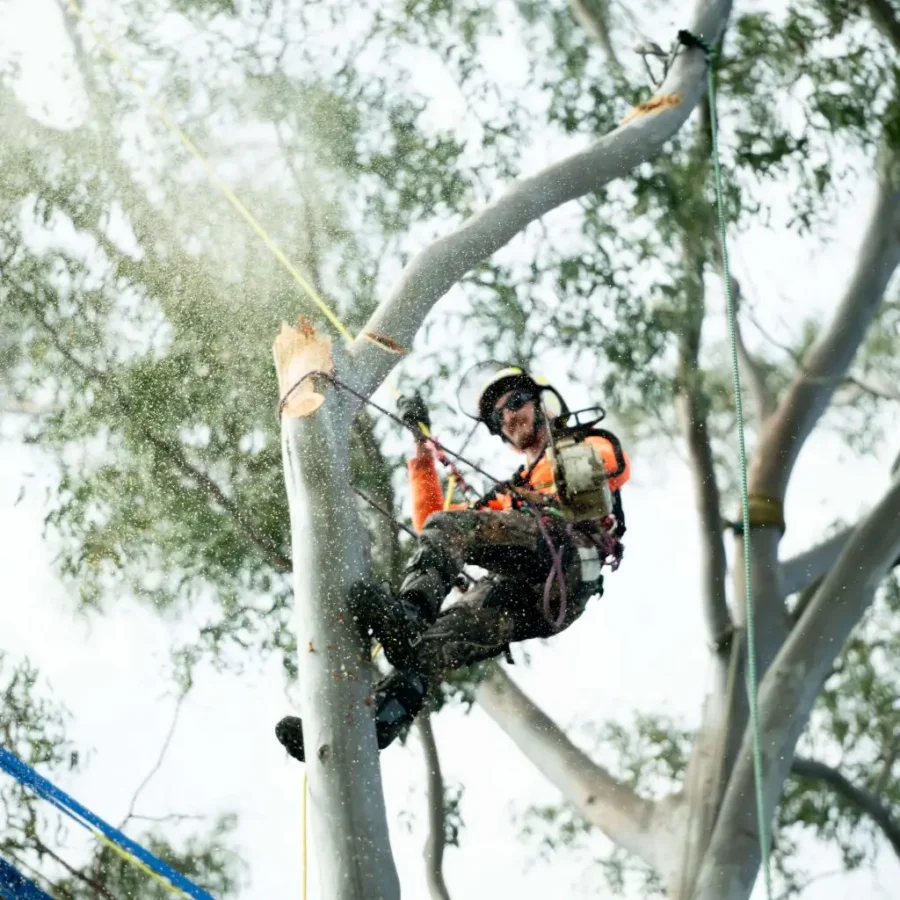
analog forestry

Author: John Parer Page 1 of 4

Tree Services

Questions Worth Asking Tree Services Near Me First

These questions suit common Australian jobs, from tight suburban blocks in Sydney and Melbourne to larger properties around Brisbane, Adelaide, Perth, Hobart, Canberra, and regional areas.

What exact tree work do they recommend, and why?

They should explain the problem in plain language and match the fix to the goal: safety, clearance, tree health, or compliance. When comparing tree services near me, homeowners should question any provider that jumps straight to removal without discussing pruning or risk-reduction options.

A good team will describe outcomes and trade-offs, such as canopy reduction versus selective pruning, and how each option affects the tree long term.

Are they qualified and trained for arboriculture in Australia?

They should be able to outline who is doing the work and what training they have. In Australia, many reputable operators employ qualified arborists or staff trained in safe chainsaw and climbing practices.

If someone searching tree services near me is offered a “cash job” with vague credentials, it can signal shortcuts. Credentials matter most for complex removals, large limbs over structures, or trees near powerlines.

Do they carry current public liability and workers compensation insurance?

They should confirm they hold public liability insurance and, where required, workers compensation cover. This is one of the fastest ways to separate professionals from risky operators.

If a limb damages a neighbour’s roof or a worker is injured, insurance can be the difference between a resolved claim and a costly legal mess. Anyone quoting tree services near me should provide evidence on request.

Will they do a proper site inspection before quoting?

They should inspect access, ground slope, proximity to homes, fences, sheds, pools, and garages, and any hazards such as termites or deadwood. Photos can help for a rough estimate, but a firm quote usually needs eyes on the job.

A proper inspection also confirms whether machinery can enter a backyard and whether manual rigging is required. That detail affects price, timing, and safety.

Is the quote itemised, and what exactly is included?

They should clarify whether the price includes climbing, rigging, traffic control, green waste removal, stump grinding, and a full clean-up. Vague quotes often become disputes later.

For people comparing tree services near me, an itemised quote makes comparisons fair. It also highlights optional extras, like mulching on-site or taking firewood away.

Who will be responsible for council permits and compliance?

They should ask where the tree is and what type it is, because many Australian councils regulate pruning and removals, especially for protected species or significant trees. Some areas also have rules for heritage overlays and vegetation protection.

A reliable provider will explain the client’s responsibilities and what they can help with, such as documentation or arborist reports. Anyone promising “no one checks” is not protecting the client.

How do they manage trees near powerlines and service cables?

They should identify overhead lines, NBN cables, and service drops early, then explain safe working distances. In Australia, vegetation near powerlines is a high-risk category and often requires coordination with the local distributor or specialist clearance crews.

If someone found via tree services near me seems casual about powerlines, the safest response is to pause the job. Powerline incidents can be fatal and can also disrupt the street.

What safety measures will they use on the day?

They should outline PPE, exclusion zones, rigging plans, spotters, and how they keep pedestrians and neighbours safe. On small suburban blocks, the most important safety feature is often the setup, not the saw.

They should also explain how they will protect property, such as using lowering ropes, mats for lawns, and controlled drop zones. Professional tree services near me should talk safety first, not last.

How will they protect nearby structures, gardens, and fences?

They should explain whether limbs will be lowered in sections, whether they will use rigging points, and how they will prevent swing damage into gutters, windows, pergolas, and pool fences. This is especially relevant in Australian suburbs with tight side access.

They should also clarify what happens to garden beds and irrigation. A careful plan reduces damage and reduces post-job costs.

What is their approach to pruning standards and tree health?

They should describe pruning that maintains structure and reduces risk, not pruning that simply “looks neat.” Poor cuts can lead to decay, sunburn on exposed limbs, and weak regrowth.

If they recommend topping, it is worth asking why, because topping is widely regarded as harmful for many species. People searching tree services near me should listen for terms like selective pruning, deadwood removal, clearance pruning, and structural pruning.

Can they identify the tree species and any likely issues?

They should be able to identify common Australian and ornamental species and flag likely problems, such as included bark, pest damage, fungal fruiting bodies, or storm cracks. Even if they are not doing a full arborist assessment, basic identification guides smarter decisions.
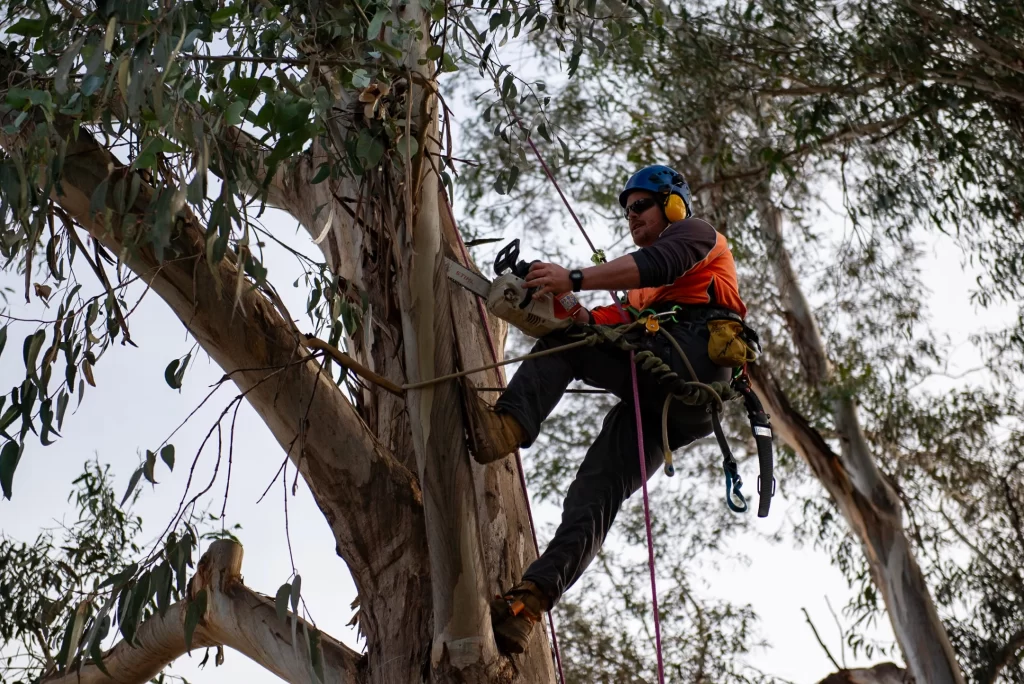
Tree Services

Species matters for drop behaviour, regrowth rates, and seasonality, so arborist qualifications Sydney professionals consider these factors when assessing whether a council permit is likely.

What equipment will they use, and is it suitable for the site?

They should explain whether they will use climbing gear, elevated work platforms, chippers, stump grinders, or cranes. The “best” equipment depends on access and risk.

For many tree services near me jobs, the difference between a smooth job and a messy one is whether the team brought the right chipper size or planned for tight access. If the backyard only fits a narrow machine, they should say so upfront.

How will they handle waste: removal, mulching, or leaving timber on-site?

They should clarify whether all green waste is removed, chipped and taken away, or chipped and left as mulch. They should also confirm if they will cut timber to manageable rounds if the owner wants to keep it for firewood, where that is appropriate.

A clear waste plan matters in Australian councils with green bin limits, tip fees, and rules around dumping. Comparing tree services near me is easier when waste is defined.

Do they grind stumps, and how deep will they go?

They should explain stump grinding depth and what happens to the grindings. Many clients assume stump removal is included, but it is often a separate line item.

They should also mention access limits, underground services, and whether they can backfill with soil. Anyone booking tree services near me should decide early if the goal is re-turfing, replanting, or simply reducing trip hazards.

What will the timeline look like, and how do they handle weather?

They should estimate duration, start windows, and whether the job needs multiple days. Australian weather can change quickly, and wind can make climbing and rigging unsafe.

They should describe how they reschedule for storms and what notice they provide. For urgent work after a cyclone, storm front, or summer thunderstorm, tree services near me should prioritise making the site safe first.

Can they provide recent local references or photos of similar jobs?

They should be able to show recent work in similar settings, like small inner-city yards, acreage, or coastal blocks with wind exposure. References help confirm reliability, clean-up standards, and communication.

If they cannot point to any comparable projects, it does not automatically mean they are poor. It does mean the client should ask more questions before choosing tree services near me.

What happens if there is hidden decay or the scope changes mid-job?

They should explain how they handle surprises such as hollow trunks, termite damage, unstable root plates, or inaccessible rigging points. The best approach is agreeing on how variations are quoted and approved.

Clear variation processes reduce conflict and keep budgets controlled. This is particularly important where a job near a house becomes more technical than expected.

Do they offer an arborist report if it is needed for disputes or approvals?

They should clarify whether they can provide a written arborist report or whether they work with a consulting arborist. Reports are often needed for council applications, insurance claims, or neighbour disputes about tree risk and overhang.

For owners searching tree services near me, this matters when a tree is borderline: not obviously dangerous, but still causing damage or concern.

How do they handle neighbour communication and boundary issues?

They should advise on access needs, boundary fences, and whether any limbs cross into neighbouring property. In Australia, neighbour relationships can complicate tree work even when the job is legal.

A professional team will encourage polite notice and clear expectations about noise, parking, and debris. It can prevent complaints and delays.

What aftercare do they recommend once the job is done?

They should explain whether the tree needs follow-up pruning, pest monitoring, or watering, especially after a heavy reduction. In many Australian climates, heat and drought stress can hit hard after canopy changes.

If the job involves removal, they might suggest suitable replacement planting for the location and soil. Thoughtful aftercare is a good sign they take the work seriously.

How should they be compared fairly before booking?

They should be compared on scope, safety, insurance, compliance awareness, and clean-up standards, not just price. The cheapest quote can become the most expensive if it causes property damage or council trouble.

When comparing tree services near me, the best choice is usually the team that explains the plan clearly, documents the scope, and treats safety as non-negotiable.

What is the simplest way to choose the right provider quickly?

They should be chosen by asking a short list of high-signal questions and looking for direct, confident answers. If they are transparent about permits, insurance, inclusions, and risks, it usually indicates a professional operation.
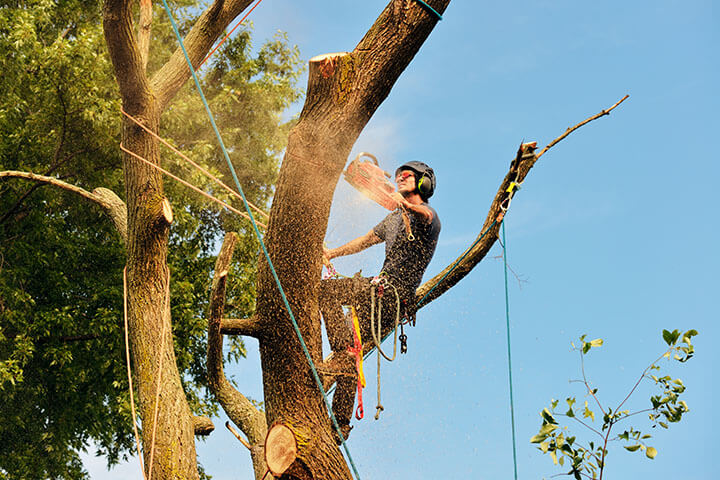
Tree Services

For most households, the right tree services near me will feel organised from the first call, and the quote will read like a plan rather than a guess.

FAQs (Frequently Asked Questions)

What specific tree services should I expect when searching for ‘tree services near me’ in Australia?

When searching for ‘tree services near me’ in Australia, you should expect a professional team to recommend specific work tailored to your needs, such as pruning for safety, clearance, tree health, or compliance. They should explain the problem clearly and discuss options like canopy reduction versus selective pruning, ensuring the solution aligns with your goals and the long-term health of the tree.

How can I verify if a tree service provider is qualified and insured in Australia?

A reputable Australian tree service provider will employ qualified arborists or trained staff familiar with safe chainsaw and climbing practices. They should readily provide evidence of current public liability and workers compensation insurance upon request. Avoid ‘cash jobs’ with vague credentials, especially for complex removals or work near powerlines, as these can signal unsafe shortcuts.

Why is a proper site inspection important before receiving a quote for tree services?

A proper site inspection allows the tree service team to assess access points, ground slope, proximity to structures like homes and pools, and any hazards such as termites or deadwood. This ensures an accurate, itemised quote and helps determine if machinery can enter the site or if manual rigging is necessary—factors that influence price, timing, and safety.

What should be included in an itemised quote from a tree service company?

An itemised quote should clearly state whether costs cover climbing, rigging, traffic control, green waste removal, stump grinding, and full clean-up. It should also highlight optional extras like on-site mulching or firewood removal. Transparent quotes help avoid disputes later and make it easier to compare different ‘tree services near me’ providers fairly.

How do professional tree services manage safety around powerlines and nearby structures?

Professionals identify overhead powerlines, NBN cables, and service drops early in the process and explain safe working distances. In Australia, working near powerlines often requires coordination with local distributors or specialist crews due to high risks. They also use PPE, exclusion zones, rigging plans, spotters, and property protection methods like lowering ropes and mats to ensure safety during the job.

What role do council permits play in Australian tree services?

Many Australian councils regulate pruning and removals—especially for protected species or significant trees—through permits. A reliable provider will clarify your responsibilities regarding permits and compliance and assist with documentation or arborist reports if needed. Beware of anyone promising ‘no one checks,’ as this can expose you to legal risks.

<script type="application/ld+json">
{
  "@context": "https://schema.org",
  "@type": "BlogPosting",
  "mainEntityOfPage": {
    "@type": "WebPage",
    "@id": "https://analogforestrynetwork.org/questions-worth-asking-tree-services-near-me-first/"
  },
  "headline": "Questions Worth Asking Tree Services Near Me First",
  "image": [
    "https://analogforestrynetwork.org/wp-content/uploads/2026/08/1_Hero-5-1024x684-1.webp",
    "https://analogforestrynetwork.org/wp-content/uploads/2026/08/Ashgrove-Tree-Services-22-1024x1024-1.webp",
    "https://analogforestrynetwork.org/wp-content/uploads/2026/08/tree-removal-service.jpg"
  ],  
  "author": {
    "@type": "",
    "name": "John Parer",
    "url": "https://analogforestrynetwork.org/author/admin/"
  },  
  "publisher": {
    "@type": "Organization",
    "name": "Analog Forestry Network",
    "logo": {
      "@type": "ImageObject",
      "url": "https://analogforestrynetwork.org/wp-content/uploads/2024/10/logo-Analog-Forestry-Network.png"
    }
  },
  "datePublished": ""
}
</script>
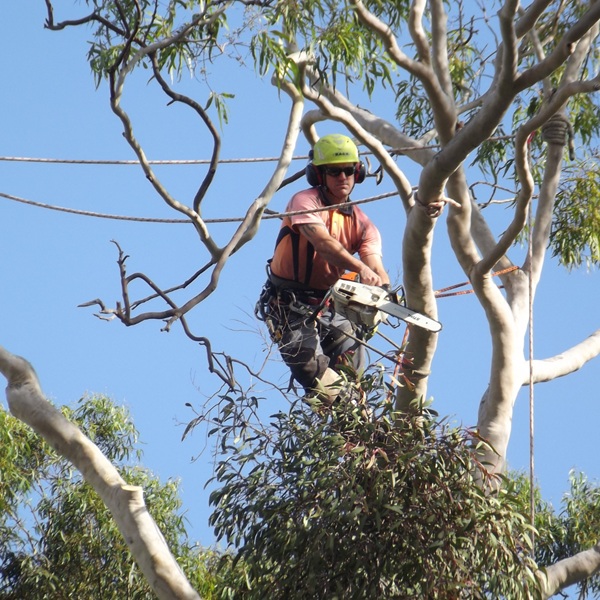
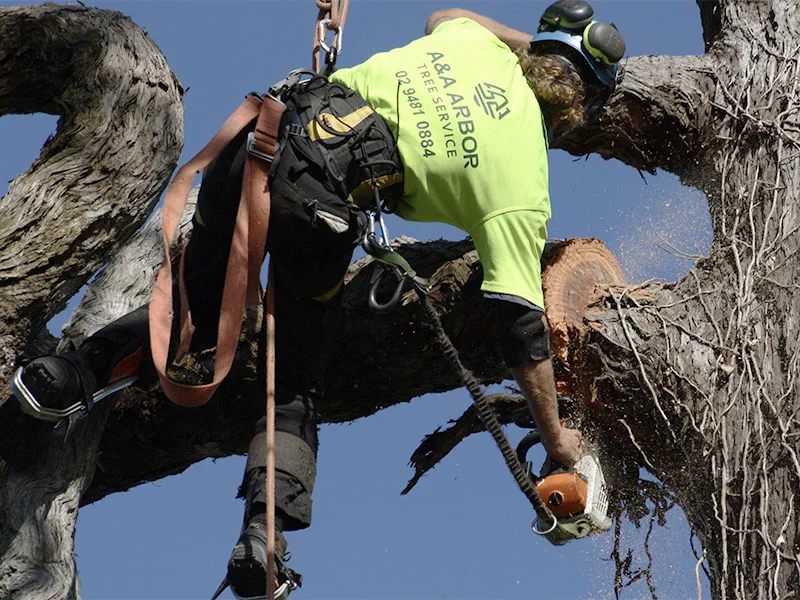
Arborists in Sydney

How Are Arborists in Sydney Trained and Certified?

This guide explains how arborists in Sydney typically learn the job, what credentials matter, and what to check before booking them.

What does an arborist in Sydney actually do?

They manage tree health, safety, and structure across backyards, streetscapes, and worksites. In practice, arborists in Sydney diagnose tree decline, recommend pruning, remove hazardous trees, and help owners meet local council requirements.

They also plan works around powerlines, buildings, and tight access. That’s why training focuses as much on risk and compliance as it does on tree biology.

How do arborists in Sydney usually start their training?

Most start as ground crew and train while working under supervision. Many arborists in Sydney begin with basic chainsaw handling, ropes, chipping, and site safety before moving into climbing, rigging, and tree assessment.

A structured pathway then builds formal qualifications, supervised logbook hours, and competency-based assessments. The aim is to prove skills, not just time on the tools.

Which Australian qualifications are most common for arborists in Sydney?

The most common formal pathway is a nationally recognised qualification in arboriculture. Many arborists in Sydney hold a Certificate II or Certificate III in Arboriculture, which covers pruning, removals, climbing, pests and disease basics, and worksite safety.

Some progress to higher study focused on tree assessment, project planning, and consulting. Qualifications matter because they map directly to units of competency assessed against Australian standards.

Where do arborists in Sydney complete their qualifications?

They typically train through Australian Registered Training Organisations (RTOs) and TAFEs that deliver arboriculture units. For arborists in Sydney, this usually means a mix of classroom learning and practical assessments on real trees and real job sites.

Training often includes plant biology, soil and water basics, pruning theory, hazard identification, and rescue procedures. Assessment is hands-on, with evidence required for each competency.

What safety tickets and licences are commonly required?

They often need multiple high-risk and safety-related tickets depending on the work they take on. Many arborists in Sydney hold a White Card (construction induction) and may also need first aid certification for crew requirements.

If they operate elevated work platforms, they may hold EWP training or a high-risk work licence where applicable. Chainsaw operation units and traffic management training are also common on roadside or public-facing jobs.

How do arborists in Sydney learn climbing, rigging, and rescue?

They learn through competency-based training plus supervised practice in the field. For arborists in Sydney, climbing and rigging training covers rope systems, anchor selection, load management, and controlled lowering to avoid property damage.

Rescue training is a major part of this process. Teams practise aerial rescue and emergency response because mistakes at height can be catastrophic, especially in tight suburban sites with fences, roofs, and power service lines nearby.

What standards guide how arborists in Sydney prune and remove trees?

They commonly work to Australian Standards and industry guidance used across New South Wales. Many arborists in Sydney follow accepted pruning principles that prioritise tree health, structural integrity, and risk reduction rather than aggressive cutting.

On quality jobs, their work reflects clear targets like reducing end-weight, removing defects, improving clearance, or managing storm damage. When someone sees “lopping” offered as a default, that can be a red flag because it often conflicts with best practice.

How do arborists in Sydney get certified for tree risk assessment?

Some move into formal tree risk assessment and reporting after gaining experience and additional training. Arborists in Sydney who provide reports for development applications, insurance matters, or high-risk trees often complete extra study in tree biomechanics, defect identification, and risk methodology.

They may also build capability in mapping, documentation, and evidence-based recommendations. Good risk assessment is about defensible decisions, not just opinions, especially when councils or insurers are involved.

Are there professional memberships or industry certifications that matter?

Yes, membership in recognised industry bodies can signal ongoing professional standards. Many arborists in Sydney join organisations such as Arboriculture Australia (AA) or the International Society of Arboriculture (ISA), depending on their career path.

Arborists in Sydney

Membership does not automatically equal skill, but it often indicates exposure to continuing education, professional networks, and updated guidance. For consulting or complex jobs, these affiliations can be a useful extra credibility check.

How do councils and local rules affect arborists in Sydney?

They often need to work within council rules covering protected trees, pruning limits, and permit requirements. Arborists in Sydney regularly deal with Tree Preservation Orders, heritage controls, and development conditions that vary by local government area.

A capable arborist explains what can be done legally before they quote, and they document the scope clearly. If they promise to “handle council” without describing the permit pathway, it is worth asking follow-up questions.

What role does insurance play in certification and professionalism?

Insurance is not a training credential, but it is a practical requirement for safe, legitimate work. Reputable arborists in Sydney usually carry public liability insurance, and many also have workers compensation where they employ staff.

Insurance helps protect the client if branches damage property or a worker is injured. If they avoid discussing insurance, or they cannot provide a current certificate of currency, that is a major risk sign.

How can someone verify the training of arborists in Sydney before hiring?

They can ask for specific proof and judge how clearly it is explained. When checking arborists in Sydney, it helps to request:

  • Their arboriculture qualification level (and where it was obtained)
  • Evidence of relevant tickets (chainsaw units, first aid, EWP, traffic control if needed)
  • Proof of public liability insurance
  • A written quote describing the pruning standard, cut targets, and debris removal
  • Recent local references for similar sites in Sydney suburbs

If they are credible, they answer directly and provide documents without hesitation.

What does ongoing training look like for arborists in Sydney?

They keep learning because pests, diseases, standards, and equipment change over time. Many arborists in Sydney do refreshers in aerial rescue, new rigging methods, and updated safety procedures, especially after incidents or near misses in the industry.

Some also attend workshops on tree biology, soil improvement, and advanced pruning. The best operators treat training as a normal cost of doing safe business, not a one-time hurdle.

What should clients expect from well-trained arborists in Sydney on the day?

They should expect a documented plan, clear safety controls, and tidy execution. Competent arborists in Sydney arrive with the right PPE, set up exclusion zones, communicate with neighbours when needed, and use rigging to protect structures.

They also explain what they are doing and why, especially if they adjust the plan after inspecting the tree up close. The job should end with clean cuts, controlled lowering, and a site left safe and neat.

How can someone tell the difference between a certified arborist and a “tree cutter”?

They can look for diagnosis, standards-based recommendations, and defensible decision-making. Skilled arborists in Sydney talk about tree structure, targets, risk, and long-term outcomes rather than offering aggressive cutting as the default.

They also provide a scope that matches the tree’s needs, not a one-size-fits-all approach. When they recommend removal, they explain the specific defect or risk driver, and they outline options where appropriate.

What is the simplest checklist to hire arborists in Sydney with confidence?

They can focus on verification and clarity rather than marketing claims. A simple approach is to hire arborists in Sydney who can show qualifications, current insurance, and a written scope aligned with Australian best practice.

Arborists in Sydney

If they communicate well, document everything, and prioritise safety, that is usually a strong signal their training and certification are real, current, and used properly on the job.

FAQs (Frequently Asked Questions)

What services do arborists in Sydney provide?

Arborists in Sydney manage tree health, safety, and structure across backyards, streetscapes, and worksites. They diagnose tree decline, recommend pruning, remove hazardous trees, assist with local council requirements, and plan work around powerlines and buildings to ensure compliance and safety.

How do arborists in Sydney typically receive their training and qualifications?

Most arborists in Sydney start as ground crew, training under supervision with hands-on experience in chainsaw handling, ropes, chipping, and site safety. They progress through climbing, rigging, and tree assessment while completing nationally recognised qualifications such as Certificate II or III in Arboriculture via Registered Training Organisations (RTOs) or TAFEs.

What certifications and safety tickets are essential for arborists working in Sydney?

Arborists in Sydney commonly hold a White Card (construction induction), first aid certification, chainsaw operation units, traffic management training for roadside jobs, and may also require elevated work platform (EWP) training or high-risk work licences depending on their tasks to ensure workplace safety.

Which Australian standards guide the pruning and removal practices of arborists in Sydney?

Arborists in Sydney adhere to Australian Standards and industry guidelines that emphasize tree health, structural integrity, and risk reduction. Quality pruning targets include reducing end-weight, removing defects, improving clearance, and managing storm damage while avoiding harmful practices like indiscriminate lopping.

How do arborists in Sydney become certified for tree risk assessment?

Experienced arborists seeking certification for tree risk assessment undertake additional training in tree biomechanics, defect identification, risk methodologies, mapping, documentation, and evidence-based recommendations. This enables them to provide defensible reports for development applications and insurance matters.

What role do professional memberships play for arborists in Sydney?

Memberships with organisations such as Arboriculture Australia (AA) or the International Society of Arboriculture (ISA) indicate ongoing professional development. While not a direct measure of skill, these affiliations demonstrate commitment to continuing education, adherence to industry standards, and access to updated guidance beneficial for consulting or complex jobs.

<script type="application/ld+json">
{
  "@context": "https://schema.org",
  "@type": "BlogPosting",
  "mainEntityOfPage": {
    "@type": "WebPage",
    "@id": "https://analogforestrynetwork.org/how-are-arborists-in-sydney-trained-and-certified/"
  },
  "headline": "How Are Arborists in Sydney Trained and Certified?",
  "image": [
    "https://analogforestrynetwork.org/wp-content/uploads/2026/08/Aura-Trees-Services-9.webp",
    "https://analogforestrynetwork.org/wp-content/uploads/2026/08/AA-Arbor-Tree-Service-arborists.webp",
    "https://analogforestrynetwork.org/wp-content/uploads/2026/08/Tree-Management.jpg"
  ],  
  "author": {
    "@type": "",
    "name": "John Parer",
    "url": "https://analogforestrynetwork.org/author/admin/"
  },  
  "publisher": {
    "@type": "Organization",
    "name": "Analog Forestry Network",
    "logo": {
      "@type": "ImageObject",
      "url": "https://analogforestrynetwork.org/wp-content/uploads/2024/10/logo-Analog-Forestry-Network.png"
    }
  },
  "datePublished": ""
}
</script>
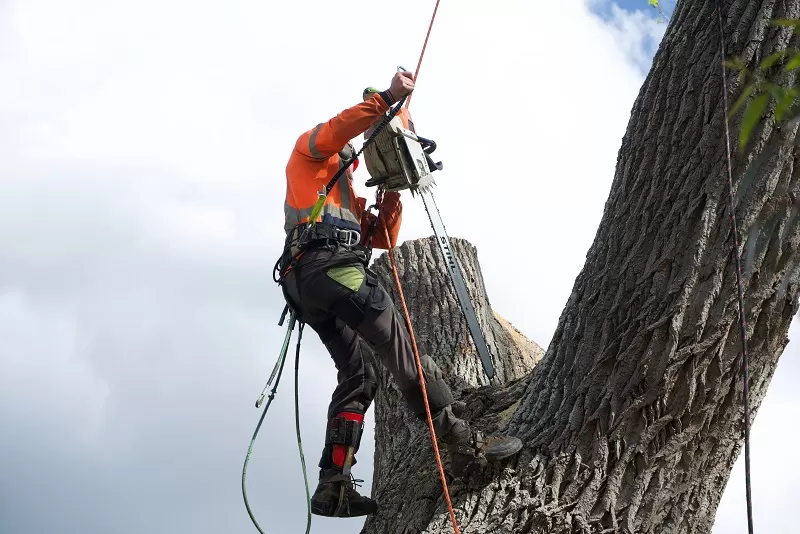
tree looping

Tree Lopping Services Vs Pruning: What’s The Difference

In simple terms, pruning is targeted, standards-based tree care. Lopping is the heavy removal of large branches or the top of a tree, often done to reduce size quickly.

What is tree pruning?

Tree pruning is the selective removal of specific branches to improve structure, health, clearance, and safety. They cut with a clear reason and a clear endpoint, such as removing deadwood, reducing weight on a limb, or improving branch spacing. For a deeper understanding of proper pruning methods and professional care, you can explore https://treesdownunder.com.au/tree-pruning.

.

Good pruning focuses on correct cuts, minimal stress to the tree, and long-term outcomes. It is typically the first-choice method for maintaining most residential and commercial trees.

What is tree lopping?

Tree lopping usually means cutting large branches back to stubs, or removing major sections to reduce height and spread fast. They might also lop a tree to clear a view, stop shading, or create short-term clearance away from buildings and power lines.

Because it is severe, lopping can trigger rapid regrowth, weaken branch attachments, and increase the risk of decay. In many cases, it is a reactive approach rather than a planned one.

How do the goals of lopping and pruning differ?

Pruning aims to guide the tree, not fight it. They prune to reduce hazards, support healthy growth, and keep the canopy balanced while preserving the tree’s natural shape.

Lopping aims to shrink the tree quickly. They lop to cut bulk in one visit, often when a tree has outgrown the space or when the client wants an immediate change, even if it creates problems later.

How does each method affect tree health?

Pruning, when done correctly, supports tree health by removing dead, diseased, or crossing branches and improving airflow and light penetration. It also reduces the likelihood of limb failure by managing weight and structure.

Lopping can harm tree health because large wounds are harder to seal and can invite decay. The regrowth that follows is often dense and weakly attached, which can create future breakage points. Check out more about Hazardous Trees.

Which one is safer in the long run?

Pruning is usually safer long term because it reduces risk while keeping the tree structurally sound. It can manage hazards progressively, which avoids shocking the tree and prevents creating weak regrowth.

Lopping can create a cycle of repeat cutting. A lopped tree may produce fast, upright shoots that snap in wind, meaning the tree can become more dangerous unless it is re-lopped.

When might a tree need lopping rather than pruning?

Lopping can be appropriate in limited situations, but it is rarely the ideal first option. One might consider it where urgent clearance is needed and there is no time for staged works, or where the tree is already in poor condition and planned removal is likely.

Even then, many professionals will recommend alternatives such as crown reduction to pruning standards, staged reduction over time, or full removal if the tree is unsuitable for the site.

What does “crown reduction” mean, and how is it different from lopping?

Crown reduction is a form of pruning that reduces height and spread while keeping a natural canopy shape. It reduces to suitable growth points and keeps cuts proportionate, which helps the tree respond more predictably.

Tree Lopping

Lopping removes to stubs or arbitrary points, which often leaves the tree unbalanced and stressed. If the goal is to “make it smaller”, crown reduction is usually the professional pruning-based approach.

Can lopping or pruning be illegal or restricted?

Yes. Trees may be protected by Tree Preservation Orders (TPOs) or be within a Conservation Area, and permissions can be required before they do any significant work. Even pruning can be restricted if it materially affects the tree’s appearance or health.

They should always check with the local council before booking works, and a reputable contractor will ask about protections early.

How can they tell if a contractor is proposing lopping or proper pruning?

The language they use is a clue. If they propose “topping”, “lopping”, or “cutting it right back” without explaining specific targets and outcomes, it can be a red flag.

A pruning-focused contractor will describe the method, such as deadwood removal, crown thinning, crown lifting, or crown reduction, and will explain why those cuts are being made and what the tree will look like afterwards.

Which service is more cost-effective?

Pruning can cost more upfront if it is skilled, targeted, and staged, but it often saves money over time by reducing failures and avoiding repeated drastic cuts. It also tends to preserve the tree’s value and appearance.

Lopping can look cheaper because it is fast, but it may lead to more frequent follow-up work, a higher risk of storm damage, and in some cases a shortened tree lifespan that ends in removal.

What should they ask for before approving any tree work?

They should ask for a written scope that names the pruning specification, the intended result, and how waste will be handled. They should also ask whether the contractor works to British Standards for tree work and whether they hold suitable insurance.

If the tree is close to roads, neighbours, or power lines, they should ask how access, traffic management, and safety will be managed.

So, which should they choose: lopping services or pruning?

For most trees, pruning is the right choice because it improves safety and health without creating avoidable long-term problems. If the tree has outgrown the space, a standards-based crown reduction is usually a better option than lopping. For a detailed guide on choosing safe and reliable providers, see what to look for when hiring tree cutting services near you.

Lopping should be treated as an exception, not the default. If a contractor recommends lopping, they should ask what alternatives exist and what the long-term plan is for managing regrowth and risk.

Tree pruning

FAQs (Frequently Asked Questions)

What is the difference between tree pruning and tree lopping?

Tree pruning is a targeted, standards-based approach focusing on selective branch removal to improve a tree’s health, structure, and safety. Tree lopping involves heavy removal of large branches or the tree’s top to quickly reduce size, often causing stress and potential harm to the tree.

How does pruning benefit tree health compared to lopping?

Pruning supports tree health by removing dead or diseased branches, improving airflow and light penetration, and managing structural weight. Lopping can harm trees by creating large wounds prone to decay and encouraging weak regrowth that increases future breakage risks.

When is tree lopping considered appropriate over pruning?

Lopping may be appropriate in urgent situations requiring immediate clearance or when a tree is in poor condition with planned removal likely. However, it’s rarely the first choice; professionals often recommend crown reduction or staged pruning as better alternatives.

What is crown reduction and how does it differ from lopping?

Crown reduction is a form of pruning that reduces a tree’s height and spread while maintaining its natural shape through proportionate cuts at suitable growth points. In contrast, lopping cuts back to stubs or arbitrary points, often leaving the tree unbalanced and stressed.

Can tree lopping or pruning be restricted or illegal?

Yes. Trees protected by Tree Preservation Orders (TPOs) or located within Conservation Areas may require permission before significant work. Even pruning can be restricted if it materially affects the tree’s appearance or health. It’s essential to check with local councils before proceeding.

How can I ensure my contractor uses proper pruning techniques instead of lopping?

A reputable pruning contractor will explain specific methods like deadwood removal, crown thinning, lifting, or reduction with clear reasons and expected outcomes. Beware of contractors using terms like “topping” or “cutting back” without detailed explanations, as these may indicate lopping.

tree services sydney

Arborist Sydney: Expert Tree Care Services for Healthy and Safe Landscapes

Below is a practical guide to what an Arborist Sydney team typically does, when to call them, and how to choose the right provider.

What does an arborist in Sydney actually do?

A Sydney arborist assesses, maintains, and manages trees with safety, health, and risk in mind. They typically provide pruning, removals, planting advice, pest and disease support, and reports for council or development needs.

Good arborists do not just “cut trees.” They diagnose structural issues, reduce hazards, and help trees live longer in difficult urban conditions.

When should they call an arborist instead of a gardener?

They should call an arborist when there is any safety risk, significant pruning need, or uncertainty about tree health. Gardeners can handle general garden maintenance, but tree work often involves working at height, rigging, and understanding how cuts affect long-term structure.

If branches hang over roofs, power lines, driveways, or neighbour fences, an arborist is the safer and usually the legally cleaner choice.

Which tree care services are most common in Sydney?

Most Arborist Sydney providers focus on a handful of high-demand services. These are the jobs property owners request most often because they directly affect safety, insurance risk, and curb appeal.

Common services include pruning, tree removal, stump grinding, hedge reductions, and emergency storm response.

How does tree pruning improve safety and tree health?

Pruning improves safety by reducing deadwood, weak unions, and overextended limbs that can fail in wind. It improves tree health by removing diseased material, improving airflow, and guiding structure as the tree grows.

Quality pruning is selective and purpose-led. Over-pruning, topping, or aggressive lopping can trigger decay, stress growth, and future failures.

When is tree removal the right option?

Removal is usually the last resort, but it is sometimes the correct one. They may need removal when a tree is dead, structurally unsound, severely diseased, or causing proven damage to assets and cannot be reasonably mitigated.

A professional team will typically confirm whether pruning, bracing, or monitoring could work first, especially if the tree is protected by council controls.

Do they need council approval to remove or prune a tree in Sydney?

Often, yes, depending on the council area, species, and trunk size. Many local councils have Tree Preservation Orders or similar rules, and fines can apply for illegal removal or excessive pruning.

Arborists can help by identifying likely exemptions, measuring the tree correctly, and preparing arborist reports that councils or certifiers accept.

What is an arborist report and when is it needed?

An arborist report is a written assessment covering tree health, structure, risk, and recommendations. They often need one for development applications, construction near trees, disputes about alleged damage, or to support approval for removal.

A strong report includes clear photos, measurements, risk reasoning, and practical options, not just a vague recommendation.

How do they handle emergency tree work after storms?

Emergency response typically focuses on making the site safe first. That may mean removing hanging branches, clearing accessways, or stabilising split limbs using controlled rigging.

Sydney storms can create hidden hazards, so reputable arborists also check for cracked unions, uprooting, and canopy imbalance that might not be obvious from the ground.

How can they tell if a tree is becoming dangerous?

They should watch for sudden lean, soil heaving, major cracks in the trunk, large dead branches, fungal fruiting bodies, and dieback across the canopy. Repeated branch drops in calm weather can also signal internal decay or structural failure.

If any of these signs appear, they should treat it as time-sensitive and get an assessment rather than waiting for the next wind event.

Other Resources : The epidemiology of injuries related to falling trees and tree branches

What should they look for when choosing an Arborist Sydney provider?

They should prioritise qualifications, insurance, and a safety-first approach. A good provider explains what they will do, why it helps, and what it will cost, without pushing unnecessary removals.

They should also look for clear quoting, site-specific risk controls, and evidence of recent similar work in tight Sydney access conditions.

Which questions should they ask before accepting a quote?

They should ask who will be on-site, what standards the pruning will follow, and whether waste removal is included. They should also confirm whether traffic control, neighbour access, or council permissions are part of the scope.

Useful questions include: How will they protect fences and gardens? Will they use rigging to avoid dropping limbs? Can they provide proof of insurance on request?

tree removal services North Shore

How do they keep trees healthy in Sydney’s climate long term?

Long-term health usually comes from correct pruning, adequate mulch, good watering during establishment, and avoiding root damage from construction. Many Sydney trees struggle because soil is compacted, roots are cut for renovations, or irrigation is inconsistent.

Arborists can recommend species that suit the site, spacing that avoids future conflicts, and simple care routines that reduce failures as trees mature. For a deeper look into professional methods, read about tree pruning practices in Sydney that help create stronger and safer trees.

What is the simplest next step if they need help?

They should book an on-site assessment with a qualified Arborist Sydney team and ask for a written scope of works. That keeps expectations clear, supports compliance where approvals apply, and helps them compare quotes fairly.

Tree care is easier and cheaper when they act early, before a minor defect becomes a major hazard.

FAQs (Frequently Asked Questions)

What services does an Arborist Sydney team typically provide?

An Arborist Sydney team typically assesses, maintains, and manages trees with safety, health, and risk in mind. Their services include pruning, tree removals, planting advice, pest and disease support, and preparing reports for council or development needs.

When should I call an arborist instead of a gardener for tree care in Sydney?

You should call an arborist when there is any safety risk, significant pruning need, or uncertainty about tree health. Arborists handle complex tree work involving height, rigging, and structural knowledge—especially if branches overhang roofs, power lines, driveways, or neighbour fences—making them the safer and legally compliant choice over gardeners.

Do I need council approval to remove or prune a tree in Sydney?

Often yes. Council approval depends on your local council area, the species of the tree, and trunk size. Many councils have Tree Preservation Orders or similar rules. Illegal removal or excessive pruning can result in fines. Qualified arborists can help identify exemptions, measure trees correctly, and prepare arborist reports accepted by councils.

How does professional tree pruning improve safety and tree health?

Professional pruning reduces hazards by removing deadwood, weak unions, and overextended limbs that might fail in wind. It also enhances tree health by eliminating diseased material, improving airflow within the canopy, and guiding healthy structural growth. Quality pruning is selective and purpose-led to avoid stress or decay caused by over-pruning or topping.

What signs indicate a tree might be dangerous and require assessment?

Signs include sudden lean, soil heaving around roots, major trunk cracks, large dead branches, fungal fruiting bodies on the trunk or roots, dieback across the canopy, and repeated branch drops during calm weather. These symptoms suggest internal decay or structural failure and should prompt timely professional assessment to prevent hazards.

How do I choose the right Arborist Sydney provider for my property?

Choose providers with proper qualifications, insurance coverage, and a safety-first approach. A good arborist explains their methods clearly without pushing unnecessary removals. Look for clear quotes that include site-specific risk controls and evidence of experience handling similar jobs in tight Sydney access conditions.

tree cutting services

Tree Cutting Services Near Me: What To Look For Before Hiring

The best approach is to treat it like any high-stakes trade. Check credentials, ask the right questions, and get the details in writing before anyone starts a saw.

What type of tree work do they actually need?

They should be clear about the scope when arranging tree cutting services, whether the job involves felling, crown reduction, thinning, lifting, deadwood removal, stump grinding, or emergency storm work. These are not interchangeable, and the wrong approach can damage the tree, create hazards, or lead to repeated call-outs.

If they are unsure, a reputable service will inspect the tree and explain the options, including whether pruning is safer than removal.

Are they properly insured for tree cutting?

They should carry public liability insurance, and ideally employers’ liability if they have staff. Tree work is high-risk, and insurance is what protects the homeowner if a branch hits a roof, a fence, a car, or a passer-by.

They should be willing to show proof of cover and confirm the policy is current. If they avoid the question, it is a strong reason to walk away.

Do they have the right qualifications and training?

They should be trained for chainsaw use, climbing, rigging, and aerial rescue where relevant. Tree work involves working at height with cutting equipment, so competence matters more here than in many other trades.

They should also understand proper pruning standards, not just removal. A team that only knows how to cut hard and fast can leave trees unstable or prone to disease.

Are they checking for Tree Preservation Orders and conservation rules?

They should ask whether the tree is protected by a Tree Preservation Order (TPO) or located in a conservation area. In the UK, cutting, lopping, topping, uprooting, or wilfully damaging protected trees can lead to serious penalties.

A reliable contractor will discuss permissions and may help with the application process, but they should never suggest “just doing it” without checks.

Will they provide a written quote with a clear scope?

They should supply a written quote that states exactly what is included. This should cover the specific works, access requirements, the number of trees, whether stump removal is included, and what happens to waste.

It should also state whether VAT is included, the expected start date, and payment terms. Vague quotes often lead to disputes when the final bill appears. You may like to visit https://www.planningportal.nsw.gov.au/development-and-assessment/planning-approval-pathways/complying-development/tree-removal-and-protection to learn more about tree removal and protection.

tree cutting services

What equipment and safety controls will they use?

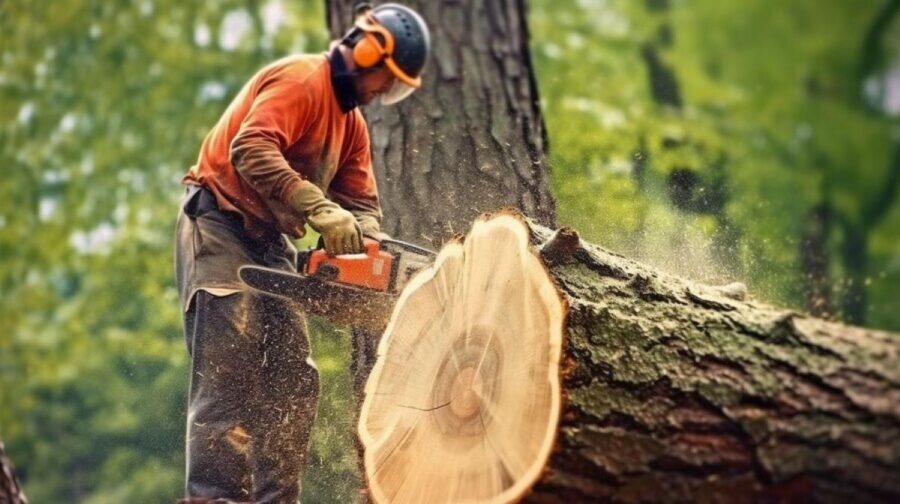
They should explain how they will control the drop zone, protect nearby structures, and manage the public if the work is near a road or footpath. For larger removals, they may use rigging systems to lower sections safely rather than letting them fall.

They should arrive with proper PPE, signage, and a plan for safe access. If they seem casual about safety, the risk usually lands on the homeowner’s property.

How will they protect fences, sheds, lawns, and driveways?

They should discuss how they will avoid damage from falling timber, dragging logs, or heavy kit. Ground protection mats, controlled lowering, and planned routes for moving waste are common signs of a careful team.

They should also flag issues like limited access, fragile surfaces, or underground services. A good contractor raises these early, not after something cracks.

Do they include waste removal and cleanup?

They should confirm whether they will remove logs, brash, and woodchip, and whether they will leave the site swept and tidy. Some quotes include removal, while others offer to leave logs for firewood or chip for garden use.

They should specify exactly what will remain, if anything. If the quote is silent on waste, it is worth assuming the homeowner may be left with a pile to manage. To better understand the distinction between different types of tree work, you can read more about the differences between tree lopping services and pruning and when each approach is appropriate.

What is their approach to neighbour and boundary issues?

They should ask about overhang, shared boundaries, and access, especially if they need to enter a neighbour’s land. Even when a tree sits in one garden, branches and roots often affect others.

They should also be comfortable recommending neighbour-friendly solutions, such as staged reductions. Rushed work near boundaries is a common source of complaints.

Can they show recent local work and genuine reviews?

They should be able to show photos of similar jobs and provide references if asked. Reviews are useful, but the best proof is consistent local work with clear before-and-after examples.

They should also have a business presence that matches their name, phone number, and location. If they frequently change names or only communicate via messaging apps, that can be a warning sign.

Do they offer a sensible timeline and avoid pressure tactics?

They should explain availability, how long the job will take, and what weather conditions might delay it. Tree work is often rescheduled for safety, so honest timelines matter.

They should not pressure anyone into same-day decisions, especially after an “inspection” that suddenly reveals urgent danger. Genuine hazards exist, but reputable teams still explain the reasoning calmly.

What red flags should they watch for before hiring?

They should be cautious if the contractor will not provide proof of insurance, avoids written quotes, or cannot describe the method they plan to use. They should also avoid anyone offering to “top” trees as a default solution, as it can be harmful and is often a sign of poor practice.

Another red flag is demanding full payment upfront. A deposit can be normal for larger jobs, but terms should be clear and proportionate.

What should they ask before booking the job?

They should ask a few direct questions and expect direct answers. Useful questions include: What exactly will be cut and why? Is permission required? Is waste removal included? Will the stump be removed? Who is responsible for damage if something goes wrong? How will they keep the site safe?

A reliable contractor welcomes these questions because it shows the homeowner is taking safety seriously.

How can they get the best value without cutting corners?

They should compare like-for-like quotes, not just the lowest price. The best value usually comes from clear scope, proper insurance, trained staff, and tidy completion, even if the upfront number is higher.

If budget is tight, they can ask whether the work can be phased, or whether a reduction solves the issue instead of full removal. The goal is a safe outcome that does not create bigger costs later.

Tree Cutting

FAQs (Frequently Asked Questions)

What types of tree cutting services should I consider for my specific tree work needs?

It’s important to identify the exact type of tree work required, such as felling, crown reduction, thinning, lifting, deadwood removal, stump grinding, or emergency storm work. Each task is distinct and requires a tailored approach to avoid damaging the tree or creating hazards. A reputable service will inspect your tree and explain whether pruning is safer than removal.

How can I verify if a tree cutting service is properly insured?

Ensure the contractor carries public liability insurance and, ideally, employers’ liability if they have staff. This insurance protects you from liabilities if damage occurs to property or injury happens during the work. Always ask for proof of current insurance cover and be wary of contractors who avoid this question.

Why are qualifications and training important when hiring a tree cutting team?

Tree work involves high-risk activities like chainsaw use, climbing, rigging, and aerial rescue. Qualified and trained professionals understand proper pruning standards and safety protocols, reducing risks of unstable trees or disease. Hiring untrained workers can lead to unsafe practices and poor outcomes.

Do I need permission before cutting down a protected tree?

Yes. If your tree is covered by a Tree Preservation Order (TPO) or located in a conservation area in the UK, you must obtain permission before any cutting, lopping, topping, uprooting or wilful damage. A reliable contractor will check these regulations with you and assist in the application process rather than proceeding without consent.

What should a comprehensive written quote from a tree cutting service include?

A detailed written quote should specify the exact works included (such as number of trees and whether stump removal is part of the job), access requirements, waste disposal plans, VAT inclusion, expected start date, and payment terms. Clear quotes help prevent disputes over costs or scope later on.

How do professional tree cutters ensure safety and protect my property during work?

They implement safety controls like controlling drop zones, protecting nearby structures with ground protection mats or controlled lowering techniques, managing public access near roads or footpaths with signage and PPE (personal protective equipment). They also plan safe access routes for equipment and waste removal to avoid damage to fences, lawns or driveways.

tree pruning tools

Tree Pruning Sydney: Best Practices for Stronger, Safer Trees

Tree pruning is not just “cutting branches.” Done well, it strengthens form, reduces failure risk, improves light and airflow, and keeps trees clear of roofs, powerlines, and walkways. Done poorly, it can trigger decay, weak regrowth, and long-term instability.

What does proper tree pruning in Sydney actually achieve?

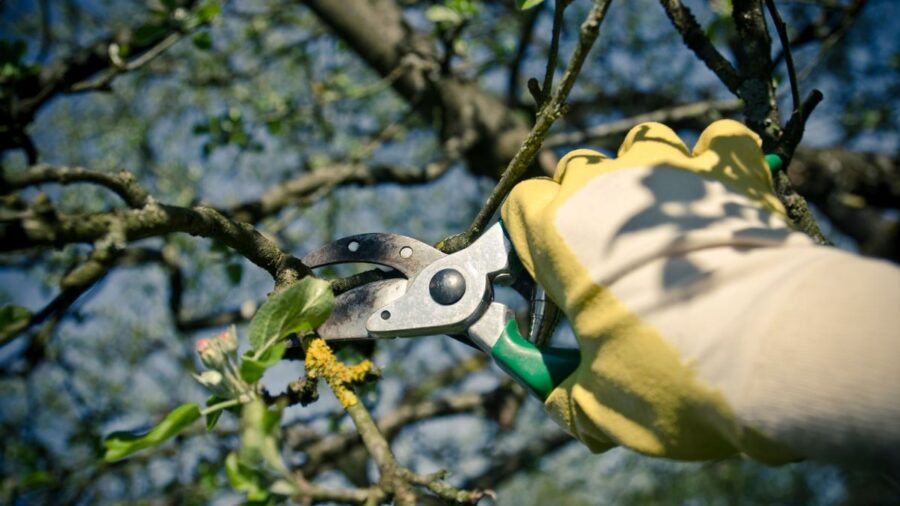
Proper pruning with the right tree pruning tools reduces risk while keeping the tree healthy. It removes dead, damaged, diseased, or poorly attached branches and guides growth into a safer structure.

Using tree pruning tools also improves clearance and visibility around driveways, paths, signs, and buildings. In many cases, it prevents costly future work by correcting problems early, when cuts are smaller and easier for the tree to seal.

When is the best time to prune trees in Sydney?

The best time depends on the species and the goal, but most routine pruning is safest when trees are not under extreme stress. They generally respond best when cuts are planned, minimal, and timed to avoid heatwaves and major growth flushes.

Storm season preparation often happens before periods of high wind and heavy rain. If there are dead or hanging limbs, timing becomes immediate, because safety overrides ideal seasons.

How can they tell if a tree needs pruning right now?

They should look for clear risk and health signals. Deadwood in the canopy, cracked limbs, rubbing branches, and heavy overhang above targets like roofs or play areas are common warning signs.

Other cues include branches pulling away from the trunk, fungal growth at joints, sudden leaning after wet weather, and dense canopies blocking light and airflow. If a limb could hit something important if it fell, it is usually time to act.

Which pruning cuts are considered best practice?

Best practice focuses on small, purposeful cuts that respect the tree’s natural structure. That usually means removing deadwood, thinning selectively, reducing weight on long limbs, and improving branch spacing.

Cuts should be made just outside the branch collar, not flush to the trunk and not leaving long stubs. That helps the tree seal the wound faster and reduces the chance of decay moving into the main stem.

Why is topping a tree a bad idea?

Topping creates large wounds and forces the tree to respond with fast, weakly attached shoots. Those shoots often break later, especially in wind, which increases risk rather than reducing it.

It also removes too much leaf area, starving the tree and stressing its energy reserves. In Sydney’s conditions, topped trees commonly develop decay, sunburned limbs, and ongoing maintenance problems that cost more over time.

How much can be safely removed without harming the tree?

A common rule is to avoid removing more than about 20 to 30 percent of the canopy in one session, and less is often better. Smaller cuts are easier for a tree to compartmentalise and recover from.

If they want a major size change, staged pruning over multiple visits is usually safer. That approach reduces shock and helps the tree maintain stability while it adapts.

What are the most important safety considerations in Sydney suburbs?

Targets matter. Branches over homes, carports, fences, footpaths, and neighbouring yards raise the stakes, especially before storms. They should treat any cracked or hanging limb as urgent.

Clearance near powerlines is a major concern. Work near electrical infrastructure should only be handled by appropriately qualified professionals, because the risks and compliance requirements are serious. Check out more about Updates to land clearing rules.

How should they prune young trees for long-term strength?

Young-tree pruning is about training structure early. They should aim for a clear central leader where appropriate, strong branch unions, and good spacing between scaffold limbs.

Removing competing leaders, crossing branches, and narrow-angled attachments early prevents bigger cuts later. The best outcome is a tree that grows into a stable shape without needing aggressive pruning in adulthood.

How do they handle large limbs without causing bark tearing?

Large limbs should be removed with controlled, multi-step cutting. A common method is the three-cut technique: an undercut, a top cut to drop the limb, then a final cut near the collar.

This prevents the limb’s weight from ripping bark down the trunk. Clean, planned cuts reduce wounding and improve the tree’s ability to seal the area. For more information, explore professional arborist services in Sydney and expert tree care for healthy, safe landscapes.

When should they call an arborist instead of pruning themselves?

They should call an arborist when work involves heights, heavy limbs, chainsaws, unstable trees, or any branch that could hit a person or property. If the tree shows signs of decay, cracks, root issues, or sudden lean, expert assessment is safer.

They should also get help when pruning might affect neighbours, council rules, or protected trees. A qualified arborist can prune to standards, manage risk, and document the work if approvals are needed.

tree pruning tools

What should they ask before hiring a tree pruning service in Sydney?

They should ask what pruning standard the team follows, what the pruning goals are, and how much canopy they plan to remove. A good provider explains cuts in plain terms and avoids vague promises like “lopping it back hard.”

They should also ask for proof of insurance, who will be on-site, how debris is handled, and whether a written scope will be provided. Clear communication up front usually predicts cleaner, safer outcomes.

What are simple aftercare steps once pruning is done?

Trees typically do not need wound paint, and it can sometimes trap moisture and slow natural sealing. The best aftercare is reducing stress: consistent watering during dry spells, mulching correctly, and avoiding root damage.

They should keep mulch off the trunk, maintain a wide mulch ring where possible, and watch for dieback or excessive epicormic shoots. If the tree responds with lots of weak regrowth, the pruning may have been too heavy.

FAQs (Frequently Asked Questions)

What benefits does proper tree pruning provide for trees in Sydney?

Proper tree pruning in Sydney strengthens tree form, reduces the risk of branch failure, improves light and airflow, and keeps trees clear of roofs, powerlines, and walkways. It also removes dead, damaged, diseased, or poorly attached branches and guides growth into a safer structure, promoting long-term health and safety.

When is the best time to prune trees in Sydney for optimal health?

The best time to prune trees in Sydney depends on the species and pruning goals but generally involves planning cuts when trees are not under extreme stress. Routine pruning is safest outside heatwaves and major growth flushes. Storm preparation pruning is done before periods of high wind and heavy rain. Immediate pruning is necessary if there are dead or hanging limbs to ensure safety.

How can I tell if a tree in Sydney needs immediate pruning?

Signs that a tree needs immediate pruning include deadwood in the canopy, cracked limbs, rubbing branches, heavy overhang above roofs or play areas, branches pulling away from the trunk, fungal growth at joints, sudden leaning after wet weather, and dense canopies blocking light and airflow. Any limb that could fall on something important should be pruned promptly.

What are the best practices for making pruning cuts on Sydney trees?

Best practice pruning cuts involve small, purposeful cuts made just outside the branch collar without leaving long stubs or cutting flush to the trunk. This includes removing deadwood, thinning selectively, reducing weight on long limbs, and improving branch spacing. Proper cuts help the tree seal wounds faster and reduce decay risks.

Why is topping a tree considered harmful in Sydney’s urban environment?

Topping creates large wounds that force the tree to produce fast-growing but weakly attached shoots prone to breaking during wind events. It removes too much leaf area causing stress and energy depletion. In Sydney’s conditions, topped trees often develop decay, sunburned limbs, and ongoing maintenance problems that increase costs over time.

When should I call a professional arborist for tree pruning in Sydney?

You should call an arborist when work involves heights, heavy limbs, chainsaws, unstable trees, or branches that could hit people or property. Also seek expert help if the tree shows signs of decay, cracks, root issues, or sudden leaning. Professional arborists handle compliance near powerlines or protected trees and ensure safe pruning with proper documentation.

green waste removal

Ultimate Guide to Green Waste Disposal in Australia: Rules & Services for 2026

Effective green waste management is no longer just about keeping your garden tidy; it is a critical component of Australia’s transition toward a circular economy. With the 2026 waste disposal regulations now in effect across major Australian cities, homeowners and businesses must navigate a more complex landscape of council mandates, biosecurity protocols, and sustainability targets.

Whether you are dealing with seasonal pruning, a complete landscape overhaul, or storm debris, understanding how to dispose of organic matter efficiently can save you from hefty council fines and significantly reduce your environmental footprint.

See more: How to Order Flowers in Castlecrag for Any Occasion


1. Top 7 Green Waste Disposal Rules in Australia You Need to Know for 2026

As of early 2026, the Environmental Protection Authority (EPA) and local councils have tightened restrictions on what can enter the organic waste stream. To ensure your garden waste is accepted for processing, adhere to these seven core rules:

  1. Strict “No Bag” Policy: Plastic bags, including many labeled “biodegradable,” are now strictly prohibited in green bins and verge collections. Use only Australian Standard (AS4736) certified compostable liners if necessary, though loose disposal is preferred.
  2. The 1.5-Metre Length Limit: Most municipal on-demand services and verge collections (like those in Perth and Sydney) now enforce a maximum branch length of 1.5 metres to fit processing machinery.
  3. Diameter Restrictions: Branches exceeding 300mm in diameter are typically classified as “heavy timber” and are excluded from standard green waste collections.
  4. Zero Soil Contamination: While it comes from the ground, soil is treated as a “heavy” inert material. Mixing soil, rocks, or turf with your green waste can lead to a rejected collection.
  5. Biosecurity Compliance: In regions like the Gold Coast and parts of Queensland, moving green waste across biosecurity zones (to prevent the spread of Fire Ants or Electric Ants) requires specific movement advice or treatment.
  6. No Treated Timber: Fencing, decking, and painted wood contain chemicals (like CCA) that contaminate the composting process. These must be disposed of via hard waste, not green waste.
  7. Weight Limits per Pile: For kerbside pickups, individual piles must generally not exceed 3 cubic metres or a weight that two people can safely lift.

2. On-Demand Garden Rubbish Pickup: How to Book

The shift from “scheduled” to “on-demand” services has transformed how Australians manage garden waste. This model reduces “verge litter” and allows residents to time their disposal with their gardening schedule.

Step-by-Step Booking Process

  1. Check Your Allocation: Most councils (e.g., City of Whittlesea or Brisbane) provide 1–3 free on-demand pickups per financial year. Check your local council portal to see your remaining balance.
  2. Verify Accepted Species: Ensure your pile doesn’t contain noxious weeds (like Blackberry or Lantana), which may require specialized “deep burial” disposal rather than standard composting.
  3. Lodge Your Request: Use the council’s online waste portal or a service like Verge Valet®. You will typically receive a “Place Out” notification via SMS or email.
  4. The 48-Hour Rule: To maintain street aesthetics and prevent illegal dumping, do not place your waste on the verge more than 48 hours before your confirmed collection date.

3. Verge Collection vs. Private Green Waste Removal: Which is Faster?

Choosing between a council-funded verge collection and a private rubbish removal service depends on your volume, budget, and urgency.

FeatureCouncil Verge CollectionPrivate Green Waste Service
CostUsually free (covered by rates)Paid (varies by volume)
Speed1–4 week wait timeSame-day or next-day service
LaborYou must move waste to the kerb“Muck-to-Truck” (they load it)
FlexibilityStrict limits on pile sizeUnlimited (scaled to your needs)
ProcessingStandard municipal compostingHigh-grade mulch or bio-fuel

Why Private Services Often Win on Efficiency

While council services are cost-effective, they are often booked out weeks in advance—especially after major storms or during spring. A private green waste disposal specialist can often arrive within 24 hours, perform the heavy lifting for you, and ensure that larger items (like thick stumps) are handled correctly.


4. The Environmental Impact: Why Proper Disposal Matters

When organic waste is sent to a landfill, it decomposes anaerobically (without oxygen), producing methane ($CH_{4}$). This greenhouse gas is roughly 25 times more potent than carbon dioxide at trapping heat in the atmosphere.

By using dedicated green waste streams, your garden clippings are instead processed into:

  • High-grade Compost: Returned to farms to improve soil health.
  • Mulch: Used in public parks to conserve water.
  • Bio-energy: In advanced facilities, the gases captured from organic processing are used to generate electricity.
green waste removal

5. Best Practices for Garden Waste Preparation

To ensure a seamless collection and maximum recyclability, follow these expert tips:

  • Bundle and Tie: Use natural twine (not plastic wire) to bundle branches. This makes it easier for collectors to handle and prevents the pile from spreading in the wind.
  • Crate the Small Stuff: Use old cardboard boxes for loose leaves and grass clippings. These boxes are biodegradable and can be tossed directly into the mulcher.
  • Avoid “Over-Squashing”: If you use a green-lidded bin (FOGO), don’t pack the waste so tightly that it gets stuck. The “gravity-drop” mechanism of the truck needs the waste to be loose.

6. Common Mistakes to Avoid

  • The “Fruit Tree” Error: Many residents assume fallen fruit belongs in the green bin. While true in FOGO (Food Organics and Garden Organics) areas, some “garden only” services reject fruit due to the risk of attracting vermin at the facility.
  • Hidden Contaminants: Garden hoses, plastic pots, and pebbles are the most common contaminants found in Australian green waste streams. These can damage industrial shredders and ruin an entire batch of compost.

7. Frequently Asked Questions (FAQ)

Q: Can I put palm fronds in my green waste bin?

A: This varies by council. Some allow them if they are cut into smaller pieces, while others (like some Queensland councils) exclude them because their fibrous nature can tangle processing machinery.

Q: What is FOGO and how does it change my disposal?

A: FOGO stands for Food Organics and Garden Organics. If your area has moved to FOGO, you can include food scraps (meat, dairy, vegetables) in your green bin alongside your garden waste.

Q: Is bamboo considered green waste?

A: Generally, yes, but it must be cut to length. Due to its hardness, some smaller mulching facilities may have restrictions on volume.

Q: What happens if my green waste pile is rejected?

A: The collector will usually leave a “non-compliance” tag explaining why. You will need to remove the offending items or resize the pile before re-booking.

Q: Can I dispose of lawn clippings if I’ve used pesticides?

A: Most commercial composting processes reach temperatures high enough to break down common household herbicides, but you should always check with your local provider if you have used “restricted use” chemicals.


Conclusion: Mastering Your Green Waste in 2026

Optimizing your green waste disposal is a blend of following local regulations and choosing the right service for the job. By sticking to the 1.5-metre rule, avoiding contamination, and utilizing on-demand services effectively, you contribute to a cleaner, greener Australia.

Internal Linking Suggestions:

  • Learn more about hard rubbish vs. organic waste differences.
  • Check out our guide on professional site cleanups for larger renovations.

Authoritative References:

  • Australian Department of Climate Change, Energy, the Environment and Water (DCCEEW)
  • National Waste Report 2025/2026
green waste removal

The 10/50 Vegetation Clearing Rule: Is Your Sydney Home in the Eligibility Zone?

Living on the fringes of the Hornsby Shire, Sutherland Shire, or the Blue Mountains offers unparalleled natural beauty, but it also comes with the inherent risk of bushfires. To help homeowners protect their properties, the NSW Rural Fire Service (RFS) implemented the 10/50 Vegetation Clearing Rule. This scheme allows residents in high-risk zones to clear specific vegetation around their homes without the usual long-winded council approvals.

However, the rules are precise. Clearing the wrong tree or miscalculating your distance could result in significant fines or irreversible environmental damage. This guide breaks down exactly how to determine if your Sydney home is in the eligibility zone and how to use the 10/50 rule safely and legally.

See more: Where to Find the Freshest Flowers in Roseville


What is the 10/50 Vegetation Clearing Rule?

The 10/50 Vegetation Clearing Scheme was introduced following the devastating 2013 bushfire season. Its primary goal is to empower landowners to create a “defensible space” around their habitable buildings.

The rule is divided into two distinct distance-based permissions:

  1. The 10-Metre Rule: You can remove trees on your property that are within 10 metres of an external wall of a habitable building.
  2. The 50-Metre Rule: You can clear underlying vegetation (such as shrubs, tall grass, and hazel) within 50 metres of a habitable building.

Key Definitions for Compliance

To stay within the law, you must understand how the RFS defines these terms:

  • Habitable Building: Includes residential homes, visitor accommodation, childcare centres, schools, and hospitals. It must be a permanent structure with lawful development consent.
  • Tree: A perennial woody plant taller than 3 metres, with a trunk circumference greater than 30cm (measured at 1.3m above the ground).
  • External Wall: The measurement starts from the wall of the dwelling. It can include permanent decks or garages only if they are physically attached to the main house.

How to Check Your Eligibility: The 10/50 Online Tool

You cannot assume you are eligible just because you live near bushland. Eligibility is strictly tied to the 10/50 Vegetation Clearing Entitlement Area, which is mapped by the RFS based on bushfire risk assessments.

Step-by-Step Eligibility Check

  1. Visit the RFS Website: Access the official NSW RFS 10/50 online assessment tool.
  2. Enter Your Address: Input your exact street address, suburb, and postcode.
  3. Review the Map: The tool will generate a map of your property. Ensure the red marker is correctly placed over your habitable building.
  4. Check for Exclusions: Even if you are in the zone, the tool may identify “excluded matters” such as:
    • Aboriginal cultural heritage sites.
    • Protected riparian buffers (near rivers or lakes).
    • Significant environmental communities (e.g., Blue Gum High Forest).
  5. Re-confirm on the Day: The RFS updates these maps frequently. You must check the tool on the day you intend to clear and keep a record (PDF or screenshot) of the result.

Benefits of the 10/50 Rule for Sydney Homeowners

The 10/50 rule provides a streamlined pathway for hazard reduction that bypasses the traditional Tree Preservation Orders (TPO) found in many Sydney councils.

  • Reduced Administrative Burden: No need to wait weeks for a council arborist to visit or pay application fees.
  • Immediate Risk Mitigation: Allows for rapid preparation before the peak of the bushfire season (typically December–March).
  • Enhanced Property Protection: Creating a 10-metre clearing zone significantly reduces radiant heat and the likelihood of direct flame contact during a fire event.
  • Lower Maintenance Costs: Strategic clearing of undergrowth reduces the annual “fuel load” accumulation on your property.
tree removal sydney

Restrictions and Critical Safety Rules

While the scheme provides freedom, it is not a “blank cheque” for total land clearing. There are strict environmental and safety protections in place.

1. The 18-Degree Slope Rule

To prevent soil erosion and landslips, you cannot remove trees under the 10/50 rule if the land has a slope greater than 18 degrees. If your property is steep, you must seek a geotechnical report or traditional council approval before proceeding.

2. Riparian Buffer Zones

You are prohibited from clearing any vegetation within 10 metres of a prescribed stream (rivers or lakes wider than 2 metres). This protects water quality and prevents bank erosion.

3. Neighboring Properties

The 10/50 rule only applies to your own land. You cannot clear a tree on a neighbor’s property—even if it is within 10 metres of your house—without their explicit written consent.

4. Method of Clearing

The RFS Code of Practice prohibits clearing methods that disturb the soil profile.

  • Allowed: Pruning, hand-clearing, chainsaws.
  • Prohibited: Bulldozers, graders, or burning (unless you have a separate fire permit).

Common Mistakes to Avoid

  • Clearing Before Construction: You cannot use the 10/50 rule on a vacant block of land, even if you have development consent. The building must be physically constructed.
  • Removing Protected Species: Some trees, like those in the “Blue Gum High Forest” of the North Shore, are protected under the Commonwealth EPBC Act. The 10/50 rule does not always override federal environmental law.
  • Inaccurate Measurement: Measuring from a detached shed or a “man cave” that isn’t a legally habitable room is a common path to a fine.

Frequently Asked Questions (FAQ)

1. Does the 10/50 rule apply to the Sutherland Shire and Hornsby?

Yes, many parts of these LGAs are within the entitlement zone due to their proximity to National Parks. However, you must use the RFS online tool to confirm your specific lot is eligible.

2. Can I remove a tree if it’s 11 metres away?

No. Under the 10/50 rule, the trunk of the tree must be within 10 metres of the external wall. For trees further away, you may only clear the “underlying vegetation” (shrubs/grass) or apply for a standard council permit.

3. Do I need to notify my council before clearing?

If you are 100% eligible under the 10/50 rule and follow the Code of Practice, you do not need to notify the council. However, keeping the RFS search result from that day is your legal protection.

4. What happens if I clear a tree in a heritage zone?

The 10/50 rule generally does not apply to heritage-listed properties or items of Aboriginal significance. Clearing in these areas without specific permits can lead to massive penalties.

5. Can I prune my neighbor’s overhanging branches?

You may prune branches overhanging your land within the 10-metre zone, provided you do not harm the tree’s overall health and comply with Australian Standard AS 4373 (Pruning of Amenity Trees).


Conclusion: Protect Your Home Legally

The 10/50 Vegetation Clearing Rule is a powerful tool for residents in Sydney’s bushfire-prone fringes, from the Blue Mountains to the leafy suburbs of the North Shore. By understanding the 10-metre tree rule and the 50-metre shrub rule, you can significantly improve your home’s survival chances without the red tape of council applications.

Your Next Step: Before you pick up a chainsaw, ensure you have your “proof of eligibility.” Visit the NSW RFS 10/50 Online Assessment Tool today to confirm your status and download the latest 10/50 Code of Practice.

For professional advice on managing large-scale clearing or complex tree removals, consider consulting a qualified arborist who understands the specific requirements of the NSW RFS guidelines.


Internal Linking Suggestions:

  • Bushfire Survival Plan Sydney
  • Tree Removal Permits Hornsby Council
  • Best Plants for Bushfire Prone Areas

Authoritative External References:

flowers Roseville

Where to Find the Freshest Flowers in Roseville

Why Are Fresh Flowers So Important and How Can You Find the Best Ones in Roseville?

Fresh flowers have the power to brighten up any space and make special moments even more memorable with their natural beauty and lovely scent. Whether it’s a simple everyday setting or a big celebration, the quality and freshness of the flowers play a crucial role in how they are perceived.

The Significance of Fresh Flowers

Here are some reasons why fresh flowers are important:

  1. Transforming Spaces: Fresh flowers can instantly liven up any room, office, or outdoor area, creating an inviting atmosphere.
  2. Celebrating Special Occasions: Flowers are often used to commemorate significant events such as weddings, birthdays, anniversaries, and graduations.
  3. Expressing Emotions: Different types of flowers convey various emotions and messages, making them a thoughtful gift for expressing love, gratitude, sympathy, or congratulations.
  4. Enhancing Well-being: Studies have shown that being surrounded by nature and having fresh flowers indoors can boost mood, reduce stress levels, and improve overall well-being.

The Importance of Quality and Freshness

When it comes to flowers Roseville, quality and freshness matter greatly. Here’s why:

  • Longevity: Fresh blooms last longer than wilted or low-quality ones. Investing in top-notch flowers ensures they stay vibrant for days.
  • Visual Appeal: Premium flowers have more vibrant colours, fuller petals, and overall better appearance compared to average stock.
  • Fragrance: High-quality blooms tend to have stronger scents that can fill a room with their delightful aroma.

The Role of Local Florists in Roseville

In Roseville, there are local florists who play a vital role in providing access to fresh and exceptional floral offerings. These dedicated professionals have established strong connections with flower markets that supply premium blooms directly from growers.

By prioritising quality at every step – from sourcing to delivery – these florists ensure that residents of Roseville can enjoy the freshest flowers available.

This guide will explore where you can find the best fresh flowers in Roseville by looking at:

  1. Key signs that indicate truly fresh blooms
  2. Highly-rated local florists known for their quality standards
  3. Convenient options like online ordering and same-day delivery
  4. Proper care techniques to extend the lifespan of your flowers

Whether you’re planning a wedding, celebrating a birthday, or simply wanting to brighten up your home, knowing about the fresh flower options available in Roseville will help you make choices that bring maximum beauty and longevity to your arrangements.

What Defines Freshness in Flowers and How Do Local Florists Ensure It?

Fresh cut flowers display several telltale signs that distinguish them from older blooms. Petals should feel firm to the touch, stems remain strong and upright, and foliage appears vibrant green without browning edges. The bloom stage matters significantly—flowers picked too early may never fully open, whilst those harvested too late wilt rapidly after purchase.

Hydration levels serve as the primary indicator of flower vitality. Properly hydrated stems feel plump and heavy, with water travelling efficiently from base to bloom. When flowers lack adequate moisture, petals droop, leaves curl, and the entire arrangement loses its visual appeal within hours rather than days.

Key Indicators of Premium Flower Quality

Roseville florists evaluate multiple characteristics when selecting stock:

  • Stem firmness – Soft or mushy stems indicate bacterial growth and shortened vase life
  • Petal texture – Crisp, unblemished petals signal recent harvesting
  • Leaf condition – Fresh foliage remains turgid without yellowing or wilting
  • Bloom development – Flowers at the optimal stage open gradually over several days
  • Fragrance intensity – Natural scent strength often correlates with freshness

How Roseville Florists Maintain Flower Freshness Standards

Local florists implement rigorous protocols from the moment flowers arrive at their shops. Sourcing from flower markets provides direct access to blooms harvested within 24-48 hours, eliminating extended supply chain delays that compromise quality.

Upon delivery, stems receive fresh cuts at 45-degree angles to maximise water absorption. Professional florists immediately place flowers in clean buckets filled with temperature-controlled water and commercial preservatives. These solutions contain nutrients, acidifiers, and antibacterial agents that extend bloom longevity.

Temperature regulation plays a crucial role in preservation. Coolers maintained between 2-4°C slow metabolic processes, keeping flowers dormant until purchase. Many Roseville establishments rotate stock daily, ensuring customers never receive blooms that have sat in storage for extended periods.

Quality Control Measures That Set Local Florists Apart

Reputable florists conduct morning inspections of all

Where Can You Find the Best Florists in Roseville Known for Their Fresh Flowers?

The best florists Roseville has to offer all have one thing in common: they get their flowers directly from flower markets and make sure they are always fresh. These businesses have built a reputation for themselves by consistently providing high-quality flowers, a wide variety of options, and dependable service that keeps customers coming back for every special event.

Flower shops Roseville residents trust usually stand out in a few important ways. They update their inventory every day, making sure that new flowers arrive directly from the markets each morning. Many of these shops are open about where they get their flowers from, giving customers the opportunity to know exactly where their blooms come from.

What Makes the Best Florists Different?

The top flower shops in Roseville have some advantages that set them apart:

  • Direct connections with flower markets that ensure they can get the best blooms before they are sold to wholesalers
  • Variety throughout the year that changes with each season, showcasing the freshest options available
  • Knowledgeable staff who are trained in handling and arranging flowers properly
  • Custom design services that cater to individual preferences and specific events

Which Florists Have the Happiest Customers?

Long-established florists in the area have gained loyal customers through excellent service. These shops prioritise one-on-one consultations, helping customers choose arrangements that fit their vision and budget. Many also offer flexible ordering options, such as walk-in purchases or scheduled deliveries.

The most respected shops maintain clean facilities with proper temperature control, making sure that flowers stay in perfect condition from the moment they arrive until they are bought. Their staff regularly trims stems, changes water, and keeps an eye on bloom conditions throughout the day.

How Do Local Shops Stay Competitive?

Best florists Roseville shoppers recommend often have a wide selection of both traditional roses and unique tropical varieties. These shops carry everything from classic bouquets to modern arrangements, appealing to different tastes.

Many highly-rated places have expanded what they offer beyond just cut flowers:

  • Potted plants and succulents for gifts that last longer
  • Seasonal decorative items that go well with floral arrangements
  • High-quality vases and care products
  • Gift baskets that combine flowers with delicious treats

The dedication to quality goes beyond just the flowers themselves. Leading shops invest in professional training for their florists so that every arrangement meets strict standards. They also have systems in place to gather feedback from customers, actively seeking ways to improve based on what their clients say.

flowers Roseville

How Online Ordering and Same-Day Delivery Services Help Access Fresh Flowers in Roseville

Online flower ordering Roseville systems have changed the way customers buy fresh flowers. They have removed the waiting time between when flowers are picked and when they are delivered. Local florists use advanced online platforms that connect directly to their inventory systems, ensuring customers see only what’s currently available and at peak freshness.

The technology behind these platforms allows florists to update their stock in real time. When you browse arrangements online, you’re viewing flowers that arrived that morning from local markets. This transparency helps customers make informed choices about which blooms will last longest in their homes or at events.

Real-Time Inventory Management

Digital ordering systems track each stem from arrival to arrangement. Florists can immediately remove items that don’t meet freshness standards, preventing customers from accidentally ordering flowers past their prime. The system automatically suggests alternatives when specific varieties sell out, maintaining quality without compromising customer choice.

Speed Equals Freshness

Same-day flower delivery services compress the timeline between cutting and displaying flowers. Many Roseville florists offer cut-off times as late as 2 PM for same-day service, meaning your roses or lilies could be arranged within hours of arriving at the shop. This rapid turnaround preserves the blooms’ natural moisture and vibrancy.

The delivery process itself protects flower quality through:

  • climate-controlled vehicles that maintain optimal temperature
  • protective packaging that prevents bruising during transport
  • trained delivery staff who handle arrangements with care
  • direct handoff to recipients, avoiding extended exposure to elements

Convenience Without Compromise

Online platforms let customers specify delivery windows, ensuring someone receives the flowers promptly. This prevents arrangements from sitting on doorsteps in harsh weather. Many florists send photo confirmations upon delivery, giving senders peace of mind that their fresh blooms arrived in perfect condition.

Mobile-optimised websites make ordering possible from anywhere. Whether you’re at work remembering an anniversary or travelling and wanting to surprise someone at home, where to find the freshest flowers in Roseville becomes accessible through your smartphone. The convenience factor doesn’t reduce quality—it enhances it by streamlining the entire process. Click here to get how to order flowers in Castlecrag for any occasion.

What Types of Floral Arrangements Can You Expect for Different Occasions in Roseville?

Roseville florists offer an extensive range of bouquets for occasions that span from intimate celebrations to grand events. Whether you need a vibrant arrangement for a birthday, an elegant display for a wedding, or a simple bouquet to brighten your home, local florists maintain diverse inventories to match every need.

1. Birthday Flowers

Birthday celebrations call for cheerful, colourful arrangements that reflect the recipient’s personality. Local florists create bespoke bouquets featuring:

  • Bright gerbera daisies and sunflowers for vibrant, energetic personalities
  • Romantic roses in various hues for milestone birthdays
  • Mixed seasonal blooms arranged in contemporary or traditional styles
  • Balloon and flower combinations for added festivity

2. Wedding Arrangements

Roseville florists specialise in custom flower arrangements that transform wedding visions into reality. Bridal packages typically include bridal bouquets, bridesmaid posies, boutonnieres, corsages, ceremony installations, and reception centrepieces. Many florists offer consultation services to match flowers with wedding themes, whether you’re planning a rustic garden ceremony or an elegant ballroom reception.

3. Sympathy and Funeral Tributes

Expressing condolences requires thoughtful, respectful arrangements. Florists provide standing sprays, casket covers, sympathy baskets, and wreath tributes designed with appropriate flowers like white lilies, chrysanthemums, and roses that convey comfort and remembrance.

4. Everyday and “Just Because” Bouquets

Not every arrangement needs a special occasion. Roseville florists stock ready-made bouquets perfect for spontaneous gestures:

  • Florist’s Choice arrangements featuring the day’s freshest blooms
  • Seasonal mixed bouquets that capture current floral trends
  • Single-variety bunches of tulips, peonies, or ranunculus
  • Subscription services delivering weekly fresh flowers to homes or offices

5. Corporate and Event Flowers

Businesses and event planners can access professional floral services including office displays, conference table arrangements, grand opening installations, and corporate gift bouquets that make lasting impressions on

Why Is Sourcing from Local Flower Markets Crucial for Ensuring Superior Freshness in Roseville?

Local flower markets provide Roseville florists with access to blooms that are typically harvested within 24-48 hours of arrival. This dramatically reduces the time between cutting and customer delivery compared to flowers shipped from international suppliers, which can spend days in transit and storage facilities.

The Direct Sourcing Benefits That Set Roseville Florists Apart

Florists who purchase directly from local flower markets eliminate multiple intermediaries from the supply chain. Each eliminated step means fewer handling points, less temperature fluctuation, and reduced exposure to conditions that accelerate wilting.

Direct sourcing benefits extend beyond mere logistics:

  • Quality selection: Florists personally inspect each stem before purchase, rejecting blooms with imperfections
  • Seasonal availability: Access to locally grown varieties at their peak freshness
  • Rapid turnover: Fresh stock arrives daily rather than weekly shipments
  • Price advantages: Savings from eliminating middlemen often translate to better value for customers

How Market Relationships Guarantee Consistent Quality

Established relationships between Roseville florists and market vendors create accountability that benefits customers. Vendors know their reputation depends on consistently providing the finest blooms, whilst florists gain priority access to premium selections before they reach general buyers.

These partnerships allow florists to request specific varieties, colours, and stem lengths tailored to customer preferences. When a florist orders roses for a wedding or lilies for a sympathy arrangement, they’re selecting from hundreds of options rather than limited pre-packaged inventory.

The Visible Difference in Market-Fresh Flowers

Blooms sourced from local flower markets display characteristics that distinguish them from older alternatives. Petals appear firmer with vibrant, saturated colours rather than faded hues. Stems remain rigid and green instead of showing browning or softness at cut points.

The fragrance intensity serves as another indicator—fresh flowers emit stronger, more pleasant scents because their essential oils haven’t degraded through extended storage. Roses, lilies, and freesias purchased from market sources maintain their aromatic qualities for the arrangement’s entire lifespan.

How Can You Care For Your Fresh Cut Flowers at Home To Maintain Their Beauty For Longer?

Proper flower care begins the moment you bring your blooms home from Where to Find the Freshest Flowers in Roseville. The right techniques can extend their lifespan by several days or even weeks, transforming a fleeting purchase into a lasting display.

What Should You Do Immediately After Receiving Your Flowers?

Start by trimming stems at a 45-degree angle using clean, sharp scissors or pruning shears. This angled cut increases the surface area for water absorption and prevents stems from sitting flat against the vase bottom. Remove any foliage that would sit below the waterline, as submerged leaves create bacterial growth that shortens flower life.

Fill your vase with cool water mixed with the flower food packet provided by your florist. These packets contain essential nutrients and antibacterial agents that keep water fresh. If you don’t have flower food, dissolve a teaspoon of sugar and a few drops of bleach in the water as an effective alternative.

How Often Should You Change the Water and Re-Cut Stems?

Maintaining flower freshness post-purchase care requires changing the water every two days without exception. Stagnant water becomes a breeding ground for bacteria that blocks stem vessels and prevents proper hydration. Each time you change the water, re-cut the stems by removing about half an inch at the same 45-degree angle.

Rinse the vase thoroughly with hot water and mild soap during each water change. Residue from previous water can harbour bacteria that compromise your fresh blooms. This simple routine dramatically impacts how long your flowers remain vibrant and upright.

flowers Roseville

Where Should You Display Your Flowers for Maximum Longevity?

Position your arrangement away from direct sunlight, heating vents, and ripening fruit. Heat accelerates the ageing process, whilst fruits release ethylene gas that causes premature wilting. The ideal location maintains a consistent temperature between 18-22°C with good air circulation but no direct draughts.

Avoid placing flowers near electronics that generate heat, such as televisions or computers. Night-time temperatures slightly cooler than daytime help flowers conserve energy and last longer.

Conclusion

Roseville’s floral landscape offers exceptional opportunities to find the freshest flowers through dedicated local florists who prioritise quality and customer satisfaction. These businesses distinguish themselves through direct market sourcing, ensuring you receive blooms at their peak vitality and beauty.

When choosing florists in Roseville, seek out establishments that demonstrate transparency about their sourcing practices. Florists who visit flower markets regularly and offer same-day delivery services typically provide superior freshness compared to those relying on extended supply chains. The convenience of online ordering combined with rapid delivery means your arrangements arrive whilst still displaying that just-cut vibrancy.

Your freshest flowers summary checklist:

  • Select florists advertising daily market sourcing
  • Verify same-day or next-day delivery availability
  • Examine bloom stages—look for flowers just beginning to open
  • Ask about the arrival schedule of new stock
  • Choose seasonal varieties for optimal freshness
  • Inspect stems for firmness and leaves for crispness

The key to securing blooms that last lies in understanding where to find the freshest flowers in Roseville and recognising the hallmarks of quality. Local florists with established market relationships consistently outperform generic suppliers, offering arrangements that transform spaces and occasions with their lasting beauty.

Take advantage of Roseville’s thriving floral community by building relationships with trusted florists who understand your preferences. Whether you need arrangements for celebrations, sympathy, or simply to brighten your home, the right florist becomes a valuable partner in bringing nature’s beauty into your life through the freshest possible blooms.

FAQs (Frequently Asked Questions)

Why are fresh flowers important for enhancing spaces and occasions in Roseville?

Fresh flowers play a vital role in elevating the ambiance of any space or occasion by adding natural beauty, fragrance, and vibrancy. In Roseville, their significance is celebrated through a vibrant floral scene known for high-quality blooms that can transform events and everyday environments alike.

How do local florists in Roseville ensure the freshness of their flowers?

Local florists in Roseville maintain strict quality control by sourcing fresh cut flowers at optimal bloom stages and ensuring proper hydration levels. They often procure their stock directly from local flower markets, which guarantees superior freshness and longevity of the blooms offered to customers.

Where can I find the best florists in Roseville known for fresh flowers?

Roseville boasts several top-rated florists renowned for their commitment to providing an extensive selection of fresh flowers coupled with exceptional customer service. These flower shops have built strong reputations by consistently delivering high-quality blooms tailored to various occasions.

How does online ordering and same-day delivery enhance access to fresh flowers in Roseville?

Many Roseville florists leverage technology by offering convenient online ordering platforms paired with same-day flower delivery services. This ensures customers receive freshly picked blooms promptly, maintaining their quality and freshness right up to the point of arrival.

What types of floral arrangements are available in Roseville for different occasions?

Florists in Roseville provide a wide variety of floral arrangements suitable for birthdays, weddings, anniversaries, or everyday enjoyment. Customers can choose from custom bouquets designed to meet specific preferences or select from pre-arranged options crafted to suit diverse celebrations.

How can I care for my fresh cut flowers at home to prolong their beauty?

To maintain the freshness of your cut flowers purchased in Roseville, it is essential to follow proper care routines such as trimming stems regularly, changing water daily, keeping them away from direct sunlight and heat sources, and using appropriate flower food. These practices help extend the lifespan and vibrancy of your blooms.

flowers Castlecrag

How to Order Flowers in Castlecrag for Any Occasion

Flowers remain one of the most thoughtful ways to mark life’s special moments in Castlecrag, from celebrating birthdays and anniversaries to expressing sympathy or brightening someone’s day. The suburb’s residents and visitors regularly order flowers Castlecrag services provide for weddings, corporate functions, hospital visits, and personal milestones.

Flower delivery Castlecrag options have expanded significantly, giving customers a choice between traditional shopfront experiences and convenient online ordering. Local florists Castlecrag businesses operate alongside digital platforms, each offering distinct advantages depending on your needs and timeline.

The ordering process has become remarkably straightforward, with most services accepting requests through websites, phone calls, or in-person consultations. Same-day delivery is widely available when orders are placed before mid-afternoon, whilst bespoke arrangements can be commissioned for those seeking something unique.

Whether you’re a long-time resident familiar with the area’s floral offerings or a visitor looking to send a gift, understanding how to order flowers Castlecrag for any occasion ensures your gesture arrives fresh, beautiful, and on time. The following guide walks through everything from selecting the right florist to guaranteeing quality and satisfaction with your purchase.

What Are the Best Local Florists to Order Flowers in Castlecrag?

Fig & Bloom stands out as a premier choice among local florists Castlecrag residents trust for quality and reliability. This florist specialises in both classic and contemporary arrangements, offering everything from elegant rose bouquets to bespoke native flower designs. Their collection includes signature pieces like the Pink Rose Bouquet, White Rose Bouquet, Osaka Bouquet, and Marseille Bouquet, with options spanning budget-friendly selections around £62.50 to premium arrangements reaching £275.

The florist’s reputation stems from consistently positive customer feedback highlighting their attention to detail and commitment to freshness. Customers particularly appreciate the pre-delivery photo confirmation service, which allows them to see exactly what their recipient will receive. Fig & Bloom also stocks potted plants including Peperomia Lemon & Lime and Peace Lily Sensation for those seeking longer-lasting gifts.

Petals Florist Network serves the Castlecrag community with a focus on versatile arrangements suitable for multiple occasions. This network connects customers with skilled florists who create tailored designs for weddings, corporate functions, sympathy tributes, and celebratory events. Their strength lies in accommodating specific colour schemes and style preferences whilst maintaining competitive pricing across their range.

Urban Flowers Castlecrag brings a modern aesthetic to traditional floristry. Their portfolio emphasises contemporary design elements paired with seasonal blooms sourced from quality suppliers. The florist caters to clients seeking distinctive arrangements that break from conventional bouquet styles, making them particularly popular for milestone celebrations and corporate gifting.

Each of these local florists Castlecrag offers maintains strong community connections and understands the specific delivery requirements of the area. Their combined expertise ensures residents have access to diverse styles, from traditional romantic bouquets to cutting-edge floral installations, all backed by local knowledge and personalised service that online-only retailers struggle to match.

How Can Customers Choose the Right Floral Arrangement for Their Occasion?

Selecting the perfect floral arrangement depends on matching the bouquet style to your specific event and recipient preferences. The right choice considers colour symbolism, flower types, and the formality of the occasion to create maximum impact.

The Pink Rose Bouquet works beautifully for romantic gestures, anniversaries, and expressing gratitude. Its soft, feminine tones convey admiration and appreciation without being overly formal.

The White Rose Bouquet suits more solemn occasions like sympathy arrangements, hospital visits, and formal celebrations. White roses symbolise purity, reverence, and new beginnings, making them appropriate for weddings and christenings.

The Osaka Bouquet features mixed seasonal blooms in vibrant colours, ideal for birthdays and congratulatory messages. Its diverse composition creates visual interest and celebrates life’s joyful moments.

The Marseille Bouquet offers a sophisticated blend of premium flowers suited to corporate gifts and milestone celebrations. The arrangement’s elegant structure makes it appropriate for professional settings and upscale events.

Exploring Bespoke Native Arrangements

Native Australian flower arrangements provide unique alternatives to traditional bouquets. These bespoke creations feature indigenous blooms like waratahs, banksias, and kangaroo paw that last longer than imported varieties.

Native arrangements suit eco-conscious recipients and those who appreciate distinctive, locally-sourced designs. They work particularly well for Australian-themed events and recipients with allergies to common imported flowers.

Selecting Potted Plants for Lasting Gifts

Potted plants like the Peperomia Lemon & Lime or Peace Lily Sensation offer longevity that cut flowers cannot match. These living gifts continue growing long after the occasion passes, serving as lasting reminders of your thoughtfulness.

Indoor plants suit recipients who may not have time for regular bouquet maintenance. They work well for housewarming gifts, office environments, and hospital patients who face restrictions on cut flowers.

Matching Flowers to Specific Occasions

Weddings require coordinated arrangements that complement the venue’s colour scheme and formality level. Bridal bouquets should reflect the bride’s personal style while considering the overall theme.

For birthdays, choose vibrant blooms that resonate with the recipient’s personality. Consider their favourite flowers or colours to create a customised surprise.

In sympathy situations, opt for understated arrangements using muted tones such as whites or pastels. These convey respectfulness during difficult times without being overly extravagant.

Corporate events often call for sophisticated choices like classic roses or elegant orchids. These convey professionalism while still allowing room for creativity based on company branding.

When sending flowers to hospitals or nursing homes, check their policies regarding specific types of blooms beforehand (e.g., no lilies due to allergies). Opting for cheerful yet non-fragrant options can uplift spirits without overwhelming sensitive spaces.

By understanding these guidelines when selecting floral arrangements based on different occasions’ requirements will help ensure your gesture is thoughtful & appropriate!

What Are the Steps to Order Flowers in Castlecrag?

The flower ordering process in Castlecrag follows a straightforward three-step approach that takes just minutes to complete. Whether you prefer browsing online catalogues or speaking directly with a florist, the process remains simple and secure.

1. Selecting Your Bouquet or Custom Arrangement

Browse through available options on florist websites like Fig & Bloom or call directly to discuss your requirements. Online catalogues display ready-made arrangements with clear pricing, whilst phone orders allow for detailed conversations about custom designs. Most Castlecrag florists showcase their signature collections online, including popular choices like the Pink Rose Bouquet or Osaka Bouquet, with high-resolution images showing exactly what you’ll receive.

For bespoke arrangements, describe your colour preferences, flower types, and budget during your phone consultation. Florists can suggest seasonal blooms that fit your vision whilst staying within your price range. Native flower arrangements require advance notice, so mention this preference early in the conversation.

2. Providing Delivery Details and Recipient Information

Complete delivery information ensures your flowers arrive at the correct location on time. You’ll need to specify:

  • Delivery date: Choose from same-day (orders before 3 pm), next-day, or future dates
  • Recipient’s full name: Essential for business deliveries and hospital visits
  • Complete address: Include flat numbers, building names, and access instructions
  • Contact number: Allows the delivery driver to reach the recipient if needed
  • Special instructions: Gate codes, preferred delivery times, or leave-at-door requests

Hospital deliveries require the patient’s ward and room number. Corporate deliveries benefit from reception desk details and business operating hours. Residential deliveries can include neighbour contact information as a backup option.

flowers Castlecrag

3. Completing Secure Payment

Payment methods include credit cards, debit cards, and digital wallets through encrypted checkout systems. Online orders process payments immediately through secure SSL-certified platforms that protect your financial information. Phone orders take card details over the line, with reputable florists never storing complete card numbers.

You’ll receive an order confirmation email within minutes containing your order number, delivery details, and estimated arrival time. Fig & Bloom sends an additional email with a photograph of your arranged bouquet before dispatch, allowing you

How Does Same-Day and Priority Delivery Work in Castlecrag?

Same-day flower delivery Castlecrag services operate on a strict cutoff time of 3 pm for order placement. Florists like Fig & Bloom guarantee delivery on the same day if customers complete their orders before this deadline, allowing residents to send fresh arrangements even when time is limited.

The 3 pm cutoff exists to ensure florists have adequate time to prepare arrangements and coordinate with delivery drivers. Orders placed after this time typically receive next-day delivery, though some florists may accommodate later requests depending on their daily schedule and delivery capacity.

What Makes Priority Delivery Different?

Priority delivery service caters specifically to urgent situations requiring immediate attention. This expedited option ensures flowers reach recipients within a tighter timeframe, often within 2-4 hours of order confirmation. Customers might choose this service for hospital visits, last-minute apologies, or time-sensitive celebrations where standard same-day delivery won’t suffice.

Priority services typically incur additional fees reflecting the expedited handling and dedicated delivery slot. The exact cost varies between florists, with some charging a flat rate whilst others calculate fees based on delivery distance within Castlecrag and surrounding suburbs.

How Does the Photo Confirmation Process Work?

Reputable florists send customers a photo of the completed arrangement before dispatch. This confirmation step allows buyers to verify the bouquet matches their expectations in terms of colour, size, and overall presentation. The image arrives via email or SMS, depending on customer preference indicated during checkout.

This practice builds trust between florist and customer, particularly for online orders where buyers cannot inspect arrangements in person. If the arrangement doesn’t meet standards, customers can request adjustments before delivery proceeds. The photo also serves as documentation should any disputes arise about the final product.

Can Delivery Times Be Specified?

Most Castlecrag florists accommodate specific delivery time requests when possible. Customers can indicate preferred morning or afternoon windows, though exact hour-by-hour scheduling may not always be guaranteed for standard deliveries. Priority services offer more precise timing options, with some florists providing 1-2 hour delivery windows.

Delivery drivers contact recipients by phone if they’re unavailable at the address. Florists typically leave flowers in a safe location or with

What Are the Benefits of Ordering Flowers Online Versus In-Person in Castlecrag?

Benefits of Ordering Flowers Online

Online flower ordering benefits centre on convenience and extensive selection. Browsing digital catalogues from Fig & Bloom or other Castlecrag florists allows customers to view dozens of arrangements—from the Pink Rose Bouquet at £62.50 to premium options exceeding £275—without leaving home. The 24/7 accessibility means orders can be placed outside business hours, ideal for those with demanding schedules or sudden gifting needs.

Online platforms display detailed product descriptions, high-resolution images, and transparent pricing. Customers can compare multiple arrangements side-by-side, read reviews from previous buyers, and make informed decisions at their own pace. Services like Fig & Bloom send confirmation emails with photos before delivery, providing visual assurance that matches the online preview.

Advantages of In-Person Florists for Castlecrag Residents

In-person florist advantages Castlecrag residents appreciate include tactile experiences and expert consultation. Visiting Urban Flowers Castlecrag or Petals Florist Network allows customers to touch petals, smell fragrances, and assess flower freshness firsthand. Florists can offer immediate advice on seasonal blooms, colour combinations, and arrangements suited to specific occasions.

Face-to-face interactions enable customisation discussions that go beyond standard options. A florist can suggest incorporating native Australian flowers into a bespoke arrangement or recommend potted plants like Peace Lily Sensation for recipients with allergies. This personalised attention proves valuable for complex orders such as wedding florals or corporate event installations.

Delivery Flexibility: Online vs In-Person

Delivery flexibility differs between both approaches. Online services typically offer scheduled delivery windows with same-day options if ordered before 3 pm, whilst in-person visits might allow for immediate collection or hand-delivery arrangements. Priority delivery services available through digital platforms accommodate urgent requirements with guaranteed timeframes.

Reliability Factor: Online vs In-Person

The reliability factor spans both methods. Established online florists maintain consistent quality through standardised processes and photographic confirmations. Local shops build reputations through community presence and repeat customers who trust their craftsmanship. Fig & Bloom’s positive customer reviews demonstrate that digital services can match the dependability traditionally associated with brick-and-mortar establishments.

Payment Security: Online vs In-Person

Payment security remains robust across channels. Online transactions use encrypted payment gateways, whilst in-person payments may involve cash or card transactions directly at the florist’s shop. Read more about floral emblems of Australia.

How Can Customers Ensure Quality and Satisfaction When Ordering Flowers?

Reading customer reviews and testimonials provides the most reliable insight into a florist’s service quality and product standards. Previous buyers share honest experiences about flower freshness, arrangement accuracy, delivery punctuality, and customer service responsiveness, helping new customers make informed decisions about which florist to trust with their order.

Why Are Customer Reviews Essential for Flower Quality Assurance Castlecrag?

Customer testimonials reveal patterns in service delivery that marketing materials cannot capture. A florist with consistently positive reviews about flower longevity, accurate colour matching, and professional presentation demonstrates reliable quality control. Negative reviews highlighting wilted flowers, incorrect orders, or missed deliveries serve as warning signs to avoid potential disappointment.

Fig & Bloom maintains strong customer satisfaction ratings through transparent feedback systems where buyers rate their experience and upload photos of received arrangements. These authentic reviews help prospective customers assess whether the florist’s style and service standards align with their expectations for important occasions.

What Role Do Confirmation Emails with Photos Play?

Pre-delivery photo confirmations eliminate uncertainty about what recipients will receive. Florists like Fig & Bloom send customers an email containing a photograph of the completed arrangement before dispatch, allowing buyers to verify the bouquet matches their specifications and quality expectations.

This practice addresses common concerns when ordering flowers remotely:

  • Colour accuracy – Photos confirm the arrangement uses the requested flower colours and varieties
  • Size verification – Visual evidence shows the bouquet’s actual dimensions match the advertised size
  • Design approval – Customers can assess the arrangement’s aesthetic before it reaches the recipient
  • Quality assurance – Images reveal flower freshness and arrangement craftsmanship

Customers who spot discrepancies can request adjustments before delivery, preventing disappointment and ensuring the final product meets their standards for customer satisfaction that florists must uphold.

flowers Castlecrag

What Guarantees Should Trusted Florists Provide?

Reputable florists back their services with clear satisfaction guarantees that protect customer investments. Fig & Bloom and similar quality-focused businesses typically offer:

Freshness guarantees – Flowers remain vibrant for a specified minimum period, with replacements provided if blooms wilt prematurely due to quality issues rather than care neglect.

Delivery assurances – Timely arrival guarantees ensure bouquets reach recipients on schedule, with remedies offered for late deliveries caused by factors within the florist’s control.

Satisfaction promises – Refunds or redeliveries are offered when customers express dissatisfaction with received arrangements due to reasons such as design errors or poor-quality blooms.

These guarantees demonstrate florists’ confidence in their products while providing reassurance to customers that their purchases are protected.

Conclusion

Castlecrag residents and visitors have access to exceptional floral services that cater to every occasion and budget. Local florists like Fig & Bloom, Petals Florist Network, and Urban Flowers Castlecrag demonstrate consistent reliability through their quality arrangements, flexible delivery options, and customer-focused service.

The convenience of same-day delivery and photo confirmations removes the uncertainty from flower ordering, whilst the variety of arrangements—from classic rose bouquets to native Australian flowers—ensures you’ll find the perfect match for any recipient. Whether you’re celebrating a milestone, expressing sympathy, or brightening someone’s day, these trusted florists understand the importance of timely, beautiful deliveries.

When you need to order flowers in Castlecrag, remember these flower ordering tips Castlecrag professionals follow: place orders before 3 pm for same-day service, review customer testimonials before selecting a florist, and take advantage of photo confirmations to guarantee satisfaction. The best florists summary reveals that quality, reliability, and customer care define the local flower delivery landscape.

How to Order Flowers in Castlecrag for Any Occasion becomes straightforward when you partner with established local businesses. These florists have built their reputations on delivering fresh, stunning arrangements that create lasting impressions. Your next floral gift is just a phone call or click away, backed by services designed to make every delivery special.

Related : Where to Find the Freshest Flowers in Roseville

FAQs (Frequently Asked Questions)

What are the best local florists to order flowers in Castlecrag?

Notable local florists in Castlecrag include Fig & Bloom, Petals Florist Network, and Urban Flowers Castlecrag. They offer a variety of floral arrangements and have strong reputations backed by positive customer reviews.

How can I choose the right floral arrangement for my occasion in Castlecrag?

Castlecrag florists provide a range of bouquets such as Pink Rose Bouquet, White Rose Bouquet, Osaka Bouquet, and Marseille Bouquet. You can also opt for bespoke native flower arrangements or potted plants. Consider the occasion—weddings, corporate events, hospital visits or personal celebrations—and select flowers that best suit the event.

What are the steps to order flowers in Castlecrag?

To order flowers in Castlecrag, select your preferred bouquet or custom arrangement online or by phone. Specify the delivery date and recipient details, then complete payment through secure channels. This straightforward process ensures timely and accurate delivery.

How does same-day and priority flower delivery work in Castlecrag?

Same-day flower delivery is available if orders are placed before 3 pm. Priority delivery services cater to urgent needs with expedited handling. Customers receive confirmation including a photo of the flowers before delivery to guarantee satisfaction.

What are the benefits of ordering flowers online versus in-person in Castlecrag?

Online ordering offers convenience and a wider variety of options with flexible delivery times. In-person visits to local florists provide personalised attention and expert advice. Both methods ensure reliable service tailored to your preferences.

How can customers ensure quality and satisfaction when ordering flowers in Castlecrag?

Customers should review testimonials and customer feedback for assurance. Trusted florists like Fig & Bloom provide guarantees and send confirmation emails with photos prior to delivery, ensuring high-quality flowers and customer satisfaction.

Page 1 of 4

Powered by WordPress & Theme by Anders Norén