
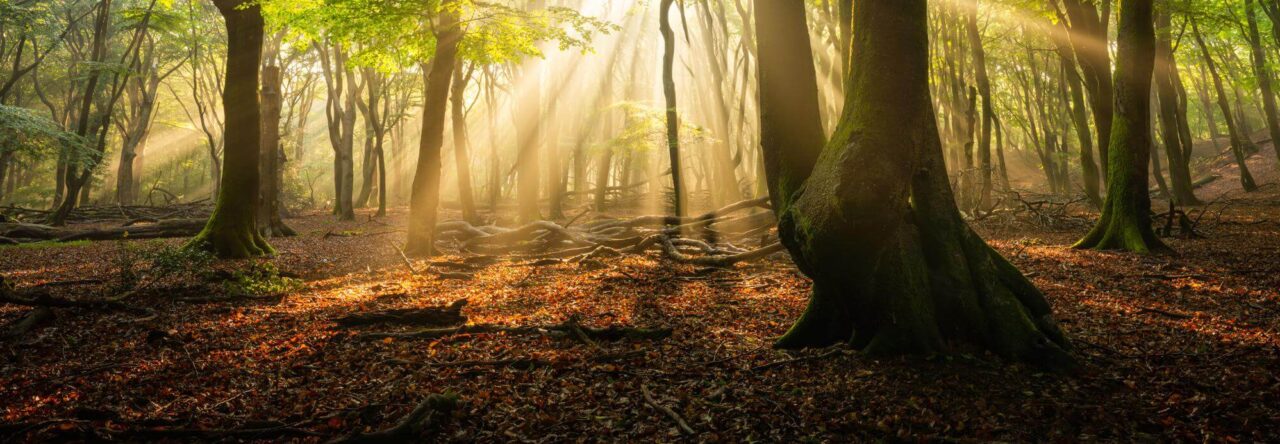
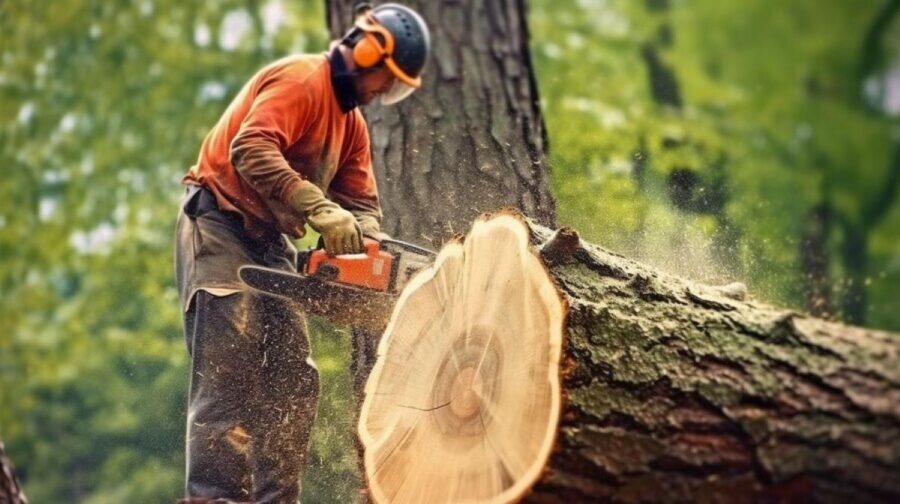
Living on the fringes of the Hornsby Shire, Sutherland Shire, or the Blue Mountains offers unparalleled natural beauty, but it also comes with the inherent risk of bushfires. To help homeowners protect their properties, the NSW Rural Fire Service (RFS) implemented the 10/50 Vegetation Clearing Rule. This scheme allows residents in high-risk zones to clear specific vegetation around their homes without the usual long-winded council approvals.
However, the rules are precise. Clearing the wrong tree or miscalculating your distance could result in significant fines or irreversible environmental damage. This guide breaks down exactly how to determine if your Sydney home is in the eligibility zone and how to use the 10/50 rule safely and legally.
See more: Where to Find the Freshest Flowers in Roseville
What is the 10/50 Vegetation Clearing Rule?
The 10/50 Vegetation Clearing Scheme was introduced following the devastating 2013 bushfire season. Its primary goal is to empower landowners to create a “defensible space” around their habitable buildings.
The rule is divided into two distinct distance-based permissions:
- The 10-Metre Rule: You can remove trees on your property that are within 10 metres of an external wall of a habitable building.
- The 50-Metre Rule: You can clear underlying vegetation (such as shrubs, tall grass, and hazel) within 50 metres of a habitable building.
Key Definitions for Compliance
To stay within the law, you must understand how the RFS defines these terms:
- Habitable Building: Includes residential homes, visitor accommodation, childcare centres, schools, and hospitals. It must be a permanent structure with lawful development consent.
- Tree: A perennial woody plant taller than 3 metres, with a trunk circumference greater than 30cm (measured at 1.3m above the ground).
- External Wall: The measurement starts from the wall of the dwelling. It can include permanent decks or garages only if they are physically attached to the main house.
How to Check Your Eligibility: The 10/50 Online Tool
You cannot assume you are eligible just because you live near bushland. Eligibility is strictly tied to the 10/50 Vegetation Clearing Entitlement Area, which is mapped by the RFS based on bushfire risk assessments.
Step-by-Step Eligibility Check
- Visit the RFS Website: Access the official NSW RFS 10/50 online assessment tool.
- Enter Your Address: Input your exact street address, suburb, and postcode.
- Review the Map: The tool will generate a map of your property. Ensure the red marker is correctly placed over your habitable building.
- Check for Exclusions: Even if you are in the zone, the tool may identify “excluded matters” such as:
- Aboriginal cultural heritage sites.
- Protected riparian buffers (near rivers or lakes).
- Significant environmental communities (e.g., Blue Gum High Forest).
- Re-confirm on the Day: The RFS updates these maps frequently. You must check the tool on the day you intend to clear and keep a record (PDF or screenshot) of the result.
Benefits of the 10/50 Rule for Sydney Homeowners
The 10/50 rule provides a streamlined pathway for hazard reduction that bypasses the traditional Tree Preservation Orders (TPO) found in many Sydney councils.
- Reduced Administrative Burden: No need to wait weeks for a council arborist to visit or pay application fees.
- Immediate Risk Mitigation: Allows for rapid preparation before the peak of the bushfire season (typically December–March).
- Enhanced Property Protection: Creating a 10-metre clearing zone significantly reduces radiant heat and the likelihood of direct flame contact during a fire event.
- Lower Maintenance Costs: Strategic clearing of undergrowth reduces the annual “fuel load” accumulation on your property.
Restrictions and Critical Safety Rules
While the scheme provides freedom, it is not a “blank cheque” for total land clearing. There are strict environmental and safety protections in place.
1. The 18-Degree Slope Rule
To prevent soil erosion and landslips, you cannot remove trees under the 10/50 rule if the land has a slope greater than 18 degrees. If your property is steep, you must seek a geotechnical report or traditional council approval before proceeding.
2. Riparian Buffer Zones
You are prohibited from clearing any vegetation within 10 metres of a prescribed stream (rivers or lakes wider than 2 metres). This protects water quality and prevents bank erosion.
3. Neighboring Properties
The 10/50 rule only applies to your own land. You cannot clear a tree on a neighbor’s property—even if it is within 10 metres of your house—without their explicit written consent.
4. Method of Clearing
The RFS Code of Practice prohibits clearing methods that disturb the soil profile.
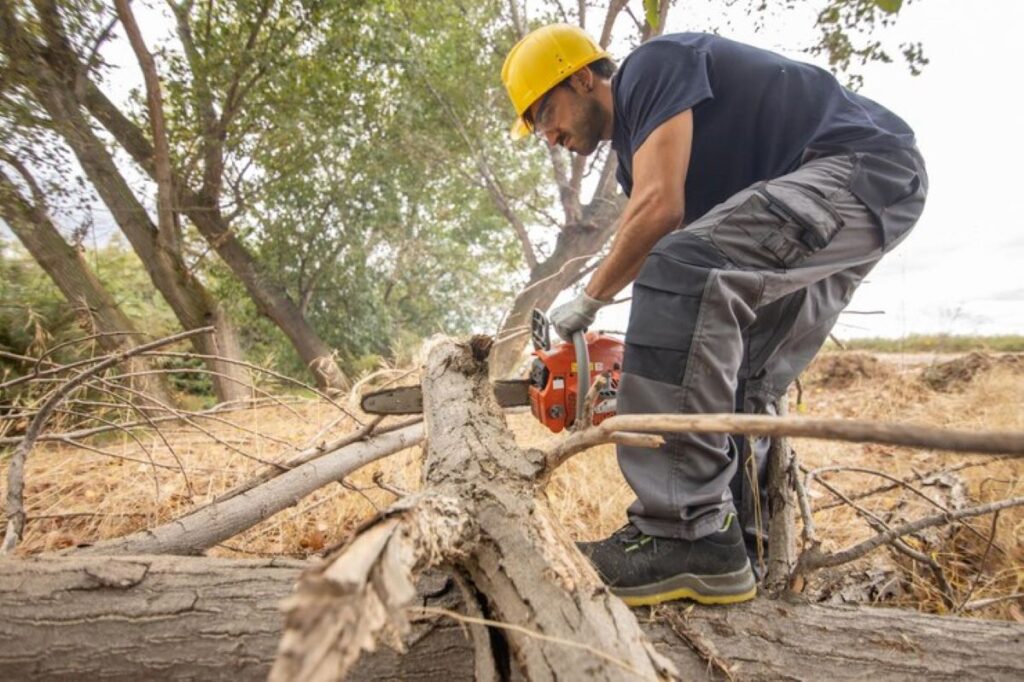
- Allowed: Pruning, hand-clearing, chainsaws.
- Prohibited: Bulldozers, graders, or burning (unless you have a separate fire permit).
Common Mistakes to Avoid
- Clearing Before Construction: You cannot use the 10/50 rule on a vacant block of land, even if you have development consent. The building must be physically constructed.
- Removing Protected Species: Some trees, like those in the “Blue Gum High Forest” of the North Shore, are protected under the Commonwealth EPBC Act. The 10/50 rule does not always override federal environmental law.
- Inaccurate Measurement: Measuring from a detached shed or a “man cave” that isn’t a legally habitable room is a common path to a fine.
Frequently Asked Questions (FAQ)
1. Does the 10/50 rule apply to the Sutherland Shire and Hornsby?
Yes, many parts of these LGAs are within the entitlement zone due to their proximity to National Parks. However, you must use the RFS online tool to confirm your specific lot is eligible.
2. Can I remove a tree if it’s 11 metres away?
No. Under the 10/50 rule, the trunk of the tree must be within 10 metres of the external wall. For trees further away, you may only clear the “underlying vegetation” (shrubs/grass) or apply for a standard council permit.
3. Do I need to notify my council before clearing?
If you are 100% eligible under the 10/50 rule and follow the Code of Practice, you do not need to notify the council. However, keeping the RFS search result from that day is your legal protection.
4. What happens if I clear a tree in a heritage zone?
The 10/50 rule generally does not apply to heritage-listed properties or items of Aboriginal significance. Clearing in these areas without specific permits can lead to massive penalties.
5. Can I prune my neighbor’s overhanging branches?
You may prune branches overhanging your land within the 10-metre zone, provided you do not harm the tree’s overall health and comply with Australian Standard AS 4373 (Pruning of Amenity Trees).
Conclusion: Protect Your Home Legally
The 10/50 Vegetation Clearing Rule is a powerful tool for residents in Sydney’s bushfire-prone fringes, from the Blue Mountains to the leafy suburbs of the North Shore. By understanding the 10-metre tree rule and the 50-metre shrub rule, you can significantly improve your home’s survival chances without the red tape of council applications.
Your Next Step: Before you pick up a chainsaw, ensure you have your “proof of eligibility.” Visit the NSW RFS 10/50 Online Assessment Tool today to confirm your status and download the latest 10/50 Code of Practice.
For professional advice on managing large-scale clearing or complex tree removals, consider consulting a qualified arborist who understands the specific requirements of the NSW RFS guidelines.
Internal Linking Suggestions:
- Bushfire Survival Plan Sydney
- Tree Removal Permits Hornsby Council
- Best Plants for Bushfire Prone Areas
Authoritative External References:
- NSW Rural Fire Service (RFS) Official Website
- NSW Department of Planning and Environment