

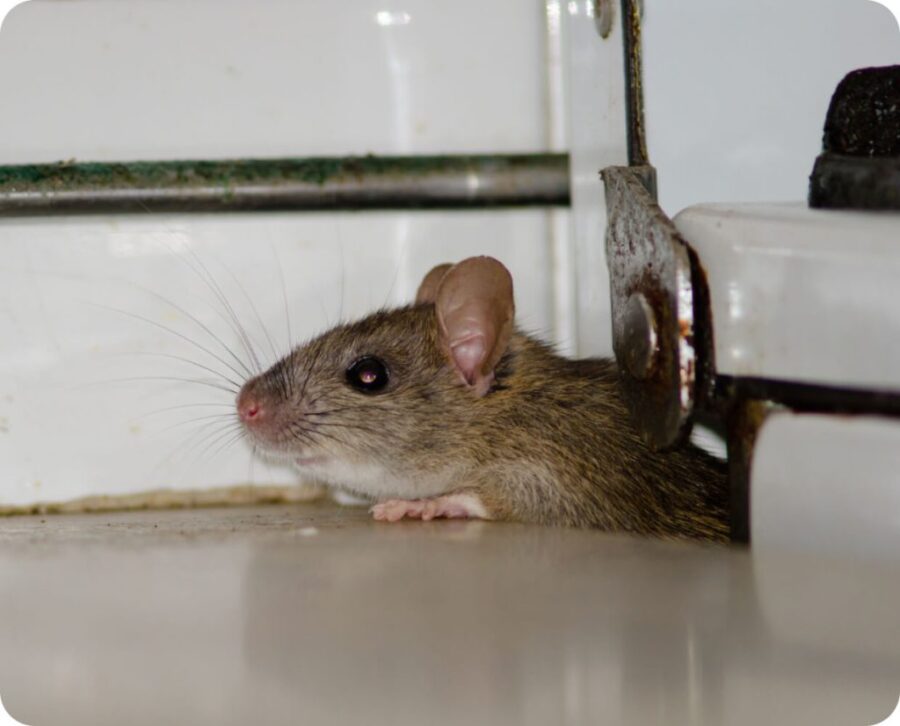
Mice control in Sydney is crucial when rodents invade your home. These persistent pests are more than just a nuisance—they carry dangerous diseases and can cause significant damage to your property, leading to expensive repairs.
Sydney homes often deal with three types of rodents: Norway rats, roof rats, and house mice. Each species presents its own challenges, such as contaminating food supplies or damaging electrical wiring and insulation. The health risks associated with these pests are also concerning: mice control sydney
- Hantavirus transmission through droppings and urine
- Leptospirosis spread via contaminated water
- Rat bite fever from direct contact
In addition to health hazards, rodents can cause extensive damage to your property. They may chew through wood, plastic, and even metal fixtures. It’s worth noting that a single family of mice can destroy hundreds of garden seeds and bulbs within a matter of weeks.
This guide delves into the issue of recurring mice problems and explores their underlying causes. By understanding why infestations keep happening, residents of Sydney can implement effective prevention strategies that safeguard both their health and property in the long run.
What Are The Most Common Causes Of Recurring Mice Problems In Sydney?
Recurring rodent problems Sydney residents face stem from multiple environmental factors that create ideal conditions for mice to thrive and multiply. Understanding these causes of mice infestation helps property owners address the root issues rather than simply treating symptoms.
1. Easy Access To Food Sources
Unsecured food remains the primary magnet drawing mice into Sydney homes and gardens. Rodents possess an exceptional sense of smell that can detect food from considerable distances, making even small amounts of accessible food enough to sustain an entire colony.
Common household food sources for mice include:
- Unsealed pantry items like cereals, grains, pasta, and flour
- Pet food left in bowls overnight or stored in original packaging
- Crumbs and spills on kitchen counters, floors, and behind appliances
- Food waste in uncovered bins or compost containers
- Fruit left ripening on countertops
Garden food sources that attract rodents:
- Fallen fruit from trees and vegetable scraps
- Bird seed scattered beneath feeders
- Compost heaps containing food waste
- Vegetable gardens with accessible produce
- Seeds and bulbs stored in sheds or garages
Rodent food access prevention requires consistent vigilance. Storing all pantry items in airtight glass or metal containers eliminates the scent trails that guide mice to food sources. Cleaning spills immediately prevents residue buildup that sustains rodent populations between meals. Pet bowls should be emptied and washed each evening, removing the temptation for nocturnal feeding.
Kitchen hygiene extends beyond visible surfaces. Mice often find sustenance behind refrigerators, under stoves, and within cupboards where crumbs accumulate unnoticed. Regular deep cleaning of these hidden areas disrupts the reliable food supply that encourages mice to establish permanent residence. Without consistent access to nourishment, rodent populations cannot sustain themselves, forcing them to seek resources elsewhere.
2. Entry Points Are A Major Factor In Recurring Rodent Problems
Why do mice keep coming back even after treatment? Unsealed entry points allow continuous access to your property. Rodents exploit surprisingly small openings—mice can squeeze through gaps as narrow as 6mm, making even minor structural flaws potential doorways for recurring rodent problems Sydney.
Common entry points include:
- Cracks in foundations and exterior walls
- Gaps around door frames and window sills
- Unscreened vents and exhaust openings
- Utility line penetrations (pipes, cables, air conditioning units)
- Damaged roof tiles or eaves
- Gaps beneath garage doors
The key to preventing rodent entry points lies in using appropriate sealing materials. Steel wool works exceptionally well because mice cannot gnaw through it—pack it tightly into holes before covering with caulk or expanding foam. For larger gaps, combine steel wool with cement or metal flashing. Standard caulk alone proves ineffective as rodents easily chew through it.
Sealing mouse entryways requires systematic inspection of your property’s perimeter. Walk around your home during daylight, checking low and high points where materials meet or where utilities enter. Pay special attention to areas where different building materials join, as these junctions often develop gaps over time. A thorough sealing job addresses current causes of mice infestation while preventing future access.
3. Nesting Sites Encourage Continuous Mice Presence
Where do mice build their nests in Sydney homes? Mice seek warm, undisturbed locations with nearby food sources for mice and water access. Common rodent nesting sites include cluttered storage areas, wall cavities, roof spaces, and subfloor areas where shredded paper, fabric, and insulation create comfortable breeding grounds.
Mouse shelter areas Sydney properties often provide include:
- Wood piles stacked against exterior walls
- Dense vegetation and overgrown garden beds
- Accumulated cardboard boxes in garages or basements
- Overhanging tree branches touching rooflines
- Unused machinery or equipment in sheds
- Compost bins without proper sealing
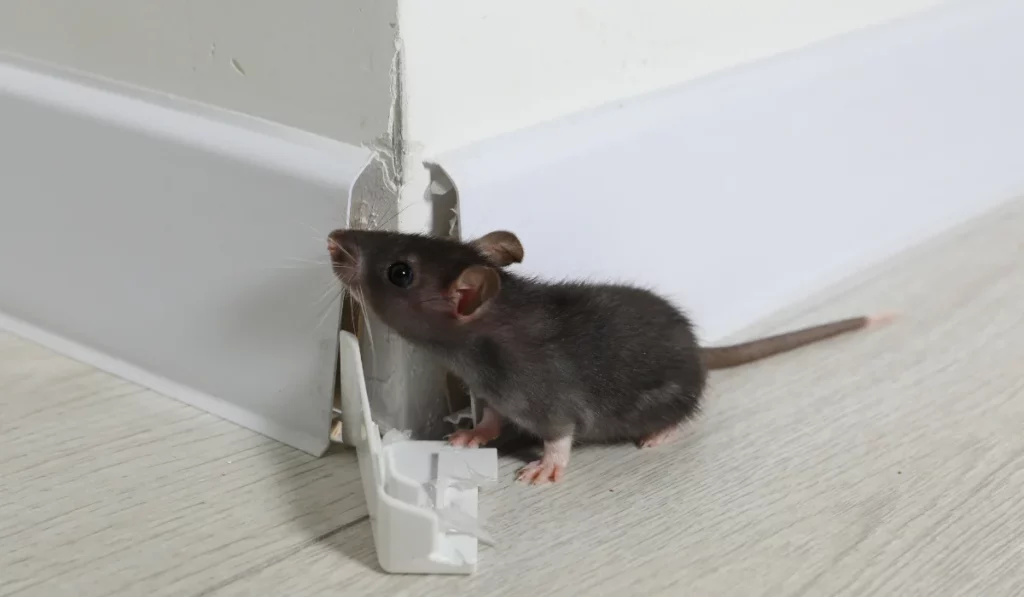
The presence of established nesting sites directly accelerates recurring rodent problems Sydney residents face. A single female mouse produces 5-10 litters annually, with each litter containing 5-6 pups. When nesting materials remain accessible, this reproductive cycle continues uninterrupted, transforming a minor issue into a severe infestation within weeks.
Removing these causes of mice infestation requires systematic action. Clear debris from around building perimeters, trim vegetation at least 30 centimeters from structures, and organize storage spaces to eliminate hidden corners. Regular disturbance of potential nesting zones discourages mice from settling, as they prefer stable, quiet environments for raising young. Without addressing these shelter opportunities alongside rodent food access prevention, control efforts remain incomplete and infestations persist.
4. Poor Cleanliness And Maintenance Fuel Recurring Mice Issues
Why Does Poor Housekeeping Attract Mice?
Inadequate cleaning creates an environment rich in food debris and hiding spots, making your property an ideal habitat for recurring rodent problems Sydney. Crumbs under appliances, grease splatters, and accumulated dust provide sustained food sources for mice that keep them returning even after initial control efforts. You may visit https://Termite Treatment Sydney: How Modern Techniques Protect Your Home/termite-treatment-sydney-how-modern-techniques-protect-your-home/ to learn about termite treatment sydney: how modern techniques protect your home
How Regular Cleaning Helps
Regular vacuuming and sweeping eliminate the microscopic food particles that sustain mouse populations. These cleaning routines remove:
- Crumbs and food residue behind refrigerators, stoves, and cabinets
- Grease buildup on kitchen surfaces that mice consume
- Pet food spillage around feeding areas
- Dust and organic matter that can supplement their diet
The Role of Clutter
Clutter creates protected pathways and nesting materials that encourage mice to establish permanent residence. Stacked boxes, piles of newspapers, and disorganized storage areas offer concealment from predators and human activity. When these items accumulate, they form interconnected networks where mice travel undetected.
Importance of Home Maintenance
Neglecting home maintenance rodents find particularly appealing leads to persistent infestations. Dirty dishes left overnight, overflowing garbage bins, and unsealed pantry items signal abundant resources. The causes of mice infestation often stem from these preventable cleanliness lapses that transform temporary visits into established colonies.
Implementing strict sanitation protocols alongside rodent food access prevention measures creates an inhospitable environment that discourages mice from settling long-term.
5. Garden Conditions Can Lead To Repeated Mouse Infestations
Can your outdoor space be attracting mice back to your property? Gardens provide ideal conditions for recurring rodent problems Sydney residents face, offering shelter, food, and breeding grounds that sustain ongoing infestations.
Mice cause significant garden rodent damage Sydney homeowners discover through destroyed vegetable patches and flower beds. A single family of mice can demolish hundreds of seeds, bulbs, and young seedlings within weeks. The rodents gnaw through root systems, consume ripening fruits, and contaminate soil with their droppings, creating health hazards that persist long after the visible damage appears.
Disturbed soil around plant bases serves as a clear warning sign of active mouse activity. Fresh digging near garden structures, missing seeds from recently planted rows, and chewed stems indicate these pests have established territories in your outdoor areas. These environmental conditions rank among the primary causes of mice infestation that allow populations to thrive undetected.
To further understand the signs indicating a mouse infestation in your garden, you might find this guide on the five garden signs you need a mice exterminator useful.
Preventing garden mice requires strategic physical barriers:
- Install wire mesh at least 30cm deep around raised garden beds
- Bury hardware cloth beneath compost bins and chicken coops
- Wrap tree trunks with metal guards to prevent climbing access
- Remove dense ground cover that provides hiding spots
These barriers disrupt food sources for mice while implementing effective rodent food access prevention measures that address one of the nine main causes leading to repeated infestations.
How To Identify A Recurring Rodent Infestation?
Signs of mouse infestation Sydney appear through multiple telltale indicators that homeowners can spot during routine checks. Detecting rodents early prevents minor problems from escalating into full-blown infestations requiring extensive intervention.
Physical evidence provides the clearest confirmation of mouse activity:
- Droppings near food storage areas, inside cupboards, or along baseboards—fresh droppings appear dark and moist while older ones turn grey and crumbly
- Gnaw marks on wooden furniture, plastic containers, electrical wiring, and cardboard packaging—fresh marks show lighter wood underneath
- Tracks and smudges along walls and floors where mice repeatedly travel, leaving greasy marks from their fur
- Scratching or scurrying sounds during nighttime hours when mice are most active
Behavioral clues offer additional confirmation. Nests constructed from shredded paper, fabric, or insulation typically hide in dark, undisturbed spaces like wall cavities or storage boxes. Pets may display unusual behavior—staring at walls, pawing at specific areas, or showing heightened alertness near suspected mouse pathways.
Can Natural Deterrents Help Prevent Mice From Returning?
Natural rodent repellents Sydney residents use can provide supplementary protection against mice, though they work best alongside physical barriers and proper sanitation. These methods create an unwelcoming environment that discourages rodents from settling in treated areas.
Planting specific herbs and flowers around entry points adds a defensive layer to your property:
- Peppermint releases a strong scent mice find overwhelming
- Lavender produces oils that interfere with rodent navigation
- Marigolds emit an odor that repels various pests including mice
Peppermint oil for mice control serves as an accessible indoor solution. Cotton balls soaked in the oil placed near suspected entry points create temporary barriers. The concentrated scent irritates rodent sensory systems, prompting them to seek alternative locations.
These natural methods have clear limitations. The effectiveness diminishes quickly as scents fade, requiring frequent reapplication every few days. Rain washes away outdoor deterrents, while indoor oils evaporate within 48-72 hours. Natural repellents cannot eliminate existing infestations or seal physical entry points that allow mice access to your property.
What Combination Of Control Methods Are Most Effective Against Recurring Mice Problems?
Effective mice control methods Sydney require layering multiple approaches for lasting results. Bait stations containing anticoagulant rodent baits work by disrupting blood clotting, eliminating mice over several days. Tracking powders reveal active pathways, helping identify high-traffic zones that need attention.
Physical capture tools serve different purposes:
- Snap traps deliver instant kills when placed along walls where mice travel
- Glue boards capture rodents alive, though require regular checking
- Bait stations protect children and pets while targeting rodents specifically
Professional pest control rodents services bring expertise that DIY efforts can’t match. Technicians create customized treatment plans based on infestation severity, property layout, and household needs. Regular inspections catch new activity before populations explode, while follow-up monitoring ensures treatments remain effective.
Sydney pest control companies combine these tools strategically, rotating methods to prevent mice from developing avoidance behaviors. This integrated approach addresses Mice Control Sydney: 9 Causes of Recurring Mice Problems and How to Prevent Them through sustained pressure on rodent populations.
When Should Sydney Residents Seek Professional Help For Mice Control?
Should you wait to see multiple mice before calling experts? Act immediately upon spotting the first signs of rodent activity—droppings, gnaw marks, or unusual scratching sounds. A single mouse sighting typically indicates a larger hidden population, as these rodents breed rapidly and can produce up to 10 litters per year.
Professional pest control Sydney services become essential when DIY methods fail after two weeks, when infestations recur within months, or when you discover nesting sites in wall cavities or roof spaces. Experts possess specialized equipment to access hard-to-reach areas and identify entry points invisible to untrained eyes.
Modern eco-friendly rodent treatment options eliminate health concerns for households with children and pets. These treatments use plant-based formulas and humane trapping methods while maintaining effectiveness against persistent infestations.
Budget-conscious homeowners benefit from flexible service packages:
- One-time intensive treatments for acute problems
- Quarterly maintenance plans for ongoing protection
- Customized solutions scaled to property size
- Payment plans accommodating various financial situations

Conclusion
Preventing recurring mice infestations in Sydney requires consistent effort and attention to detail. Property owners who implement comprehensive rodent control tips—from sealing entry points to maintaining cleanliness—create environments where mice cannot thrive. Regular inspections of potential nesting sites, proper food storage, and garden maintenance form the foundation of long-term protection.
Success depends on treating mice control as an ongoing responsibility rather than a one-time fix. Combining DIY prevention methods with professional expertise when needed ensures Sydney homes remain protected from the health risks and property damage these persistent pests cause. Taking action today prevents costly problems tomorrow.