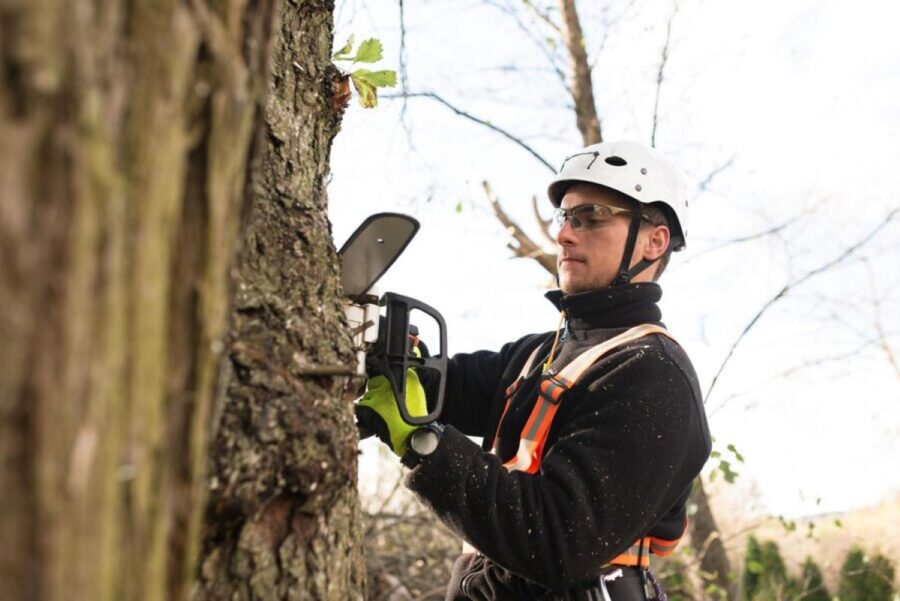
Below is a practical guide to what an Arborist Sydney team typically does, when to call them, and how to choose the right provider.
What does an arborist in Sydney actually do?
A Sydney arborist assesses, maintains, and manages trees with safety, health, and risk in mind. They typically provide pruning, removals, planting advice, pest and disease support, and reports for council or development needs.
Good arborists do not just “cut trees.” They diagnose structural issues, reduce hazards, and help trees live longer in difficult urban conditions.
When should they call an arborist instead of a gardener?
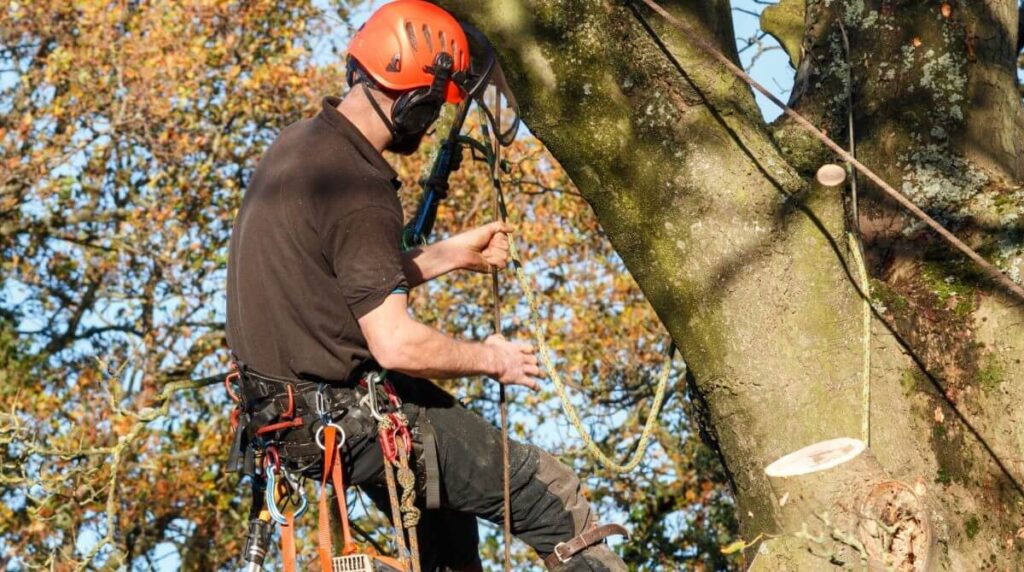
They should call an arborist when there is any safety risk, significant pruning need, or uncertainty about tree health. Gardeners can handle general garden maintenance, but tree work often involves working at height, rigging, and understanding how cuts affect long-term structure.
If branches hang over roofs, power lines, driveways, or neighbour fences, an arborist is the safer and usually the legally cleaner choice.
Which tree care services are most common in Sydney?
Most Arborist Sydney providers focus on a handful of high-demand services. These are the jobs property owners request most often because they directly affect safety, insurance risk, and curb appeal.
Common services include pruning, tree removal, stump grinding, hedge reductions, and emergency storm response.
How does tree pruning improve safety and tree health?
Pruning improves safety by reducing deadwood, weak unions, and overextended limbs that can fail in wind. It improves tree health by removing diseased material, improving airflow, and guiding structure as the tree grows.
Quality pruning is selective and purpose-led. Over-pruning, topping, or aggressive lopping can trigger decay, stress growth, and future failures.
When is tree removal the right option?
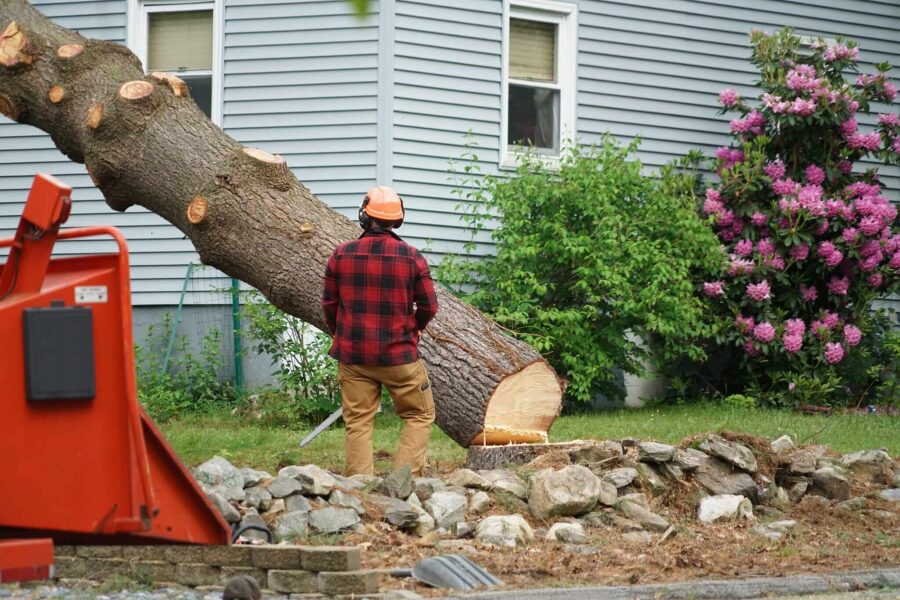
Removal is usually the last resort, but it is sometimes the correct one. They may need removal when a tree is dead, structurally unsound, severely diseased, or causing proven damage to assets and cannot be reasonably mitigated.
A professional team will typically confirm whether pruning, bracing, or monitoring could work first, especially if the tree is protected by council controls.
Do they need council approval to remove or prune a tree in Sydney?
Often, yes, depending on the council area, species, and trunk size. Many local councils have Tree Preservation Orders or similar rules, and fines can apply for illegal removal or excessive pruning.
Arborists can help by identifying likely exemptions, measuring the tree correctly, and preparing arborist reports that councils or certifiers accept.
What is an arborist report and when is it needed?
An arborist report is a written assessment covering tree health, structure, risk, and recommendations. They often need one for development applications, construction near trees, disputes about alleged damage, or to support approval for removal.
A strong report includes clear photos, measurements, risk reasoning, and practical options, not just a vague recommendation.
How do they handle emergency tree work after storms?
Emergency response typically focuses on making the site safe first. That may mean removing hanging branches, clearing accessways, or stabilising split limbs using controlled rigging.
Sydney storms can create hidden hazards, so reputable arborists also check for cracked unions, uprooting, and canopy imbalance that might not be obvious from the ground.
How can they tell if a tree is becoming dangerous?
They should watch for sudden lean, soil heaving, major cracks in the trunk, large dead branches, fungal fruiting bodies, and dieback across the canopy. Repeated branch drops in calm weather can also signal internal decay or structural failure.
If any of these signs appear, they should treat it as time-sensitive and get an assessment rather than waiting for the next wind event.
Other Resources : The epidemiology of injuries related to falling trees and tree branches
What should they look for when choosing an Arborist Sydney provider?
They should prioritise qualifications, insurance, and a safety-first approach. A good provider explains what they will do, why it helps, and what it will cost, without pushing unnecessary removals.
They should also look for clear quoting, site-specific risk controls, and evidence of recent similar work in tight Sydney access conditions.
Which questions should they ask before accepting a quote?
They should ask who will be on-site, what standards the pruning will follow, and whether waste removal is included. They should also confirm whether traffic control, neighbour access, or council permissions are part of the scope.
Useful questions include: How will they protect fences and gardens? Will they use rigging to avoid dropping limbs? Can they provide proof of insurance on request?
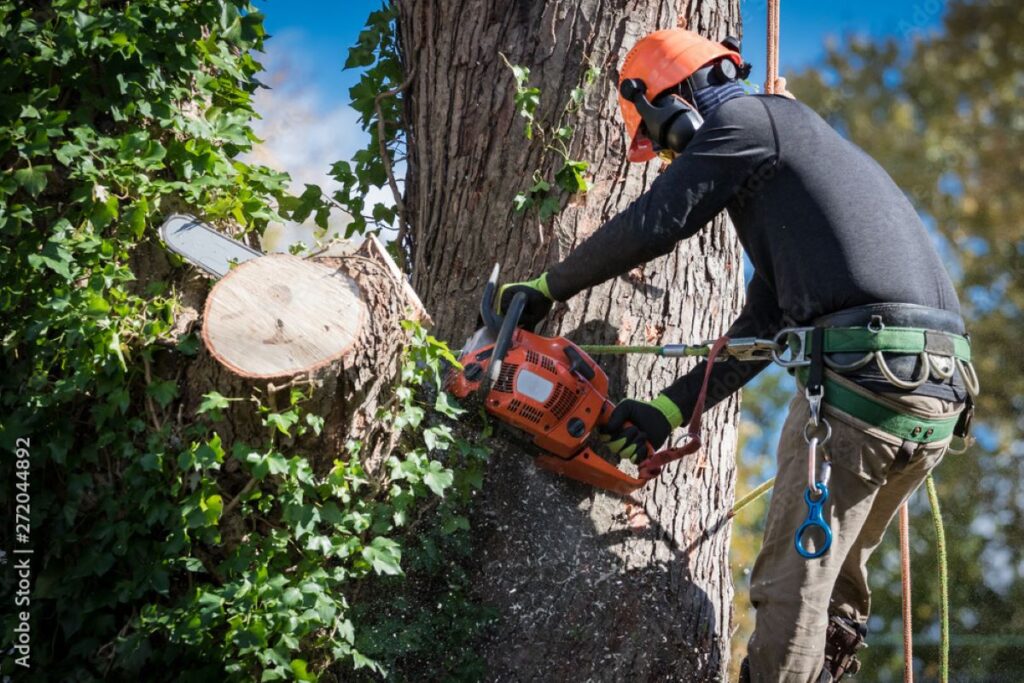
How do they keep trees healthy in Sydney’s climate long term?
Long-term health usually comes from correct pruning, adequate mulch, good watering during establishment, and avoiding root damage from construction. Many Sydney trees struggle because soil is compacted, roots are cut for renovations, or irrigation is inconsistent.
Arborists can recommend species that suit the site, spacing that avoids future conflicts, and simple care routines that reduce failures as trees mature. You may like to visit https://analogforestrynetwork.org/tree-pruning-sydney-practices-stronger-safer-trees/ to learn more about best practices for stronger, safer trees.
What is the simplest next step if they need help?
They should book an on-site assessment with a qualified Arborist Sydney team and ask for a written scope of works. That keeps expectations clear, supports compliance where approvals apply, and helps them compare quotes fairly.
Tree care is easier and cheaper when they act early, before a minor defect becomes a major hazard.
FAQs (Frequently Asked Questions)
What services does an Arborist Sydney team typically provide?
An Arborist Sydney team typically assesses, maintains, and manages trees with safety, health, and risk in mind. Their services include pruning, tree removals, planting advice, pest and disease support, and preparing reports for council or development needs.
When should I call an arborist instead of a gardener for tree care in Sydney?
You should call an arborist when there is any safety risk, significant pruning need, or uncertainty about tree health. Arborists handle complex tree work involving height, rigging, and structural knowledge—especially if branches overhang roofs, power lines, driveways, or neighbour fences—making them the safer and legally compliant choice over gardeners.
Do I need council approval to remove or prune a tree in Sydney?
Often yes. Council approval depends on your local council area, the species of the tree, and trunk size. Many councils have Tree Preservation Orders or similar rules. Illegal removal or excessive pruning can result in fines. Qualified arborists can help identify exemptions, measure trees correctly, and prepare arborist reports accepted by councils.
How does professional tree pruning improve safety and tree health?
Professional pruning reduces hazards by removing deadwood, weak unions, and overextended limbs that might fail in wind. It also enhances tree health by eliminating diseased material, improving airflow within the canopy, and guiding healthy structural growth. Quality pruning is selective and purpose-led to avoid stress or decay caused by over-pruning or topping.
What signs indicate a tree might be dangerous and require assessment?
Signs include sudden lean, soil heaving around roots, major trunk cracks, large dead branches, fungal fruiting bodies on the trunk or roots, dieback across the canopy, and repeated branch drops during calm weather. These symptoms suggest internal decay or structural failure and should prompt timely professional assessment to prevent hazards.
How do I choose the right Arborist Sydney provider for my property?
Choose providers with proper qualifications, insurance coverage, and a safety-first approach. A good arborist explains their methods clearly without pushing unnecessary removals. Look for clear quotes that include site-specific risk controls and evidence of experience handling similar jobs in tight Sydney access conditions.