

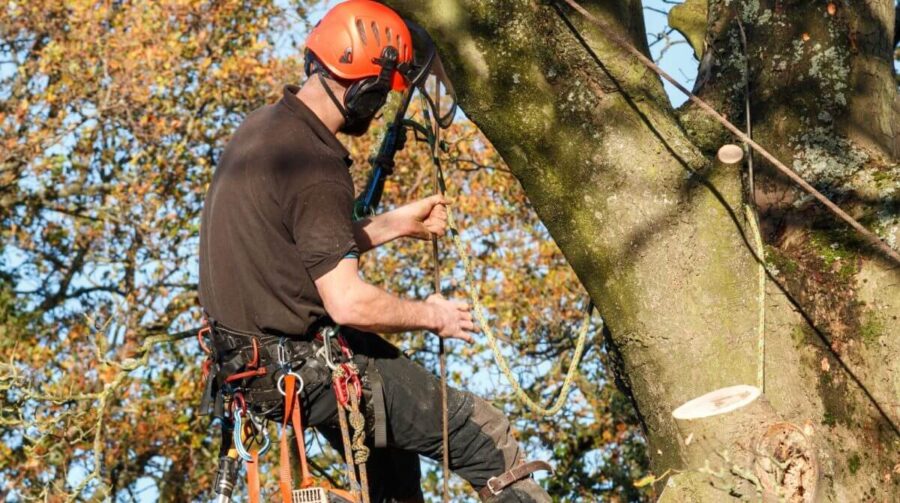
The best approach is to treat it like any high-stakes trade. Check credentials, ask the right questions, and get the details in writing before anyone starts a saw.
What type of tree work do they actually need?
They should be clear about the scope when arranging tree cutting services, whether the job involves felling, crown reduction, thinning, lifting, deadwood removal, stump grinding, or emergency storm work. These are not interchangeable, and the wrong approach can damage the tree, create hazards, or lead to repeated call-outs.
If they are unsure, a reputable service will inspect the tree and explain the options, including whether pruning is safer than removal.
Are they properly insured for tree cutting?
They should carry public liability insurance, and ideally employers’ liability if they have staff. Tree work is high-risk, and insurance is what protects the homeowner if a branch hits a roof, a fence, a car, or a passer-by.
They should be willing to show proof of cover and confirm the policy is current. If they avoid the question, it is a strong reason to walk away.
Do they have the right qualifications and training?
They should be trained for chainsaw use, climbing, rigging, and aerial rescue where relevant. Tree work involves working at height with cutting equipment, so competence matters more here than in many other trades.
They should also understand proper pruning standards, not just removal. A team that only knows how to cut hard and fast can leave trees unstable or prone to disease.
Are they checking for Tree Preservation Orders and conservation rules?
They should ask whether the tree is protected by a Tree Preservation Order (TPO) or located in a conservation area. In the UK, cutting, lopping, topping, uprooting, or wilfully damaging protected trees can lead to serious penalties.
A reliable contractor will discuss permissions and may help with the application process, but they should never suggest “just doing it” without checks.
Will they provide a written quote with a clear scope?
They should supply a written quote that states exactly what is included. This should cover the specific works, access requirements, the number of trees, whether stump removal is included, and what happens to waste.
It should also state whether VAT is included, the expected start date, and payment terms. Vague quotes often lead to disputes when the final bill appears. You may like to visit https://www.planningportal.nsw.gov.au/development-and-assessment/planning-approval-pathways/complying-development/tree-removal-and-protection to learn more about tree removal and protection.
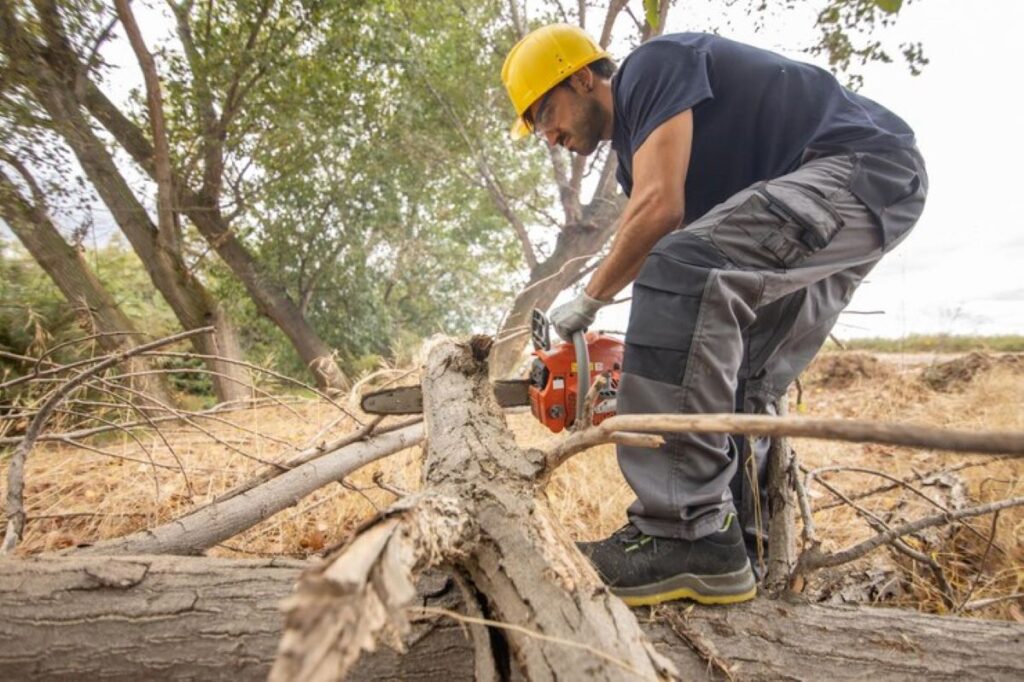
What equipment and safety controls will they use?
They should explain how they will control the drop zone, protect nearby structures, and manage the public if the work is near a road or footpath. For larger removals, they may use rigging systems to lower sections safely rather than letting them fall.
They should arrive with proper PPE, signage, and a plan for safe access. If they seem casual about safety, the risk usually lands on the homeowner’s property.
How will they protect fences, sheds, lawns, and driveways?
They should discuss how they will avoid damage from falling timber, dragging logs, or heavy kit. Ground protection mats, controlled lowering, and planned routes for moving waste are common signs of a careful team.
They should also flag issues like limited access, fragile surfaces, or underground services. A good contractor raises these early, not after something cracks.
Do they include waste removal and cleanup?
They should confirm whether they will remove logs, brash, and woodchip, and whether they will leave the site swept and tidy. Some quotes include removal, while others offer to leave logs for firewood or chip for garden use.
They should specify exactly what will remain, if anything. If the quote is silent on waste, it is worth assuming the homeowner may be left with a pile to manage. Click here to learn more about Tree Lopping Services Vs Pruning: What’s The Difference.
What is their approach to neighbour and boundary issues?
They should ask about overhang, shared boundaries, and access, especially if they need to enter a neighbour’s land. Even when a tree sits in one garden, branches and roots often affect others.
They should also be comfortable recommending neighbour-friendly solutions, such as staged reductions. Rushed work near boundaries is a common source of complaints.
Can they show recent local work and genuine reviews?
They should be able to show photos of similar jobs and provide references if asked. Reviews are useful, but the best proof is consistent local work with clear before-and-after examples.
They should also have a business presence that matches their name, phone number, and location. If they frequently change names or only communicate via messaging apps, that can be a warning sign.
Do they offer a sensible timeline and avoid pressure tactics?
They should explain availability, how long the job will take, and what weather conditions might delay it. Tree work is often rescheduled for safety, so honest timelines matter.
They should not pressure anyone into same-day decisions, especially after an “inspection” that suddenly reveals urgent danger. Genuine hazards exist, but reputable teams still explain the reasoning calmly.
What red flags should they watch for before hiring?
They should be cautious if the contractor will not provide proof of insurance, avoids written quotes, or cannot describe the method they plan to use. They should also avoid anyone offering to “top” trees as a default solution, as it can be harmful and is often a sign of poor practice.
Another red flag is demanding full payment upfront. A deposit can be normal for larger jobs, but terms should be clear and proportionate.
What should they ask before booking the job?
They should ask a few direct questions and expect direct answers. Useful questions include: What exactly will be cut and why? Is permission required? Is waste removal included? Will the stump be removed? Who is responsible for damage if something goes wrong? How will they keep the site safe?
A reliable contractor welcomes these questions because it shows the homeowner is taking safety seriously.
How can they get the best value without cutting corners?
They should compare like-for-like quotes, not just the lowest price. The best value usually comes from clear scope, proper insurance, trained staff, and tidy completion, even if the upfront number is higher.
If budget is tight, they can ask whether the work can be phased, or whether a reduction solves the issue instead of full removal. The goal is a safe outcome that does not create bigger costs later.
FAQs (Frequently Asked Questions)
What types of tree cutting services should I consider for my specific tree work needs?
It’s important to identify the exact type of tree work required, such as felling, crown reduction, thinning, lifting, deadwood removal, stump grinding, or emergency storm work. Each task is distinct and requires a tailored approach to avoid damaging the tree or creating hazards. A reputable service will inspect your tree and explain whether pruning is safer than removal.
How can I verify if a tree cutting service is properly insured?
Ensure the contractor carries public liability insurance and, ideally, employers’ liability if they have staff. This insurance protects you from liabilities if damage occurs to property or injury happens during the work. Always ask for proof of current insurance cover and be wary of contractors who avoid this question.
Why are qualifications and training important when hiring a tree cutting team?
Tree work involves high-risk activities like chainsaw use, climbing, rigging, and aerial rescue. Qualified and trained professionals understand proper pruning standards and safety protocols, reducing risks of unstable trees or disease. Hiring untrained workers can lead to unsafe practices and poor outcomes.
Do I need permission before cutting down a protected tree?
Yes. If your tree is covered by a Tree Preservation Order (TPO) or located in a conservation area in the UK, you must obtain permission before any cutting, lopping, topping, uprooting or wilful damage. A reliable contractor will check these regulations with you and assist in the application process rather than proceeding without consent.
What should a comprehensive written quote from a tree cutting service include?
A detailed written quote should specify the exact works included (such as number of trees and whether stump removal is part of the job), access requirements, waste disposal plans, VAT inclusion, expected start date, and payment terms. Clear quotes help prevent disputes over costs or scope later on.
How do professional tree cutters ensure safety and protect my property during work?
They implement safety controls like controlling drop zones, protecting nearby structures with ground protection mats or controlled lowering techniques, managing public access near roads or footpaths with signage and PPE (personal protective equipment). They also plan safe access routes for equipment and waste removal to avoid damage to fences, lawns or driveways.