

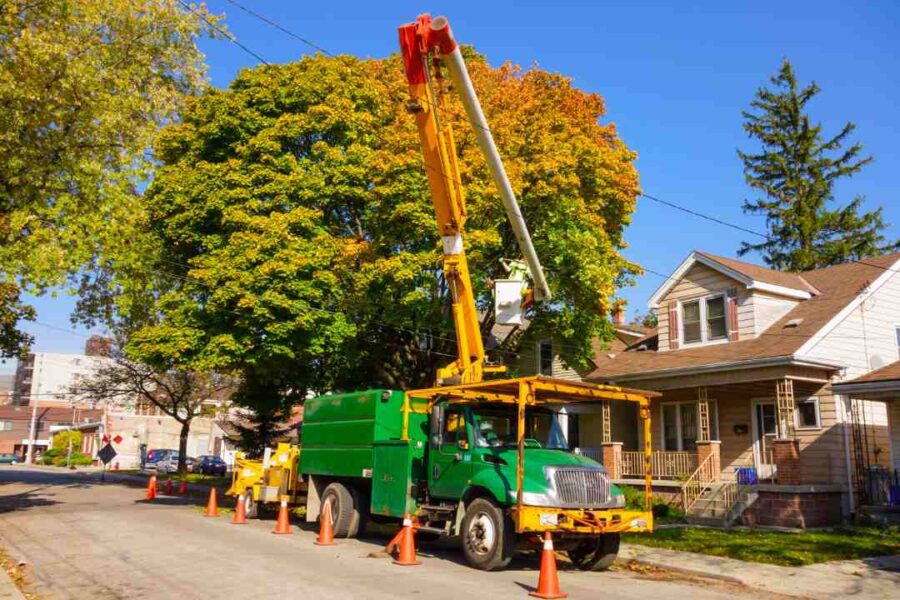
In simple terms, pruning is targeted, standards-based tree care. Lopping is the heavy removal of large branches or the top of a tree, often done to reduce size quickly.
What is tree pruning?
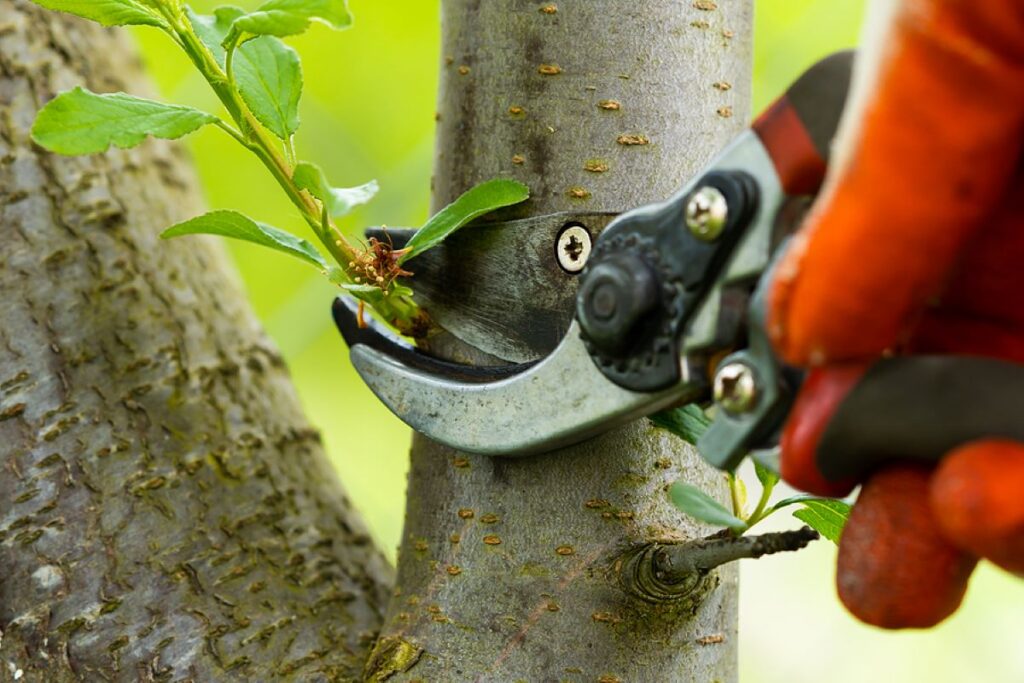
Tree pruning is the selective removal of specific branches to improve structure, health, clearance, and safety. They cut with a clear reason and a clear endpoint, such as removing deadwood, reducing weight on a limb, or improving branch spacing.
Good pruning focuses on correct cuts, minimal stress to the tree, and long-term outcomes. It is typically the first-choice method for maintaining most residential and commercial trees.
What is tree lopping?
Tree lopping usually means cutting large branches back to stubs, or removing major sections to reduce height and spread fast. They might also lop a tree to clear a view, stop shading, or create short-term clearance away from buildings and power lines.
Because it is severe, lopping can trigger rapid regrowth, weaken branch attachments, and increase the risk of decay. In many cases, it is a reactive approach rather than a planned one.
How do the goals of lopping and pruning differ?
Pruning aims to guide the tree, not fight it. They prune to reduce hazards, support healthy growth, and keep the canopy balanced while preserving the tree’s natural shape.
Lopping aims to shrink the tree quickly. They lop to cut bulk in one visit, often when a tree has outgrown the space or when the client wants an immediate change, even if it creates problems later.
How does each method affect tree health?
Pruning, when done correctly, supports tree health by removing dead, diseased, or crossing branches and improving airflow and light penetration. It also reduces the likelihood of limb failure by managing weight and structure.
Lopping can harm tree health because large wounds are harder to seal and can invite decay. The regrowth that follows is often dense and weakly attached, which can create future breakage points. Check out more about Hazardous Trees.
Which one is safer in the long run?
Pruning is usually safer long term because it reduces risk while keeping the tree structurally sound. It can manage hazards progressively, which avoids shocking the tree and prevents creating weak regrowth.
Lopping can create a cycle of repeat cutting. A lopped tree may produce fast, upright shoots that snap in wind, meaning the tree can become more dangerous unless it is re-lopped.
When might a tree need lopping rather than pruning?
Lopping can be appropriate in limited situations, but it is rarely the ideal first option. One might consider it where urgent clearance is needed and there is no time for staged works, or where the tree is already in poor condition and planned removal is likely.
Even then, many professionals will recommend alternatives such as crown reduction to pruning standards, staged reduction over time, or full removal if the tree is unsuitable for the site.
What does “crown reduction” mean, and how is it different from lopping?
Crown reduction is a form of pruning that reduces height and spread while keeping a natural canopy shape. It reduces to suitable growth points and keeps cuts proportionate, which helps the tree respond more predictably.
Lopping removes to stubs or arbitrary points, which often leaves the tree unbalanced and stressed. If the goal is to “make it smaller”, crown reduction is usually the professional pruning-based approach.
Can lopping or pruning be illegal or restricted?
Yes. Trees may be protected by Tree Preservation Orders (TPOs) or be within a Conservation Area, and permissions can be required before they do any significant work. Even pruning can be restricted if it materially affects the tree’s appearance or health.
They should always check with the local council before booking works, and a reputable contractor will ask about protections early.
How can they tell if a contractor is proposing lopping or proper pruning?
The language they use is a clue. If they propose “topping”, “lopping”, or “cutting it right back” without explaining specific targets and outcomes, it can be a red flag.
A pruning-focused contractor will describe the method, such as deadwood removal, crown thinning, crown lifting, or crown reduction, and will explain why those cuts are being made and what the tree will look like afterwards.
Which service is more cost-effective?
Pruning can cost more upfront if it is skilled, targeted, and staged, but it often saves money over time by reducing failures and avoiding repeated drastic cuts. It also tends to preserve the tree’s value and appearance.
Lopping can look cheaper because it is fast, but it may lead to more frequent follow-up work, a higher risk of storm damage, and in some cases a shortened tree lifespan that ends in removal.
What should they ask for before approving any tree work?
They should ask for a written scope that names the pruning specification, the intended result, and how waste will be handled. They should also ask whether the contractor works to British Standards for tree work and whether they hold suitable insurance.
If the tree is close to roads, neighbours, or power lines, they should ask how access, traffic management, and safety will be managed.
So, which should they choose: lopping services or pruning?
For most trees, pruning is the right choice because it improves safety and health without creating avoidable long-term problems. If the tree has outgrown the space, a standards-based crown reduction is usually a better option than lopping.
Lopping should be treated as an exception, not the default. If a contractor recommends lopping, they should ask what alternatives exist and what the long-term plan is for managing regrowth and risk.
More to Read : Tree Cutting Services Near Me: What To Look For Before Hiring
FAQs (Frequently Asked Questions)
What is the difference between tree pruning and tree lopping?
Tree pruning is a targeted, standards-based approach focusing on selective branch removal to improve a tree’s health, structure, and safety. Tree lopping involves heavy removal of large branches or the tree’s top to quickly reduce size, often causing stress and potential harm to the tree.
How does pruning benefit tree health compared to lopping?
Pruning supports tree health by removing dead or diseased branches, improving airflow and light penetration, and managing structural weight. Lopping can harm trees by creating large wounds prone to decay and encouraging weak regrowth that increases future breakage risks.
When is tree lopping considered appropriate over pruning?
Lopping may be appropriate in urgent situations requiring immediate clearance or when a tree is in poor condition with planned removal likely. However, it’s rarely the first choice; professionals often recommend crown reduction or staged pruning as better alternatives.
What is crown reduction and how does it differ from lopping?
Crown reduction is a form of pruning that reduces a tree’s height and spread while maintaining its natural shape through proportionate cuts at suitable growth points. In contrast, lopping cuts back to stubs or arbitrary points, often leaving the tree unbalanced and stressed.
Can tree lopping or pruning be restricted or illegal?
Yes. Trees protected by Tree Preservation Orders (TPOs) or located within Conservation Areas may require permission before significant work. Even pruning can be restricted if it materially affects the tree’s appearance or health. It’s essential to check with local councils before proceeding.
How can I ensure my contractor uses proper pruning techniques instead of lopping?
A reputable pruning contractor will explain specific methods like deadwood removal, crown thinning, lifting, or reduction with clear reasons and expected outcomes. Beware of contractors using terms like “topping” or “cutting back” without detailed explanations, as these may indicate lopping.