analog forestry

Tag: tree pruning cost

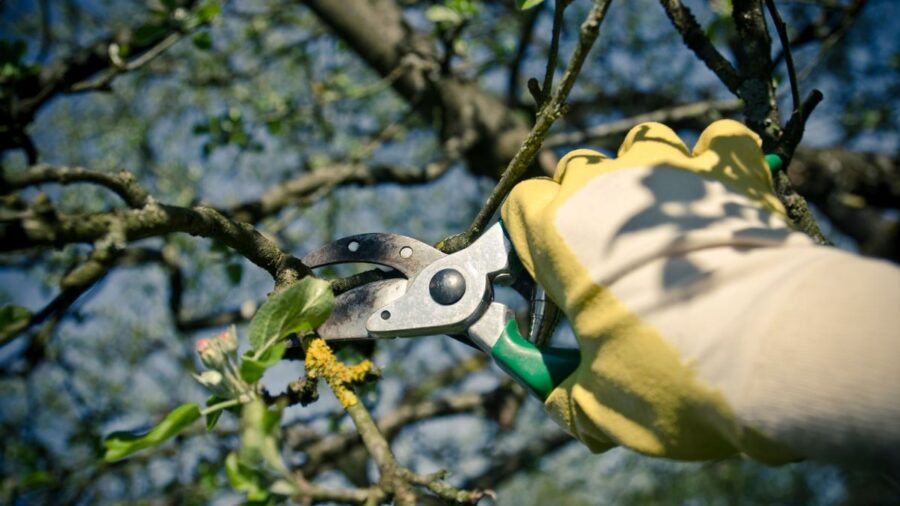
tree pruning tools

Tree Pruning Sydney: Best Practices for Stronger, Safer Trees

Tree pruning is not just “cutting branches.” Done well, it strengthens form, reduces failure risk, improves light and airflow, and keeps trees clear of roofs, powerlines, and walkways. Done poorly, it can trigger decay, weak regrowth, and long-term instability.

What does proper tree pruning in Sydney actually achieve?

Proper pruning with the right tree pruning tools reduces risk while keeping the tree healthy. It removes dead, damaged, diseased, or poorly attached branches and guides growth into a safer structure.

Using tree pruning tools also improves clearance and visibility around driveways, paths, signs, and buildings. In many cases, it prevents costly future work by correcting problems early, when cuts are smaller and easier for the tree to seal.

When is the best time to prune trees in Sydney?

The best time depends on the species and the goal, but most routine pruning is safest when trees are not under extreme stress. They generally respond best when cuts are planned, minimal, and timed to avoid heatwaves and major growth flushes.

Storm season preparation often happens before periods of high wind and heavy rain. If there are dead or hanging limbs, timing becomes immediate, because safety overrides ideal seasons.

How can they tell if a tree needs pruning right now?

They should look for clear risk and health signals. Deadwood in the canopy, cracked limbs, rubbing branches, and heavy overhang above targets like roofs or play areas are common warning signs.

Other cues include branches pulling away from the trunk, fungal growth at joints, sudden leaning after wet weather, and dense canopies blocking light and airflow. If a limb could hit something important if it fell, it is usually time to act.

Which pruning cuts are considered best practice?

Best practice focuses on small, purposeful cuts that respect the tree’s natural structure. That usually means removing deadwood, thinning selectively, reducing weight on long limbs, and improving branch spacing.

Cuts should be made just outside the branch collar, not flush to the trunk and not leaving long stubs. That helps the tree seal the wound faster and reduces the chance of decay moving into the main stem.

Why is topping a tree a bad idea?

Topping creates large wounds and forces the tree to respond with fast, weakly attached shoots. Those shoots often break later, especially in wind, which increases risk rather than reducing it.

It also removes too much leaf area, starving the tree and stressing its energy reserves. In Sydney’s conditions, topped trees commonly develop decay, sunburned limbs, and ongoing maintenance problems that cost more over time.

How much can be safely removed without harming the tree?

A common rule is to avoid removing more than about 20 to 30 percent of the canopy in one session, and less is often better. Smaller cuts are easier for a tree to compartmentalise and recover from.

If they want a major size change, staged pruning over multiple visits is usually safer. That approach reduces shock and helps the tree maintain stability while it adapts.

What are the most important safety considerations in Sydney suburbs?

Targets matter. Branches over homes, carports, fences, footpaths, and neighbouring yards raise the stakes, especially before storms. They should treat any cracked or hanging limb as urgent.

Clearance near powerlines is a major concern. Work near electrical infrastructure should only be handled by appropriately qualified professionals, because the risks and compliance requirements are serious. Check out more about Updates to land clearing rules.

How should they prune young trees for long-term strength?

Young-tree pruning is about training structure early. They should aim for a clear central leader where appropriate, strong branch unions, and good spacing between scaffold limbs.

Removing competing leaders, crossing branches, and narrow-angled attachments early prevents bigger cuts later. The best outcome is a tree that grows into a stable shape without needing aggressive pruning in adulthood.

How do they handle large limbs without causing bark tearing?

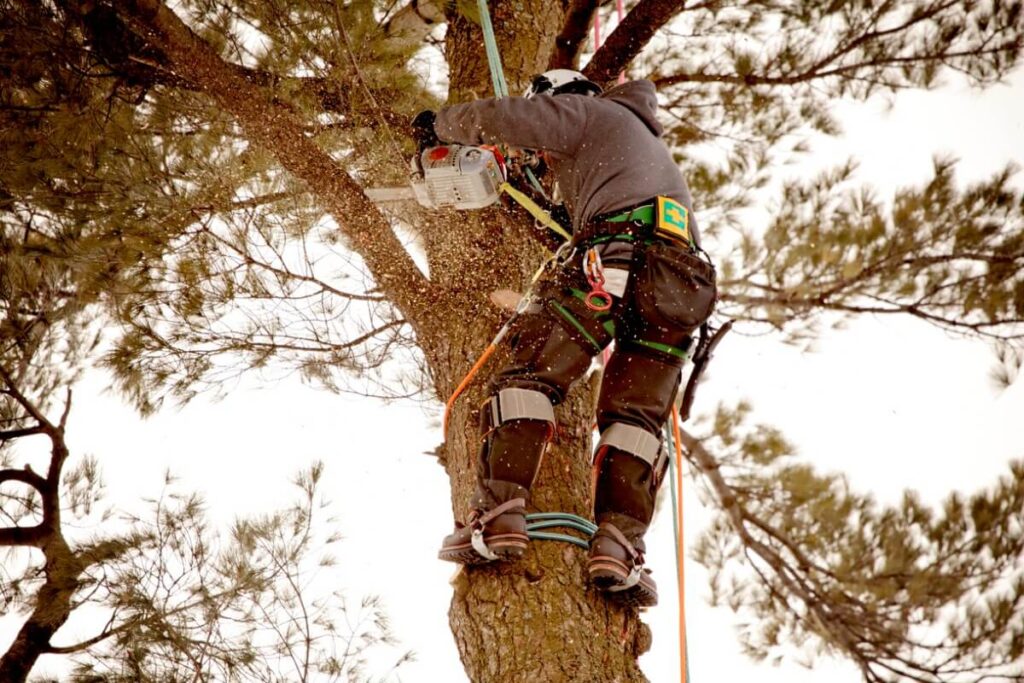
Large limbs should be removed with controlled, multi-step cutting. A common method is the three-cut technique: an undercut, a top cut to drop the limb, then a final cut near the collar.

This prevents the limb’s weight from ripping bark down the trunk. Clean, planned cuts reduce wounding and improve the tree’s ability to seal the area. Click here to learn more about Arborist Sydney: Expert Tree Care Services for Healthy and Safe Landscapes.

When should they call an arborist instead of pruning themselves?

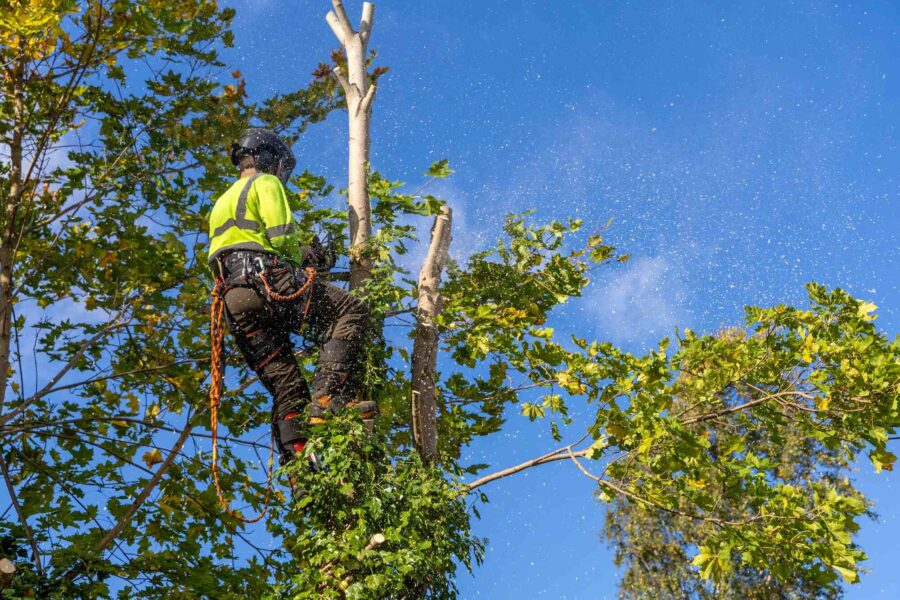
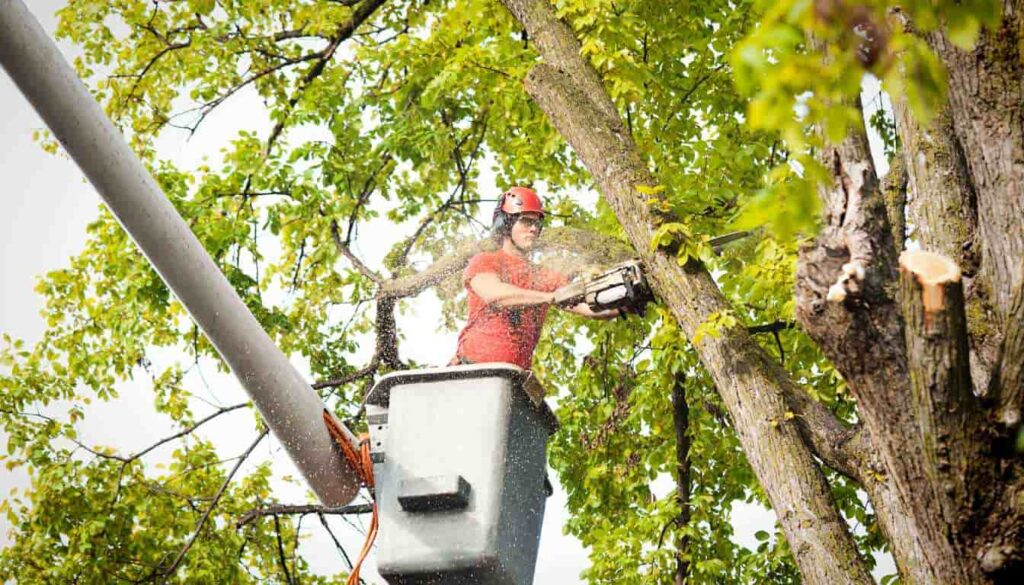
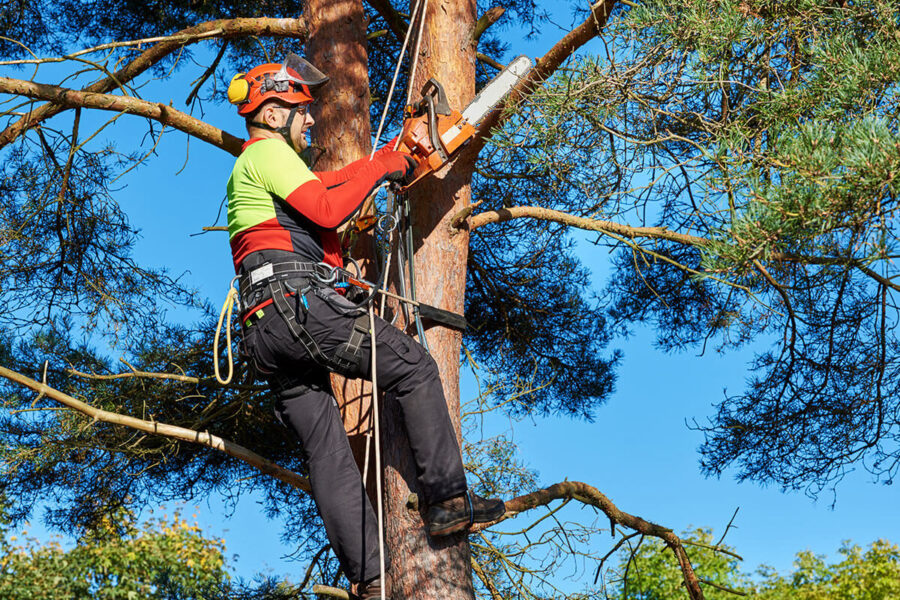
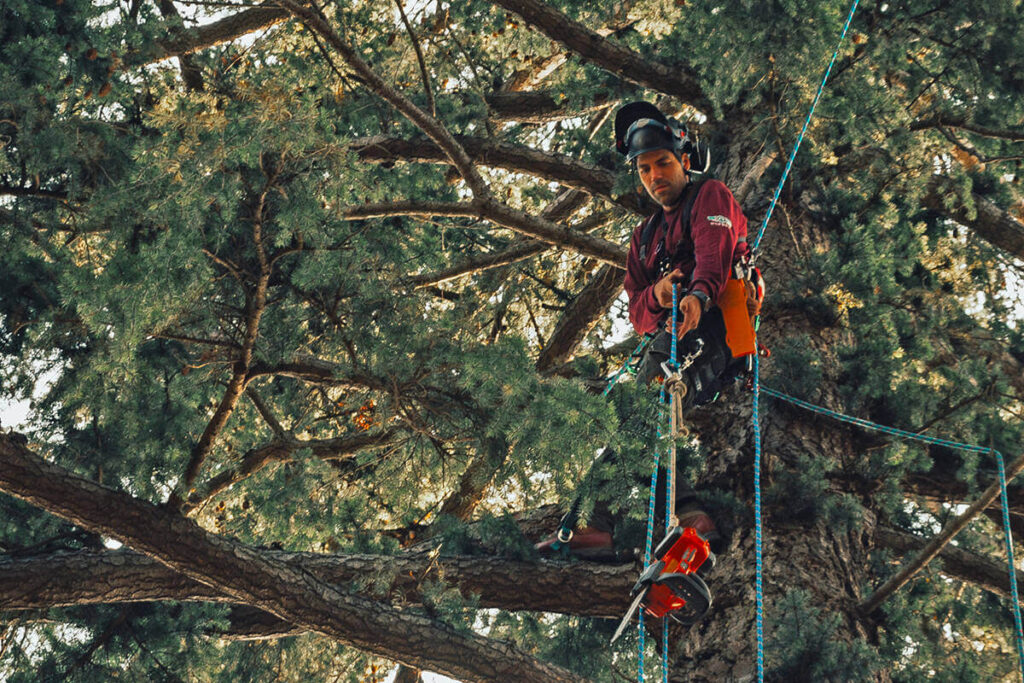
They should call an arborist when work involves heights, heavy limbs, chainsaws, unstable trees, or any branch that could hit a person or property. If the tree shows signs of decay, cracks, root issues, or sudden lean, expert assessment is safer.

They should also get help when pruning might affect neighbours, council rules, or protected trees. A qualified arborist can prune to standards, manage risk, and document the work if approvals are needed.
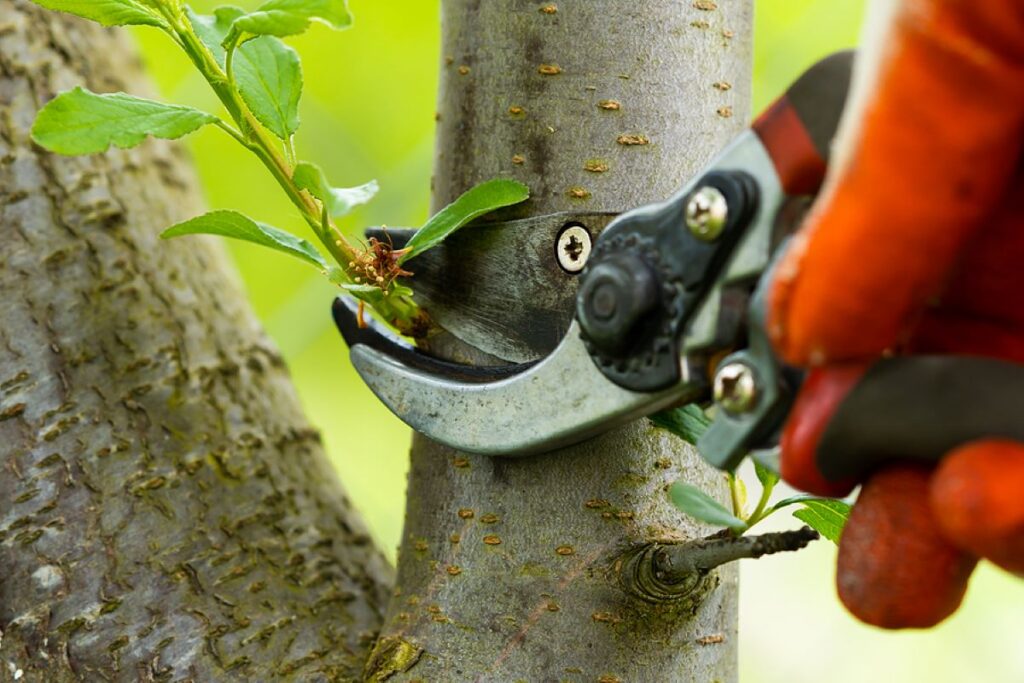
tree pruning tools

What should they ask before hiring a tree pruning service in Sydney?

They should ask what pruning standard the team follows, what the pruning goals are, and how much canopy they plan to remove. A good provider explains cuts in plain terms and avoids vague promises like “lopping it back hard.”

They should also ask for proof of insurance, who will be on-site, how debris is handled, and whether a written scope will be provided. Clear communication up front usually predicts cleaner, safer outcomes.

What are simple aftercare steps once pruning is done?

Trees typically do not need wound paint, and it can sometimes trap moisture and slow natural sealing. The best aftercare is reducing stress: consistent watering during dry spells, mulching correctly, and avoiding root damage.

They should keep mulch off the trunk, maintain a wide mulch ring where possible, and watch for dieback or excessive epicormic shoots. If the tree responds with lots of weak regrowth, the pruning may have been too heavy.

FAQs (Frequently Asked Questions)

What benefits does proper tree pruning provide for trees in Sydney?

Proper tree pruning in Sydney strengthens tree form, reduces the risk of branch failure, improves light and airflow, and keeps trees clear of roofs, powerlines, and walkways. It also removes dead, damaged, diseased, or poorly attached branches and guides growth into a safer structure, promoting long-term health and safety.

When is the best time to prune trees in Sydney for optimal health?

The best time to prune trees in Sydney depends on the species and pruning goals but generally involves planning cuts when trees are not under extreme stress. Routine pruning is safest outside heatwaves and major growth flushes. Storm preparation pruning is done before periods of high wind and heavy rain. Immediate pruning is necessary if there are dead or hanging limbs to ensure safety.

How can I tell if a tree in Sydney needs immediate pruning?

Signs that a tree needs immediate pruning include deadwood in the canopy, cracked limbs, rubbing branches, heavy overhang above roofs or play areas, branches pulling away from the trunk, fungal growth at joints, sudden leaning after wet weather, and dense canopies blocking light and airflow. Any limb that could fall on something important should be pruned promptly.

What are the best practices for making pruning cuts on Sydney trees?

Best practice pruning cuts involve small, purposeful cuts made just outside the branch collar without leaving long stubs or cutting flush to the trunk. This includes removing deadwood, thinning selectively, reducing weight on long limbs, and improving branch spacing. Proper cuts help the tree seal wounds faster and reduce decay risks.

Why is topping a tree considered harmful in Sydney’s urban environment?

Topping creates large wounds that force the tree to produce fast-growing but weakly attached shoots prone to breaking during wind events. It removes too much leaf area causing stress and energy depletion. In Sydney’s conditions, topped trees often develop decay, sunburned limbs, and ongoing maintenance problems that increase costs over time.

When should I call a professional arborist for tree pruning in Sydney?

You should call an arborist when work involves heights, heavy limbs, chainsaws, unstable trees, or branches that could hit people or property. Also seek expert help if the tree shows signs of decay, cracks, root issues, or sudden leaning. Professional arborists handle compliance near powerlines or protected trees and ensure safe pruning with proper documentation.
Tree Pruning

The Cost of Tree Pruning in Sydney: What You Need to Know

How to Save on Tree Pruning Costs

Seasonal Discounts and Offers

Many tree pruning companies in Sydney offer seasonal discounts, particularly during the off-peak months when business may be slower. It can be worthwhile to inquire about any ongoing promotions or offers that could help you save on costs. Keeping an eye on local advertisements and online coupons may uncover significant savings.

Additionally, some companies offer bundled services. For instance, if you require other landscaping services, you may receive a better deal by combining them with tree pruning. This can include services such as hedge trimming, lawn care, and pest control, which not only enhances the overall aesthetic of your property but also ensures that all aspects of your landscaping are well-maintained. By taking advantage of these bundled services, you can streamline your landscaping needs and potentially save a considerable amount of money.

Regular Maintenance to Reduce Costs

One effective way to save on tree pruning cost is to maintain a regular pruning schedule. By doing this, you can avoid larger, more costly jobs in the future. Regular maintenance promotes healthy tree growth, reduces the risk of disease, and helps to keep tree size manageable. Trees that are pruned regularly are less likely to develop structural issues, which can lead to expensive repairs or even tree removal down the line.

Investing in scheduled pruning not only enhances the health and appearance of your trees but also ensures that trees remain in a safe condition throughout their lifespan, thereby saving you money in the long run. Furthermore, regular pruning can improve the overall safety of your property by reducing the risk of falling branches during storms or high winds. This proactive approach not only protects your home and loved ones but can also potentially lower your insurance premiums by demonstrating that you are taking steps to mitigate risks associated with tree hazards. Learn more about how to choose the right arborist for tree pruning.

Understanding Tree Pruning

The Importance of Tree Pruning

Tree pruning is an essential practice for maintaining the health and appearance of your trees. It involves the selective removal of specific parts of a tree, including branches, buds, and roots. Proper pruning enhances tree structure, prevents disease, and encourages fruit and flower production. By promoting healthy growth, you not only improve the aesthetics of your landscape but also increase the longevity of your trees.

In urban areas like Sydney, tree pruning helps to reduce the risk of hazards posed by overgrown branches. An unpruned tree can become a liability, particularly during storms or high winds. By trimming back overhanging branches, you minimize potential damage to property and ensure safety for pedestrians and vehicles. Moreover, regular pruning can improve air circulation and sunlight penetration, which are crucial for the overall health of the tree and surrounding plants. This practice not only contributes to the vitality of the trees themselves but also enhances the beauty of the entire neighborhood, creating a more inviting and serene environment for residents and visitors alike.

Different Types of Tree Pruning

There are several techniques used in tree pruning, each tailored to achieve specific goals. Understanding these methods can help property owners make informed decisions about their trees’ care. Common types of pruning include:

  • Thinning: This technique involves removing select branches throughout the tree to reduce density and improve light penetration.
  • Heading: Also known as topping, this method cuts back the shoots on a branch to promote new growth.
  • Reduction: Reducing involves cutting the tree back to specific branches, thereby maintaining its shape without compromising its health.
  • Deadwooding: This involves removing dead or dying branches to enhance the overall health of the tree.

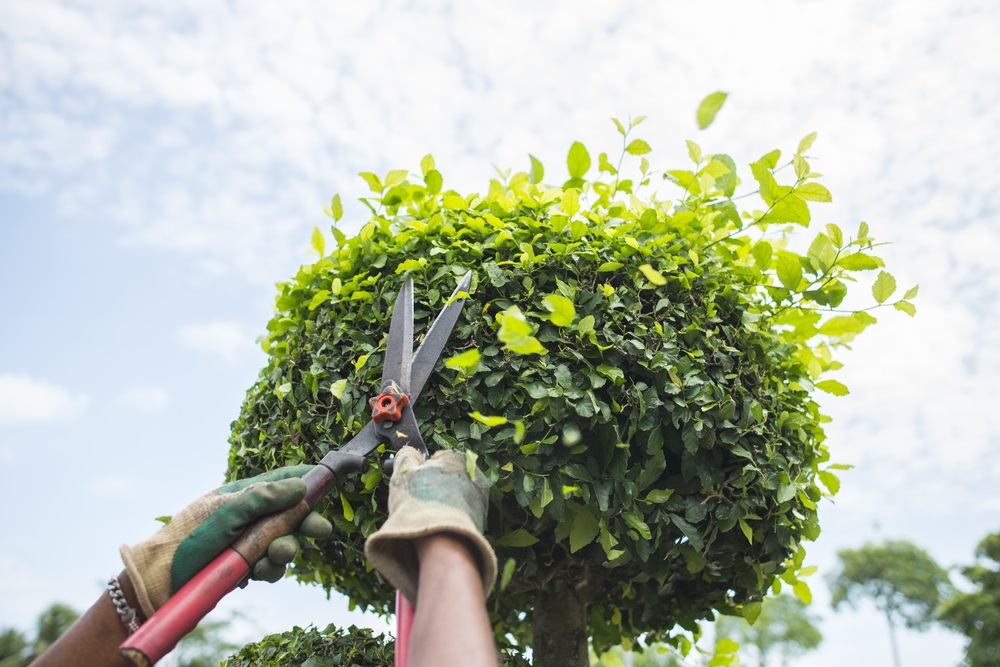
In addition to these techniques, it’s important to consider the timing of pruning. Different species of trees have specific growth cycles, and pruning at the right time can significantly influence their recovery and growth patterns. For example, many flowering trees should be pruned right after they bloom to avoid cutting off next season’s buds. Conversely, trees that bloom in the summer should be pruned in late winter or early spring. Understanding these nuances not only aids in the health of the tree but also maximizes the visual impact of its blooms and foliage throughout the seasons. Furthermore, employing the right tools and techniques is crucial; using clean, sharp tools minimizes damage to the tree and helps prevent the spread of disease, ensuring that your tree remains robust and thriving for years to come.

Tree Pruning

Factors Influencing the Cost of Tree Pruning

Size and Number of Trees

The size of the trees and the number you wish to prune are significant factors affecting the total cost of tree pruning. Large trees require more labor, specialized equipment, and time, which in turn increases the overall price. Additionally, if you have multiple trees that need attention, bulk pricing might be available, but the total expense will still be considerable.

For instance, pruning a single young sapling may only take a short amount of time and effort, whereas a mature tree can take several hours or even a full day to prune properly due to its size and complexity. Furthermore, the type of pruning required—whether it’s crown thinning, crown reduction, or deadwood removal—can also influence the duration and cost. Each technique demands different levels of skill and equipment, which can further complicate the pricing structure.

Tree Species and Condition

Different tree species have varying growth habits and structural characteristics, which influence the methods used for pruning. Some species may require more careful techniques due to their specific growth patterns or susceptibility to disease. Furthermore, assessing the condition of the tree is essential; trees that are diseased or have been previously neglected may require specialized care, resulting in higher costs.

For example, pruning an unhealthy tree often takes longer, and it may be necessary to consult an arborist for an evaluation, adding to the expense. Additionally, certain species, like oak or maple, have specific pruning windows to avoid sap loss or disease transmission, which can further complicate scheduling and increase costs if the work must be done at a particular time of year.

Accessibility and Location

The accessibility of the tree is another significant determinant of cost. Trees located in difficult-to-reach areas, such as those near power lines or steep slopes, require additional safety precautions and equipment. This specialized work can escalate the cost considerably compared to pruning trees in easy-to-access locations, such as backyards or public parks.

Moreover, the proximity of the property to urban centers in Sydney can affect accessibility. Urban trees may require permits for pruning, especially if they are on public land or involve some form of road closure during work. In densely populated areas, the logistics of managing traffic and ensuring public safety can add layers of complexity and cost to the project. Furthermore, the presence of neighboring properties can necessitate additional precautions, such as protective barriers or specialized equipment, to prevent damage or liability issues during the pruning process. You can visit https://issuu.com/hooverhorticulture/docs/the_cost_of_tree_trimming_and_the_factors_that_inf to get more on the cost of tree trimming and the factors that influence it.

Tree Pruning

Average Cost of Tree Pruning in Sydney

Hourly Rates for Tree Pruning

In Sydney, the cost of tree pruning typically varies depending on various factors previously mentioned. On average, you can expect to pay between AUD 50 to AUD 150 per hour for professional tree pruning services. However, this can fluctuate based on the complexity of the job, the skill level of the arborist, and the time of year.

It’s important to note that some companies may have a minimum charge for tree pruning, regardless of the time spent on the job. This ensures that the service provider’s basic overhead and travel costs are covered. Additionally, the season can play a significant role in pricing; for instance, during the spring and summer months, when tree growth is at its peak, demand for pruning services often increases, leading to higher rates. Conversely, winter months may see a decrease in prices as fewer homeowners seek pruning services during the colder weather.

Fixed Price vs. Hourly Rate: Which is Better?

When it comes to deciding between fixed pricing and hourly rates, each option has its advantages. Fixed pricing offers certainty, allowing you to know exactly how much you will pay before the work begins. This can be beneficial if you have a clear understanding of what needs to be done. Furthermore, fixed pricing can also include additional services like debris removal or stump grinding, which can provide added value and convenience for homeowners.

On the other hand, hourly rates may be more cost-effective for simple pruning jobs or when working with smaller trees, as you only pay for the time spent. However, if the job turns out to be more complex, the costs can quickly escalate. It’s also worth considering the experience and qualifications of the arborist; a more skilled professional may work faster and more efficiently, potentially saving you money in the long run. Therefore, when choosing between these pricing structures, it’s crucial to assess the specific needs of your trees and the expertise of the service provider to ensure you make the most informed decision.

Hiring a Professional Tree Pruner: Pros and Cons

Safety and Efficiency Considerations

When considering tree pruning, hiring a professional arborist comes with its own set of pros and cons. On the safety side, professionals are trained to handle heavy equipment and work at heights, minimizing risks that a typical homeowner may face. They understand the specific needs of trees and how to prune them safely without causing damage. This expertise translates to efficient work, ensuring that your trees are pruned correctly and promptly.

However, the downside often includes the cost of hiring professionals. Many homeowners may find professional fees to be prohibitive. In such cases, understanding your skill level and the risks involved is crucial before deciding to opt for DIY pruning. Additionally, it’s important to consider the time commitment involved in learning proper pruning techniques and the potential for costly mistakes that could arise from inexperience.

Assessing the Quality of Service

To ensure you receive quality service when hiring a professional tree pruner, it’s essential to do your research. Look for licensed arborists with positive reviews and experience in tree care. Asking for references or checking affiliations with recognized horticultural organizations can also provide peace of mind regarding the quality of service. Furthermore, it’s beneficial to inquire about the specific techniques they use, as some methods can be more beneficial for the health of your trees than others.

Additionally, don’t hesitate to ask for a detailed estimate that outlines the scope of work and any potential additional costs. This transparency can help you avoid unexpected expenses and ensure that you are getting the best value for your investment. Engaging in a conversation about your trees’ specific needs can also lead to tailored advice that may enhance their health and longevity. By fostering a good relationship with your arborist, you may also gain insights into ongoing tree care practices that can save you money in the long run.

In conclusion, while the cost of tree pruning in Sydney can vary greatly based on several factors, understanding the importance of the practice, making informed choices, and utilizing available resources can help you navigate the complexities of tree care. By keeping these guidelines in mind, you can ensure your trees remain healthy and beautiful while managing your pruning costs effectively.

Tree Pruning Services

Tree Pruning Services Near Me: How to Choose the Right Arborist

Choosing the right arborist for tree pruning services is essential for maintaining the health, safety, and beauty of your trees. With an array of options available, understanding the intricacies of tree pruning and the qualifications of an arborist can empower you to make an informed decision. This article delves into the numerous factors to consider while selecting a skilled professional for tree care.

Understanding the Cost and Value

Costs for tree pruning services can vary widely depending on the complexity of the job and the arborist’s expertise. It’s essential to understand what’s included in the quoted price. In some cases, the lowest quote may not provide the best value.

Consider factors such as the quality of service, the time taken to complete the job, and the overall benefits to your trees. Investing in a reputable and skilled arborist can result in healthier trees and reduced long-term care costs. Additionally, a well-maintained tree can enhance your property’s aesthetic appeal and increase its value, making the initial investment in professional tree care a wise choice for homeowners looking to improve their landscape. You can visit https://analogforestrynetwork.org/the-cost-of-tree-pruning-in-sydney-what-you-need-to-know to get about the cost of tree pruning in Sydney.

Understanding the Importance of Tree Pruning

Tree pruning plays a significant role in maintaining the overall health and vitality of trees. Regular pruning removes dead or diseased branches, allowing for better air circulation and light penetration. This encourages healthier growth and minimizes the risk of pest infestations. Furthermore, pruning can also help in shaping the tree, guiding its growth in a way that is beneficial for both the tree and the surrounding environment. By carefully selecting which branches to prune, you can promote a balanced structure that supports the tree’s natural form.

Moreover, pruning can stimulate new growth and enhance the longevity of your trees. By encouraging a well-structured canopy, pruning ensures that your trees can withstand harsh weather conditions, reducing the chance of breakage during storms. In addition to these benefits, regular pruning can also improve the tree’s resistance to diseases. Healthy trees are more resilient, and by maintaining their structure and health, you can ensure that they thrive for generations to come.

The Role of Tree Pruning in Tree Health

Pruning is not merely about aesthetics; it is a crucial component of tree care. Properly executed pruning promotes healing and helps to prevent decay from setting in. Removing sick or infected branches prevents the spread of pathogens to the rest of the tree. This proactive approach to tree health is essential, especially in urban environments where trees face numerous stressors, such as pollution and limited soil space. By addressing these issues through regular pruning, you can significantly improve the resilience of your trees.

Additionally, frequent monitoring and maintenance through pruning can also identify problems early on, such as pest infestations or nutrient deficiencies. When performed by a qualified professional, these measures extend the life of your trees and contribute to a healthier landscape overall. The expertise of an arborist can also provide insights into the specific needs of different tree species, ensuring that each tree receives the care it requires to thrive in its unique environment.

Aesthetic and Safety Benefits of Tree Pruning

Aesthetically, tree pruning shapes your trees and contributes to the beauty of your property. A well-pruned tree can enhance the visual appeal of your landscape design, adding value to your home. Beyond mere appearance, proper pruning can also create a more inviting outdoor space, allowing for better views and more light to filter through, which can benefit surrounding plants and flowers. Click here to get more about the importance of tree pruning.

From a safety perspective, removing branches that hang over roofs or are near power lines is critical. Pruning mitigates risks associated with falling branches and prevents potential hazards during storms or high winds. Furthermore, maintaining tree height and spread can prevent obstruction of pathways and roadways, ensuring safe passage for pedestrians and vehicles alike. By prioritizing safety through regular pruning, you not only protect your property but also contribute to the overall safety of your community.

Tree Pruning Services

What is an Arborist and Why Do You Need One?

An arborist is a trained tree care professional who specializes in planting, caring for, and maintaining trees. Unlike landscapers, arborists have specific education and experience in the biology and care of trees, making them the most qualified individuals for tree pruning tasks.

Hiring an arborist is crucial, as they possess the knowledge required to assess tree health, diagnose problems, and execute proper pruning techniques. This expertise not only enhances tree health but also protects your property and investments. Trees are not just aesthetic features; they play a vital role in our ecosystem by providing oxygen, improving air quality, and supporting wildlife. Therefore, ensuring their health is essential for both environmental and economic reasons.

The Expertise of a Certified Arborist

A certified arborist has undergone extensive training and education, receiving certification from a reputable organization that validates their skills. These professionals are equipped with the latest techniques in tree care, ensuring that they can handle various tree species and health issues effectively. They understand the specific needs of different trees, including their growth patterns, nutrient requirements, and susceptibility to pests and diseases.

Furthermore, certified arborists stay abreast of industry best practices and new findings, which means they can offer the most effective solutions tailored to your specific situation. This ongoing education allows them to implement innovative techniques such as integrated pest management, which minimizes the use of chemicals while effectively controlling tree pests. Their comprehensive approach ensures that your trees not only survive but thrive in their environment.

The Risks of DIY Tree Pruning

While it may be tempting to attempt tree pruning as a DIY project, the risks often outweigh the benefits. Improper pruning can lead to severe damage, including stunted growth, disease susceptibility, and even tree death. Additionally, incorrect cuts can create entry points for pests and diseases, further jeopardizing the health of your trees and potentially spreading issues to other plants in your landscape.

Moreover, DIY pruning exposes you to potential hazards, especially when using ladders or if you’re working with large and heavy branches. The risk of falling or injuring yourself while trying to manage heavy tools can be significant. Engaging a professional arborist removes these risks while ensuring your trees receive the care they need. With their specialized equipment and safety training, arborists can perform pruning safely and efficiently, allowing you to enjoy the beauty of your trees without the associated dangers of DIY efforts.

Key Factors to Consider When Choosing an Arborist

Not all arborists are created equal. When choosing the right one for your tree pruning needs, it’s essential to evaluate several factors. These include their credentials, experience, and pricing structure.

Checking for Certification and Insurance

Before hiring an arborist, confirm that they are certified by a recognized organization, such as the International Society of Arboriculture (ISA). Certification ensures that the arborist has the necessary skills and knowledge to perform tree care professionally.

In addition to certification, verify that the arborist carries adequate insurance. This protects you from liability should an accident occur during the pruning process. An insured arborist shields both their workers and your property from unforeseen circumstances. Furthermore, a reputable arborist will be transparent about their insurance coverage, providing you with peace of mind as you engage their services.

Evaluating Experience and Reputation

Experience speaks volumes in the tree care industry. Look for an arborist who has years of hands-on experience and a strong reputation within your community. Reading online reviews and asking for references can provide insight into an arborist’s track record.

An established arborist with a solid reputation is likely to offer quality services consistently. Moreover, they will typically be more knowledgeable about various tree species and the unique needs associated with them. This expertise is especially crucial when dealing with specific issues such as pest infestations or diseases that may affect your trees, as a seasoned arborist can identify and address these problems effectively.

Tree Pruning Services

Questions to Ask a Potential Arborist

Before finalizing your decision, take the time to interview potential arborists. Ask specific questions to gauge their expertise and approach to tree pruning.

Inquiring About Their Pruning Techniques

Different arborists may employ various techniques based on the type and health of the tree. Inquiring about their methods can provide valuable insight into how they plan to care for your trees during pruning.

Additionally, ensure their techniques align with best practices for tree health, such as making clean cuts and avoiding excessive pruning that can stress the tree.

Discussing Tree Health Assessment

It’s vital to understand how the arborist assesses tree health before proceeding with pruning. A competent arborist should conduct a thorough inspection to identify disease, pest infestations, or structural issues that may require attention beyond pruning.

Discussing potential findings and how they will be addressed can give you confidence in the arborist’s comprehensive approach to tree care.

Understanding Their Cleanup Process

Tree pruning can create a significant amount of debris, which can be unsightly if not handled properly. Ask potential arborists about their cleanup processes: do they haul away branches and leaves, or will you be expected to handle the debris afterwards?

A professional arborist should have a clear plan for cleanup, ensuring your property is left tidy and free from hazards once the job is complete.

Making the Final Decision: Choosing Your Arborist

After evaluating your options and gathering information from potential arborists, it’s time to make your final decision. Several considerations can guide you in this process.

Weighing the Pros and Cons

Make a pros and cons list for each of the arborists you are considering. Take into account their qualifications, experience, cost, and any other factors that might influence your decision. A comprehensive overview will help you visualize the best choice for your needs.

Additionally, look for any red flags during your discussions. Lack of transparency or inability to answer your questions may indicate an arborist who is not a good fit.

Trusting Your Gut Feeling

Ultimately, trust your instincts when choosing an arborist. Your comfort level with their communication and professionalism should play a significant role in your decision. If you feel uncertain or uneasy about a particular arborist, it may be best to continue your search.

A positive client-arborist relationship is crucial for effective communication and successful tree care over time.

Ensuring Long-Term Tree Care

Once you’ve chosen an arborist, it’s essential to discuss future care for your trees. Regular check-ups and assessments can help ensure the ongoing health of your trees.

A good arborist will not only provide excellent pruning services but will also guide you on best practices for maintaining tree health, pest prevention strategies, and when to schedule future pruning. This proactive approach supports the long-term well-being of your trees and enhances your landscape for years to come.

In conclusion, selecting the right arborist for tree pruning services is a vital investment in the health and beauty of your trees. By understanding the importance of pruning, evaluating qualifications, and asking the right questions, you can find a qualified professional who meets your specific needs.

Powered by WordPress & Theme by Anders Norén