

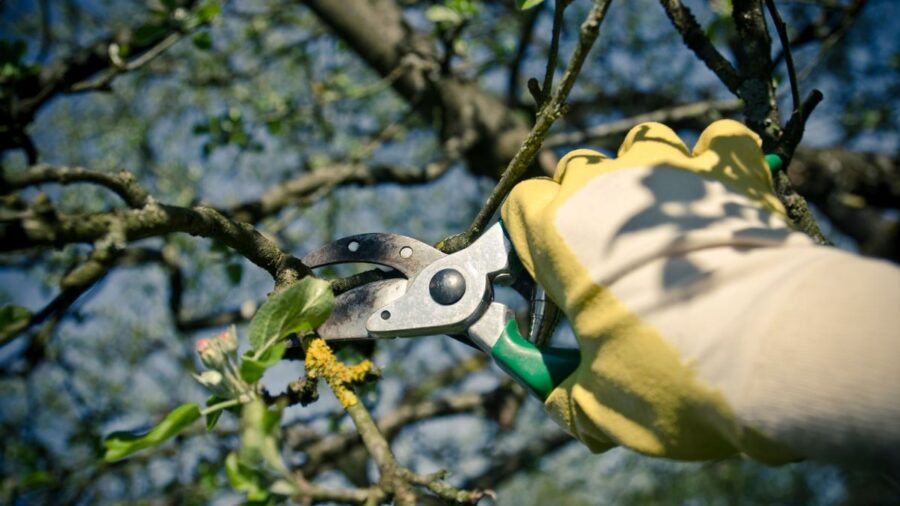
Tree pruning is not just “cutting branches.” Done well, it strengthens form, reduces failure risk, improves light and airflow, and keeps trees clear of roofs, powerlines, and walkways. Done poorly, it can trigger decay, weak regrowth, and long-term instability.
What does proper tree pruning in Sydney actually achieve?
Proper pruning with the right tree pruning tools reduces risk while keeping the tree healthy. It removes dead, damaged, diseased, or poorly attached branches and guides growth into a safer structure.
Using tree pruning tools also improves clearance and visibility around driveways, paths, signs, and buildings. In many cases, it prevents costly future work by correcting problems early, when cuts are smaller and easier for the tree to seal.
When is the best time to prune trees in Sydney?
The best time depends on the species and the goal, but most routine pruning is safest when trees are not under extreme stress. They generally respond best when cuts are planned, minimal, and timed to avoid heatwaves and major growth flushes.
Storm season preparation often happens before periods of high wind and heavy rain. If there are dead or hanging limbs, timing becomes immediate, because safety overrides ideal seasons.
How can they tell if a tree needs pruning right now?
They should look for clear risk and health signals. Deadwood in the canopy, cracked limbs, rubbing branches, and heavy overhang above targets like roofs or play areas are common warning signs.
Other cues include branches pulling away from the trunk, fungal growth at joints, sudden leaning after wet weather, and dense canopies blocking light and airflow. If a limb could hit something important if it fell, it is usually time to act.
Which pruning cuts are considered best practice?
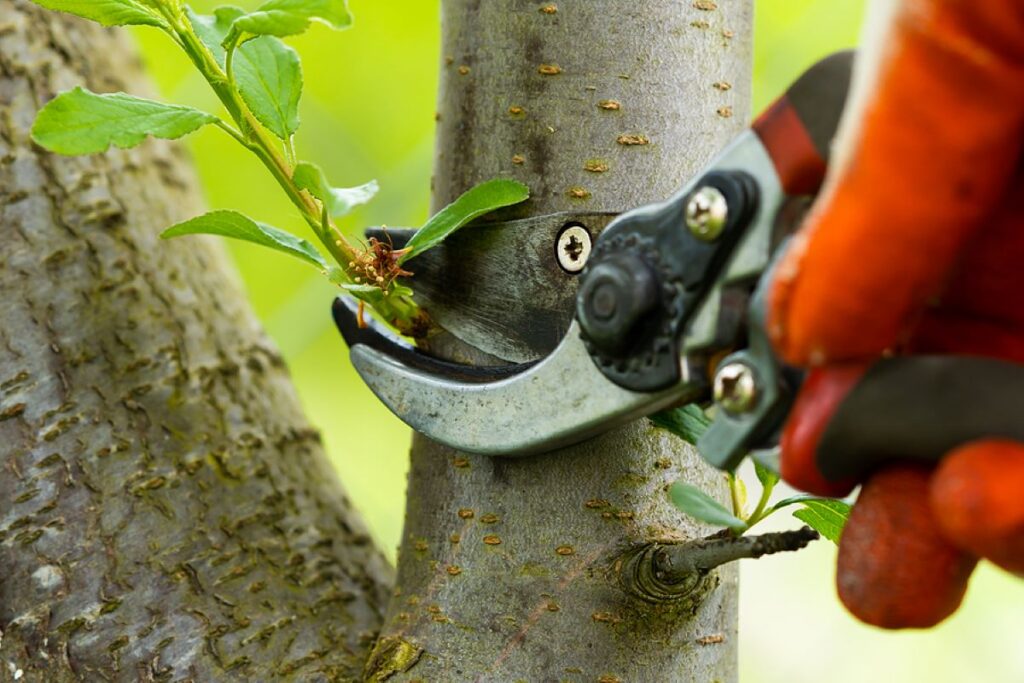
Best practice focuses on small, purposeful cuts that respect the tree’s natural structure. That usually means removing deadwood, thinning selectively, reducing weight on long limbs, and improving branch spacing.
Cuts should be made just outside the branch collar, not flush to the trunk and not leaving long stubs. That helps the tree seal the wound faster and reduces the chance of decay moving into the main stem.
Why is topping a tree a bad idea?
Topping creates large wounds and forces the tree to respond with fast, weakly attached shoots. Those shoots often break later, especially in wind, which increases risk rather than reducing it.
It also removes too much leaf area, starving the tree and stressing its energy reserves. In Sydney’s conditions, topped trees commonly develop decay, sunburned limbs, and ongoing maintenance problems that cost more over time.
How much can be safely removed without harming the tree?
A common rule is to avoid removing more than about 20 to 30 percent of the canopy in one session, and less is often better. Smaller cuts are easier for a tree to compartmentalise and recover from.
If they want a major size change, staged pruning over multiple visits is usually safer. That approach reduces shock and helps the tree maintain stability while it adapts.
What are the most important safety considerations in Sydney suburbs?
Targets matter. Branches over homes, carports, fences, footpaths, and neighbouring yards raise the stakes, especially before storms. They should treat any cracked or hanging limb as urgent.
Clearance near powerlines is a major concern. Work near electrical infrastructure should only be handled by appropriately qualified professionals, because the risks and compliance requirements are serious. Check out more about Updates to land clearing rules.
How should they prune young trees for long-term strength?
Young-tree pruning is about training structure early. They should aim for a clear central leader where appropriate, strong branch unions, and good spacing between scaffold limbs.
Removing competing leaders, crossing branches, and narrow-angled attachments early prevents bigger cuts later. The best outcome is a tree that grows into a stable shape without needing aggressive pruning in adulthood.
How do they handle large limbs without causing bark tearing?
Large limbs should be removed with controlled, multi-step cutting. A common method is the three-cut technique: an undercut, a top cut to drop the limb, then a final cut near the collar.
This prevents the limb’s weight from ripping bark down the trunk. Clean, planned cuts reduce wounding and improve the tree’s ability to seal the area. Click here to learn more about Arborist Sydney: Expert Tree Care Services for Healthy and Safe Landscapes.
When should they call an arborist instead of pruning themselves?
They should call an arborist when work involves heights, heavy limbs, chainsaws, unstable trees, or any branch that could hit a person or property. If the tree shows signs of decay, cracks, root issues, or sudden lean, expert assessment is safer.
They should also get help when pruning might affect neighbours, council rules, or protected trees. A qualified arborist can prune to standards, manage risk, and document the work if approvals are needed.
What should they ask before hiring a tree pruning service in Sydney?
They should ask what pruning standard the team follows, what the pruning goals are, and how much canopy they plan to remove. A good provider explains cuts in plain terms and avoids vague promises like “lopping it back hard.”
They should also ask for proof of insurance, who will be on-site, how debris is handled, and whether a written scope will be provided. Clear communication up front usually predicts cleaner, safer outcomes.
What are simple aftercare steps once pruning is done?
Trees typically do not need wound paint, and it can sometimes trap moisture and slow natural sealing. The best aftercare is reducing stress: consistent watering during dry spells, mulching correctly, and avoiding root damage.
They should keep mulch off the trunk, maintain a wide mulch ring where possible, and watch for dieback or excessive epicormic shoots. If the tree responds with lots of weak regrowth, the pruning may have been too heavy.
FAQs (Frequently Asked Questions)
What benefits does proper tree pruning provide for trees in Sydney?
Proper tree pruning in Sydney strengthens tree form, reduces the risk of branch failure, improves light and airflow, and keeps trees clear of roofs, powerlines, and walkways. It also removes dead, damaged, diseased, or poorly attached branches and guides growth into a safer structure, promoting long-term health and safety.
When is the best time to prune trees in Sydney for optimal health?
The best time to prune trees in Sydney depends on the species and pruning goals but generally involves planning cuts when trees are not under extreme stress. Routine pruning is safest outside heatwaves and major growth flushes. Storm preparation pruning is done before periods of high wind and heavy rain. Immediate pruning is necessary if there are dead or hanging limbs to ensure safety.
How can I tell if a tree in Sydney needs immediate pruning?
Signs that a tree needs immediate pruning include deadwood in the canopy, cracked limbs, rubbing branches, heavy overhang above roofs or play areas, branches pulling away from the trunk, fungal growth at joints, sudden leaning after wet weather, and dense canopies blocking light and airflow. Any limb that could fall on something important should be pruned promptly.
What are the best practices for making pruning cuts on Sydney trees?
Best practice pruning cuts involve small, purposeful cuts made just outside the branch collar without leaving long stubs or cutting flush to the trunk. This includes removing deadwood, thinning selectively, reducing weight on long limbs, and improving branch spacing. Proper cuts help the tree seal wounds faster and reduce decay risks.
Why is topping a tree considered harmful in Sydney’s urban environment?
Topping creates large wounds that force the tree to produce fast-growing but weakly attached shoots prone to breaking during wind events. It removes too much leaf area causing stress and energy depletion. In Sydney’s conditions, topped trees often develop decay, sunburned limbs, and ongoing maintenance problems that increase costs over time.
When should I call a professional arborist for tree pruning in Sydney?
You should call an arborist when work involves heights, heavy limbs, chainsaws, unstable trees, or branches that could hit people or property. Also seek expert help if the tree shows signs of decay, cracks, root issues, or sudden leaning. Professional arborists handle compliance near powerlines or protected trees and ensure safe pruning with proper documentation.