

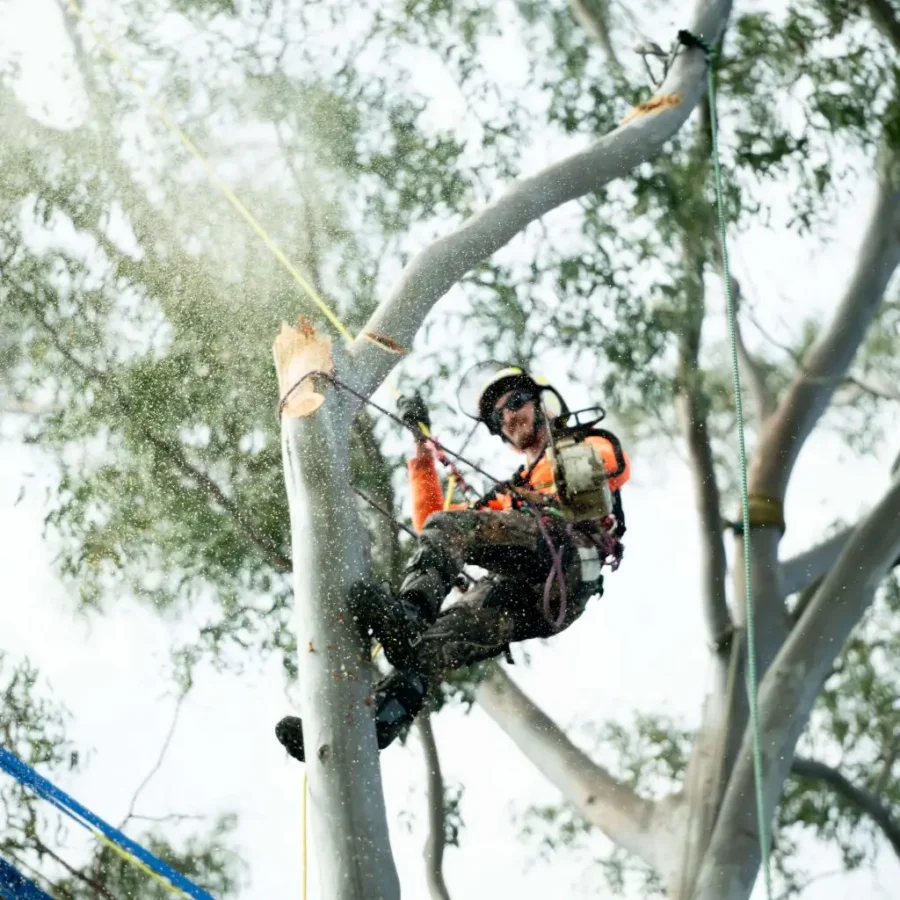
These questions suit common Australian jobs, from tight suburban blocks in Sydney and Melbourne to larger properties around Brisbane, Adelaide, Perth, Hobart, Canberra, and regional areas.
What exact tree work do they recommend, and why?
They should explain the problem in plain language and match the fix to the goal: safety, clearance, tree health, or compliance. When comparing tree services near me, homeowners should question any provider that jumps straight to removal without discussing pruning or risk-reduction options.
A good team will describe outcomes and trade-offs, such as canopy reduction versus selective pruning, and how each option affects the tree long term.
Are they qualified and trained for arboriculture in Australia?
They should be able to outline who is doing the work and what training they have. In Australia, many reputable operators employ qualified arborists or staff trained in safe chainsaw and climbing practices.
If someone searching tree services near me is offered a “cash job” with vague credentials, it can signal shortcuts. Credentials matter most for complex removals, large limbs over structures, or trees near powerlines.
Do they carry current public liability and workers compensation insurance?
They should confirm they hold public liability insurance and, where required, workers compensation cover. This is one of the fastest ways to separate professionals from risky operators.
If a limb damages a neighbour’s roof or a worker is injured, insurance can be the difference between a resolved claim and a costly legal mess. Anyone quoting tree services near me should provide evidence on request.
Will they do a proper site inspection before quoting?
They should inspect access, ground slope, proximity to homes, fences, sheds, pools, and garages, and any hazards such as termites or deadwood. Photos can help for a rough estimate, but a firm quote usually needs eyes on the job.
A proper inspection also confirms whether machinery can enter a backyard and whether manual rigging is required. That detail affects price, timing, and safety.
Is the quote itemised, and what exactly is included?
They should clarify whether the price includes climbing, rigging, traffic control, green waste removal, stump grinding, and a full clean-up. Vague quotes often become disputes later.
For people comparing tree services near me, an itemised quote makes comparisons fair. It also highlights optional extras, like mulching on-site or taking firewood away.
Who will be responsible for council permits and compliance?
They should ask where the tree is and what type it is, because many Australian councils regulate pruning and removals, especially for protected species or significant trees. Some areas also have rules for heritage overlays and vegetation protection.
A reliable provider will explain the client’s responsibilities and what they can help with, such as documentation or arborist reports. Anyone promising “no one checks” is not protecting the client.
How do they manage trees near powerlines and service cables?
They should identify overhead lines, NBN cables, and service drops early, then explain safe working distances. In Australia, vegetation near powerlines is a high-risk category and often requires coordination with the local distributor or specialist clearance crews.
If someone found via tree services near me seems casual about powerlines, the safest response is to pause the job. Powerline incidents can be fatal and can also disrupt the street.
What safety measures will they use on the day?
They should outline PPE, exclusion zones, rigging plans, spotters, and how they keep pedestrians and neighbours safe. On small suburban blocks, the most important safety feature is often the setup, not the saw.
They should also explain how they will protect property, such as using lowering ropes, mats for lawns, and controlled drop zones. Professional tree services near me should talk safety first, not last.
How will they protect nearby structures, gardens, and fences?
They should explain whether limbs will be lowered in sections, whether they will use rigging points, and how they will prevent swing damage into gutters, windows, pergolas, and pool fences. This is especially relevant in Australian suburbs with tight side access.
They should also clarify what happens to garden beds and irrigation. A careful plan reduces damage and reduces post-job costs.
What is their approach to pruning standards and tree health?
They should describe pruning that maintains structure and reduces risk, not pruning that simply “looks neat.” Poor cuts can lead to decay, sunburn on exposed limbs, and weak regrowth.
If they recommend topping, it is worth asking why, because topping is widely regarded as harmful for many species. People searching tree services near me should listen for terms like selective pruning, deadwood removal, clearance pruning, and structural pruning.
Can they identify the tree species and any likely issues?
They should be able to identify common Australian and ornamental species and flag likely problems, such as included bark, pest damage, fungal fruiting bodies, or storm cracks. Even if they are not doing a full arborist assessment, basic identification guides smarter decisions.
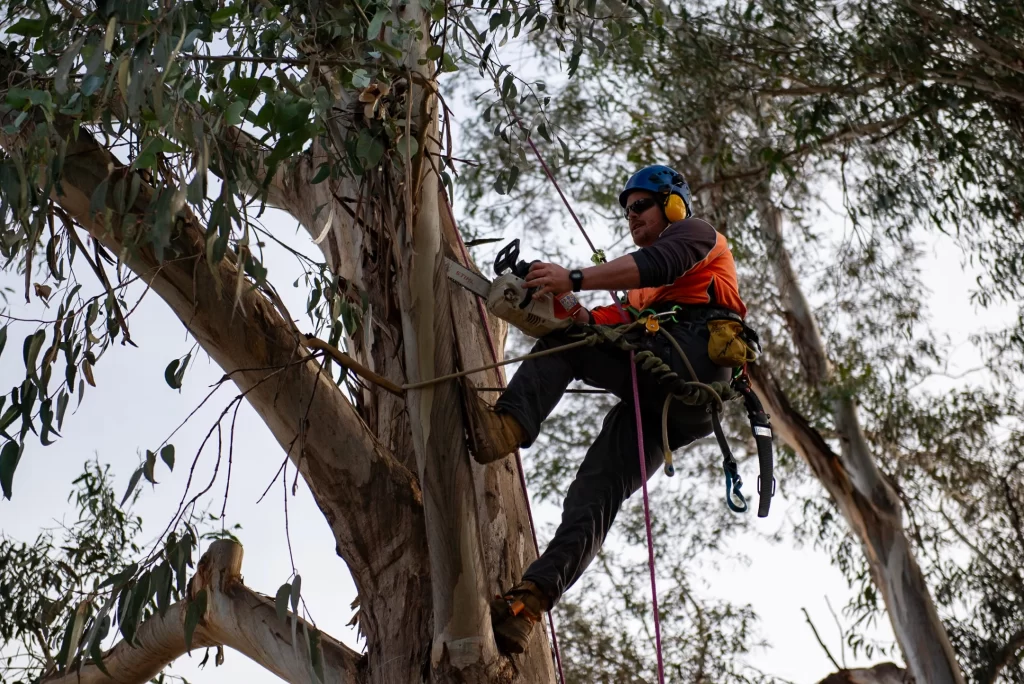
Species matters for drop behaviour, regrowth rates, and seasonality, so arborist qualifications Sydney professionals consider these factors when assessing whether a council permit is likely.
What equipment will they use, and is it suitable for the site?
They should explain whether they will use climbing gear, elevated work platforms, chippers, stump grinders, or cranes. The “best” equipment depends on access and risk.
For many tree services near me jobs, the difference between a smooth job and a messy one is whether the team brought the right chipper size or planned for tight access. If the backyard only fits a narrow machine, they should say so upfront.
How will they handle waste: removal, mulching, or leaving timber on-site?
They should clarify whether all green waste is removed, chipped and taken away, or chipped and left as mulch. They should also confirm if they will cut timber to manageable rounds if the owner wants to keep it for firewood, where that is appropriate.
A clear waste plan matters in Australian councils with green bin limits, tip fees, and rules around dumping. Comparing tree services near me is easier when waste is defined.
Do they grind stumps, and how deep will they go?
They should explain stump grinding depth and what happens to the grindings. Many clients assume stump removal is included, but it is often a separate line item.
They should also mention access limits, underground services, and whether they can backfill with soil. Anyone booking tree services near me should decide early if the goal is re-turfing, replanting, or simply reducing trip hazards.
What will the timeline look like, and how do they handle weather?
They should estimate duration, start windows, and whether the job needs multiple days. Australian weather can change quickly, and wind can make climbing and rigging unsafe.
They should describe how they reschedule for storms and what notice they provide. For urgent work after a cyclone, storm front, or summer thunderstorm, tree services near me should prioritise making the site safe first.
Can they provide recent local references or photos of similar jobs?
They should be able to show recent work in similar settings, like small inner-city yards, acreage, or coastal blocks with wind exposure. References help confirm reliability, clean-up standards, and communication.
If they cannot point to any comparable projects, it does not automatically mean they are poor. It does mean the client should ask more questions before choosing tree services near me.
What happens if there is hidden decay or the scope changes mid-job?
They should explain how they handle surprises such as hollow trunks, termite damage, unstable root plates, or inaccessible rigging points. The best approach is agreeing on how variations are quoted and approved.
Clear variation processes reduce conflict and keep budgets controlled. This is particularly important where a job near a house becomes more technical than expected.
Do they offer an arborist report if it is needed for disputes or approvals?
They should clarify whether they can provide a written arborist report or whether they work with a consulting arborist. Reports are often needed for council applications, insurance claims, or neighbour disputes about tree risk and overhang.
For owners searching tree services near me, this matters when a tree is borderline: not obviously dangerous, but still causing damage or concern.
How do they handle neighbour communication and boundary issues?
They should advise on access needs, boundary fences, and whether any limbs cross into neighbouring property. In Australia, neighbour relationships can complicate tree work even when the job is legal.
A professional team will encourage polite notice and clear expectations about noise, parking, and debris. It can prevent complaints and delays.
What aftercare do they recommend once the job is done?
They should explain whether the tree needs follow-up pruning, pest monitoring, or watering, especially after a heavy reduction. In many Australian climates, heat and drought stress can hit hard after canopy changes.
If the job involves removal, they might suggest suitable replacement planting for the location and soil. Thoughtful aftercare is a good sign they take the work seriously.
How should they be compared fairly before booking?
They should be compared on scope, safety, insurance, compliance awareness, and clean-up standards, not just price. The cheapest quote can become the most expensive if it causes property damage or council trouble.
When comparing tree services near me, the best choice is usually the team that explains the plan clearly, documents the scope, and treats safety as non-negotiable.
What is the simplest way to choose the right provider quickly?
They should be chosen by asking a short list of high-signal questions and looking for direct, confident answers. If they are transparent about permits, insurance, inclusions, and risks, it usually indicates a professional operation.
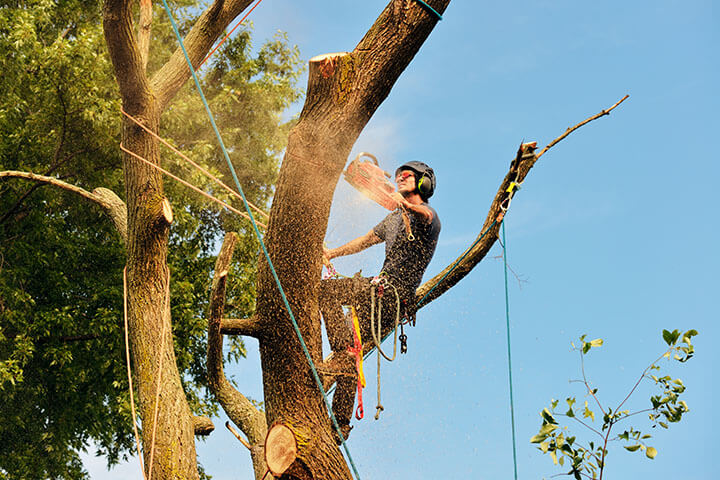
For most households, the right tree services near me will feel organised from the first call, and the quote will read like a plan rather than a guess.
FAQs (Frequently Asked Questions)
What specific tree services should I expect when searching for ‘tree services near me’ in Australia?
When searching for ‘tree services near me’ in Australia, you should expect a professional team to recommend specific work tailored to your needs, such as pruning for safety, clearance, tree health, or compliance. They should explain the problem clearly and discuss options like canopy reduction versus selective pruning, ensuring the solution aligns with your goals and the long-term health of the tree.
How can I verify if a tree service provider is qualified and insured in Australia?
A reputable Australian tree service provider will employ qualified arborists or trained staff familiar with safe chainsaw and climbing practices. They should readily provide evidence of current public liability and workers compensation insurance upon request. Avoid ‘cash jobs’ with vague credentials, especially for complex removals or work near powerlines, as these can signal unsafe shortcuts.
Why is a proper site inspection important before receiving a quote for tree services?
A proper site inspection allows the tree service team to assess access points, ground slope, proximity to structures like homes and pools, and any hazards such as termites or deadwood. This ensures an accurate, itemised quote and helps determine if machinery can enter the site or if manual rigging is necessary—factors that influence price, timing, and safety.
What should be included in an itemised quote from a tree service company?
An itemised quote should clearly state whether costs cover climbing, rigging, traffic control, green waste removal, stump grinding, and full clean-up. It should also highlight optional extras like on-site mulching or firewood removal. Transparent quotes help avoid disputes later and make it easier to compare different ‘tree services near me’ providers fairly.
How do professional tree services manage safety around powerlines and nearby structures?
Professionals identify overhead powerlines, NBN cables, and service drops early in the process and explain safe working distances. In Australia, working near powerlines often requires coordination with local distributors or specialist crews due to high risks. They also use PPE, exclusion zones, rigging plans, spotters, and property protection methods like lowering ropes and mats to ensure safety during the job.
What role do council permits play in Australian tree services?
Many Australian councils regulate pruning and removals—especially for protected species or significant trees—through permits. A reliable provider will clarify your responsibilities regarding permits and compliance and assist with documentation or arborist reports if needed. Beware of anyone promising ‘no one checks,’ as this can expose you to legal risks.
<script type="application/ld+json">
{
  "@context": "https://schema.org",
  "@type": "BlogPosting",
  "mainEntityOfPage": {
    "@type": "WebPage",
    "@id": "https://analogforestrynetwork.org/questions-worth-asking-tree-services-near-me-first/"
  },
  "headline": "Questions Worth Asking Tree Services Near Me First",
  "image": [
    "https://analogforestrynetwork.org/wp-content/uploads/2026/08/1_Hero-5-1024x684-1.webp",
    "https://analogforestrynetwork.org/wp-content/uploads/2026/08/Ashgrove-Tree-Services-22-1024x1024-1.webp",
    "https://analogforestrynetwork.org/wp-content/uploads/2026/08/tree-removal-service.jpg"
  ],
  "author": {
    "@type": "",
    "name": "John Parer",
    "url": "https://analogforestrynetwork.org/author/admin/"
  },
  "publisher": {
    "@type": "Organization",
    "name": "Analog Forestry Network",
    "logo": {
      "@type": "ImageObject",
      "url": "https://analogforestrynetwork.org/wp-content/uploads/2024/10/logo-Analog-Forestry-Network.png"
    }
  },
  "datePublished": ""
}
</script>